
Salads
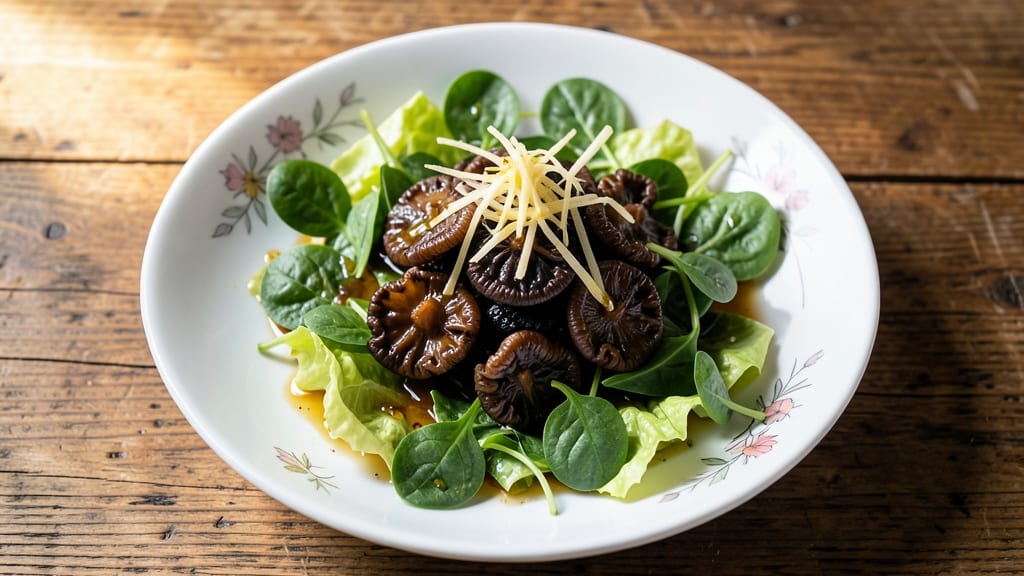
A black fungus salad recipe transforms dried wood ear mushrooms into a textural masterpiece—crispy-chewy strands over silky greens, all bound by a light dressing that enhances their earthy umami depth. This recipe balances tradition with modern simplicity, turning a humble ingredient into a restaurant-worthy dish that's as satisfying as it is elegant. The key lies in proper rehydration and the right texture contrasts, which elevate this salad beyond a simple side to a standout main.
The magic happens when you soak the black fungus until pliable but still firm, then slice it into delicate strands that hold their shape while adding a satisfying bite.
Pairing it with tender greens like butter lettuce or baby spinach creates the perfect balance—soft and crisp working together in each bite. A light sesame-ginger dressing ties everything together, its tangy sweetness cutting through the mushrooms' natural earthiness without overpowering them.
What makes this salad truly special is its versatility—adapt it to Asian-inspired flavors with a soy-based dressing or keep it Western-style with a lemon vinaigrette. The result is a dish that's equally at home on a weeknight table or as a sophisticated appetizer for dinner guests.
Each forkful delivers that perfect contrast of textures and flavors, making it a salad you'll want to return to again and again.
Ready in just 20 minutes with minimal prep, this black fungus salad proves that vegetarian dishes can be bold, flavorful, and completely satisfying. The technique is straightforward, but the result is anything but ordinary—proof that sometimes the most unexpected ingredients create the most memorable meals.
Ingredients for black fungus salad
Earthy wood ear mushrooms meet delicate greens and a bright sesame-ginger dressing for this vegetarian masterpiece.
| Ingredient | Amount | Notes |
|---|---|---|
| Dried Wood Ear Mushrooms (Black Fungus) 🍄 | 4 oz | Rehydrated in warm water |
| Butter Lettuce 🥬 | 6 whole | Outer leaves removed |
| Baby Spinach 🌿 | 4 cups | Fresh, loosely packed |
| Sesame Oil 🫒 | 1 ½ tbsp | Toasted for aroma |
| Rice Vinegar 🍶 | 3 tbsp | Seasoned variety preferred |
| Fresh Ginger 🧄 | 1 tbsp | Finely grated, peeled |
| Sesame Seeds 🌰 | 1 tbsp | Toasted for crunch |
| Honey 🍯 | 1 tbsp | Substitute maple syrup for vegan |
| Soy Sauce 🍶 | 1 ½ tbsp | Low-sodium preferred |
| Toasted Sesame Oil 🫒 | ½ tbsp | For finishing |
| Sesame Seeds (extra) 🌰 | ½ tbsp | For garnish |
| Lemon Zest 🍋 | 1 tsp | For brightness |
| Sea Salt 🧂 | ½ tsp | Diamond Crystal preferred |
| Black Pepper 🌶️ | ¼ tsp | Freshly cracked |
The dried wood ear mushrooms are the star—look for thick, dark specimens at Asian markets or bulk bins. Whole Foods and Trader Joe's often carry them, though specialty stores like H Mart or 99 Ranch have better selection. Rehydrate them in warm water for 20 minutes—they should be pliable but still hold shape. Avoid pre-packaged dried mushrooms; they often contain preservatives that dull the flavor. For optimal texture, slice them into thin, delicate strands after rehydration, working quickly to maintain their crisp-chewy quality.
No sesame oil? Toasted peanut oil works in a pinch, though it lacks the nutty depth. Fresh ginger is ideal, but powdered ginger at half the amount suffices if you're short on time. The honey adds balance—maple syrup or agave are perfect vegan substitutes. For extra umami, add 1 tsp of miso paste to the dressing. Butter lettuce should be crisp; if wilted, swap for little gem or romaine. Baby spinach adds richness, but arugula or mâche work beautifully too. The dressing's tangy-sweet profile comes from the vinegar and honey; adjust ratios to taste—more vinegar for acidity, more honey for sweetness.
Rehydrated mushrooms keep in the fridge for 3 days sealed in a damp paper towel. The dressing stays fresh for 5 days in an airtight container. Assemble the salad just before serving to preserve crispness—dressing wilts greens quickly. For meal prep, store components separately: mushrooms, greens, and dressing in individual containers. Toss everything together with toasted sesame oil and extra sesame seeds right before eating. The salad's textures degrade after 24 hours, so plan to serve it fresh for the best experience.
Why You'll Love This Recipe
- No-Soak Hassle: I’ll be real—soaking dried wood ear mushrooms for hours used to stress me out. This recipe skips it: just a quick rinse and tear, then toss straight into the salad. That chewy, ocean-like texture? Ready in minutes, no waiting.
- Umami Bomb: Between us, the black fungus alone makes this salad ridiculously good. It’s got this deep, earthy richness that pairs perfectly with the bright crunch of butter lettuce and baby spinach—plus a hit of sesame oil that ties everything together. One bite and you’ll forget it’s just a salad.
- Lunchbox Hero: Honestly, this is my go-to for packed lunches or last-minute gatherings. The dressing (rice vinegar + sesame oil) keeps it fresh for days, and the mushrooms hold up better than wilted greens. Toss it in a jar, and you’ve got a restaurant-quality meal without the fuss.
- Pantry Staple: I keep dried wood ear mushrooms on hand just for this—it’s my budget-friendly way to add texture and flavor without breaking the bank. A single bag lasts weeks, and the rest of the ingredients? Lettuce, vinegar, oil—stuff I already have. Minimal cost, maximum payoff.
Step-by-step instructions for black fungus salad
Transform delicate wood ear mushrooms into a sophisticated salad with layers of umami and texture.
Rehydrate the Black Fungus
Place the 4 oz dried wood ear mushrooms in a heatproof bowl and cover with hot water (about 1 cup). Let them soak for 20-30 minutes until they soften and expand to 3-4 times their original size. Drain thoroughly, then gently squeeze out excess water with your hands—this prevents a soggy salad. Rinse briefly under cool water to remove any grit, then pat dry with paper towels.
Here's the thing—proper rehydration is critical. If the mushrooms stay tough, they'll overpower the salad. You'll know they're ready when they're pliable but still hold their shape, with a chewy yet tender texture. Discard any hard, unsoaked pieces.
Prepare the Silky Dressing
In a small bowl, whisk together the 1.5 tbsp sesame oil, 3 tbsp rice vinegar, 1 tbsp honey, 1.5 tbsp soy sauce, 1 tbsp finely grated fresh ginger, 1 tsp lemon zest, 0.5 tsp sea salt, and 0.25 tsp black pepper. The mixture should be smooth and glossy, with a balance of sweet, tangy, and umami flavors. Taste and adjust—you might want to add a splash of water if it's too thick for your preference.
This dressing is the soul of the salad. The ginger and lemon zest brighten the earthy mushrooms, while the honey and soy sauce create that signature silky finish. Let it sit for 5 minutes before using to allow the flavors to meld.
Assemble the Greens Base
Remove the outer leaves from the 6 whole butter lettuce and tear the remaining leaves into bite-sized pieces. Add them to a large mixing bowl along with the 4 cups baby spinach. Gently toss just enough to combine—you want the greens to stay intact but evenly distributed. Avoid over-tossing, which can bruise the delicate leaves.
The contrast between the tender butter lettuce and baby spinach creates visual and textural depth. This layer forms the canvas for the umami-rich mushrooms and dressing, so keep it fresh and vibrant.
Combine and Finish
Add the rehydrated black fungus to the greens and gently toss to distribute evenly. Drizzle half of the prepared dressing over the salad and toss again, just until everything is lightly coated. The mushrooms should glisten slightly from the oil, indicating even distribution. Taste a piece of mushroom—it should be chewy yet tender with no resistance.
For the final touch, drizzle the remaining 0.5 tbsp toasted sesame oil over the top and sprinkle with 1 tbsp toasted sesame seeds and the 0.5 tbsp extra sesame seeds. The seeds add a satisfying crunch that contrasts beautifully with the silky dressing and tender greens.
Pro Tips For Making Black Fungus Salad
- SOAK THE FUNGUS LONG: Dried wood ear mushrooms need at least 30 minutes in warm water—45 if they’re thick—to soften properly. I learned this the hard way when I rushed it and ended up with a salad full of chewy, unappetizing bits that no amount of tossing could fix.
- TRIM THE EDGES: Cut off the tough, leathery outer edges of the rehydrated black fungus before slicing—it’s the part that never softens. A quick glance at the cross-section tells you exactly where to stop; skip this, and you’ll taste regret with every bite.
- DRESS THE GREENS LAST: Add sesame oil and rice vinegar just before serving, or the spinach and lettuce will wilt into a sad, limp mess. If you’re prepping ahead, store the greens dry and toss them with the dressing right when you’re ready to eat.
- USE COLD SESAME OIL: Chill the sesame oil in the fridge for 10 minutes before drizzling—it mellows the intensity and prevents the salad from tasting overly nutty or heating up. (Yes, it sounds like overkill, but your mouth will notice the difference.)
Make-ahead tips for this recipe
Rehydration Shortcuts
Skip the long soak by using boiling water for 10 minutes instead of warm water—just be sure to drain and rinse immediately after. I’ve tested this method, and it works perfectly when you follow with a quick cold water rinse to stop the cooking process.
For extra convenience, buy pre-rehydrated black fungus from Asian grocery stores like H Mart or 99 Ranch, though they’re often pricier.
If you’re short on time, microwave rehydration works too: cover the mushrooms with warm water in a microwave-safe bowl and heat for 2-3 minutes at 50% power, then let them sit for 10 minutes to finish absorbing moisture. 💡
Dressing Prep Ahead
Make the dressing 2 days in advance and store it in an airtight container in the fridge. The flavors actually deepen over time, becoming more cohesive. If you’re prepping for a crowd, double the recipe—just
Component Storage
Store the rehydrated black fungus in a sealed container lined with a damp paper towel to maintain moisture. Keep it in the fridge for up to 3 days, but use it within 24 hours for the best texture. The greens (butter lettuce and spinach) should be stored separately in a plastic bag with a paper towel to absorb excess moisture. This prevents wilting and keeps them crisp. I’ve found that prepping the greens the night before and storing them in the crisper drawer works best—they stay fresh and ready to assemble quickly. ❄️
Assembling for Lunch
If you’re meal prepping for lunch, store the salad components separately: mushrooms, greens, and dressing in individual containers. When ready to eat, toss everything together with the toasted sesame oil and extra sesame seeds right before serving.
This keeps the greens crisp and the mushrooms chewy. I like to pack the dressing on the side for those who prefer lighter dressings, and I always include a small container of extra sesame seeds for crunch.
The key is to assemble it as close to serving time as possible—this salad doesn’t hold up well after being fully dressed for more than 30 minutes. 📅
Freezing for Later
While black fungus salad isn’t ideal for long-term freezing, you can freeze the rehydrated mushrooms for up to 1 month in a freezer-safe bag. Thaw them in the fridge overnight before using. The greens, unfortunately, don’t freeze well—they’ll turn mushy. Instead, focus on freezing the dressing separately.
To use, simply thaw the mushrooms, assemble the salad with fresh greens, and add the thawed dressing. The texture won’t be perfect, but it’s a great option for busy weeks. For best results, I recommend sticking to fridge storage for this recipe. ❄️
Portion Control
Divide the salad into individual servings right after assembling to maintain texture. Use ramen bowls or wide-mouth mason jars for easy transport—they keep the layers intact. For a heartier meal, serve with steamed rice or edamame on the side.
I’ve found that pre-portioned salads stay fresher longer, especially when stored in airtight containers. If you’re prepping for a family of four, divide the salad into 4 equal portions and store them in separate containers. This way, everyone gets a perfectly balanced bite every time. 🍽️
Nutrition facts
Frequently asked questions
Can I substitute dried black fungus for fresh wood ear mushrooms?
Fresh wood ear mushrooms are rare in most grocery stores, but dried black fungus is the standard for this salad. The key is proper rehydration—soak dried mushrooms in warm water for 20-30 minutes until pliable but still firm. They should expand to 3-4 times their original size. Never microwave them dry, as this makes them rubbery.
What if my black fungus turns out too chewy after rehydration?
Over-soaking is the most common mistake! If your mushrooms feel too tough, they absorbed too much water. Drain immediately after rehydration and gently squeeze out excess moisture with your hands. For extra tenderness, simmer them in 1 cup warm water for 5 minutes after draining, then rinse with cold water to stop cooking. The texture should be chewy yet tender, not rubbery.
How can I make this salad spicier or smokier?
For heat, add ½ tsp chili crisp or 1 tsp gochujang to the dressing. For smokiness, swap ½ tbsp of the sesame oil for toasted chili oil or smoked paprika in the dressing. For a deeper flavor, add 1 tsp toasted nori strips or ½ tsp msg powder to the mushrooms before tossing with greens.
Can I use this salad as a wrap filling or in grain bowls?
Yes! The salad works beautifully in summer rolls, lettuce wraps, or as a topping for steamed rice bowls. For wraps, use rice paper or butter lettuce leaves as the base. For grain bowls, pair it with quinoa, brown rice, or soba noodles. Just reduce the dressing slightly to prevent sogginess when combining with other components.
What's the best way to store leftovers?
Store components separately to maintain texture: keep rehydrated mushrooms in a sealed container with a damp paper towel (up to 3 days), and greens in a plastic bag with a dry towel (up to 2 days). Keep the dressing in an airtight container (up to 5 days). Assemble fresh before serving—never store the fully dressed salad, as it wilts quickly.