
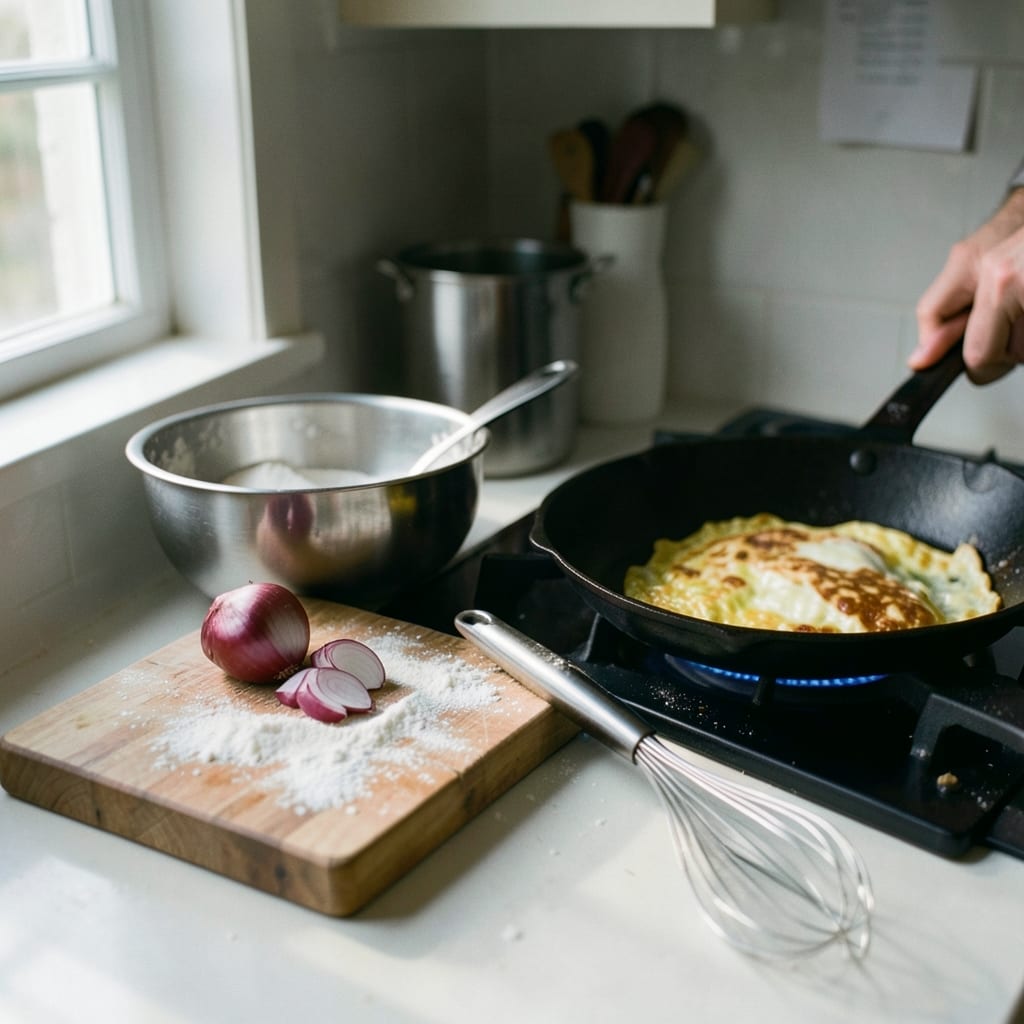
It started with one dish that kept failing
It was a Tuesday in late October, the kind of day when the air smells like woodsmoke and the last of the heirloom tomatoes still cling to their vines.
I was making a simple kale and apple salad—thinly sliced kale, crisp apples, toasted walnuts, and a dressing of olive oil, apple cider vinegar, and a touch of honey.
The recipe had come from a cookbook I’d borrowed from a friend, and I’d made it before, so I knew the theory.
What I didn’t know was that my kale had been harvested too early, the apples had sat in the fridge for a week past their prime, and the walnuts I’d toasted were still damp from the bag.
The first batch turned out like a soggy, bitter mess. The kale wilted the second it hit the bowl, the apples turned mealy, and the walnuts—despite my best efforts—tasted like they’d been cooked in their own oil. I ate a forkful and nearly gagged. Not ‘needs more salt’ bad.
Not ‘would be better with bacon’ bad. This was the kind of bad that made you question why you bothered with salads at all.
I tried again that night. This time, I blanched the kale first, cut the apples just before serving, and dried the walnuts properly in a low oven. The texture improved—no more wilt—but the flavor was still off. The dressing tasted flat, like the vinegar had lost its bite.
My mother walked in, saw the bowl, and said, ‘You’re overthinking it.’ I knew she was right. But I also knew that if I couldn’t get this one dish right, I’d never trust myself to write about food.
Nine tries before it worked
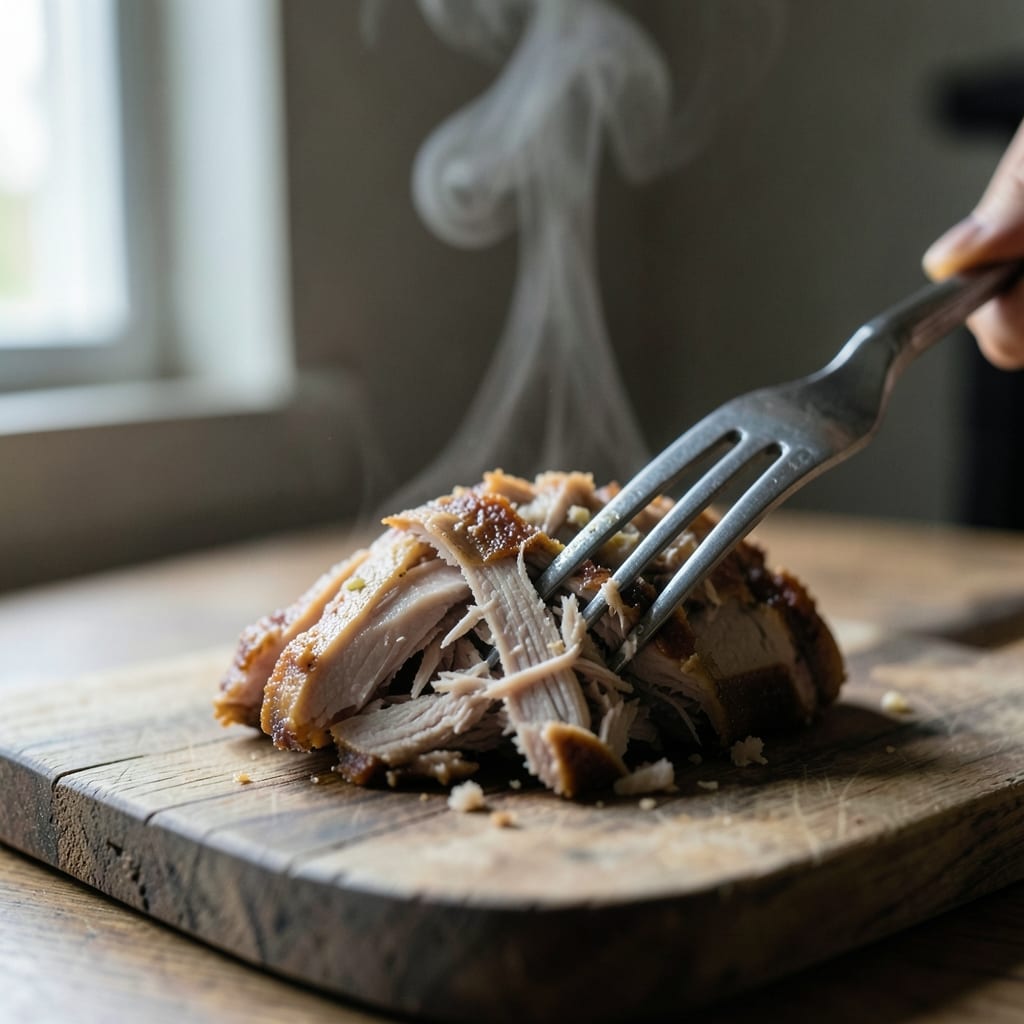
The next morning, I started over. I bought new kale—older leaves, deeper green—and let the apples sit at room temperature for an hour before slicing. The dressing got a splash of Dijon mustard, a pinch of black pepper, and a squeeze of lemon to brighten it up.
The second attempt was better: the kale stayed crisp, the apples had bite, and the walnuts crunched properly. But the flavors were still uneven.
The honey in the dressing overwhelmed the apples, and the mustard made the whole thing taste like it needed a glass of milk to cut through it.
By the fifth try, I’d ruined a pan. I’d been impatient, cranked the heat too high, and the walnuts burned to a bitter black. The sixth attempt was closer—almost—but the apples had turned brown at the edges, and the kale, despite my best efforts, lost its snap.
Then, on the seventh try, I realised I’d been over-slicing the apples. Thicker slices held their shape, and the texture of the salad finally felt right. But the dressing was still missing something.
It took nine tries before I got it: a sharp red apple, a handful of kale massaged just enough to soften without killing its crunch, walnuts toasted to a golden brown and cooled completely, and a dressing that balanced sweet, tang, and fat without overpowering.
The last version wasn’t just edible—it was good. Not perfect, but *right*. And that’s when I understood the rule: if a dish doesn’t work the first time, it’s not a failure. It’s data.
The mind behind these pages

I’m Angelo Faulkner, and I’ve always believed food is the best way to bring people together—whether it’s a weeknight dinner with my family or a weekend brunch with friends.
My kitchen has seen more than its share of happy accidents (and a few disasters), but every recipe here is tested to make sure it actually works.
I started *Salad Recipes Club* to share meals that are fresh, flavorful, and worth the effort—because good food should be simple, satisfying, and full of heart.
The kind of person who remakes a salad nine times is the kind who also leaves the dish soap running in the sink for hours, convinced they’ll remember to rinse it later.
My mother used to say I had ‘the patience of a saint and the stubbornness of a mule.’ She was right about the stubbornness. The patience? That’s the part I’m still working on.
I spend my free time restoring old furniture—sanding down chipped paint, stripping varnish, and pretending I know what I’m doing. It’s the same kind of work as cooking: you think you’ve got it right, and then you realise you’ve been doing it wrong the whole time.
That kale and apple salad? It’s still one of my favorites. Not because it’s fancy, but because it’s the one that taught me the hardest lesson: the best meals aren’t the ones that turn out perfect the first time. They’re the ones that *improve* because you refused to give up.
Everything here is written the way that dish was
Every recipe on *Salad Recipes Club* follows the same rule: it’s made at least seven times, adjusted each time, and only then written down. The notes from the first six attempts—what went wrong, what almost worked, what needed more time—are still in the margins of my notebooks.
Some dishes take months to get right. The dressing for that kale salad? I tweaked it three more times after the ninth try, just to be sure.
We don’t just write the final version. We write the *process*: the mistakes, the midpoints, the ‘almost there’ moments. Because that’s where the real learning happens. And we never publish a recipe until it’s been tested in different kitchens, with different ingredients, and at different times of year.
A salad that works in October might fall apart in July, and we’ll say so.
Months after a recipe is published, we go back and update it. Maybe the walnuts need toasting for five minutes instead of six. Maybe the kale should be massaged with a little olive oil first. Those changes don’t get buried in an update log.
They’re rewritten into the recipe, because the point isn’t to document perfection—it’s to document *truth*.
What that means for you
You’ll find no shortcuts here. No ‘quick hacks’ or ‘foolproof methods’—just real food, made the way it should be: with patience, attention, and a willingness to admit when something isn’t quite right. You’ll also find no pretension. If a dish is complicated, we’ll tell you.
If it’s simple, we’ll make sure you know why that’s the right way.
What you *won’t* find are recipes that haven’t been tested, or steps that haven’t been double-checked, or ingredients that sound good on paper but don’t work in practice.
Every bowl of salad, every glass of cocktail, every loaf of bread here has been made, remade, and remade again—just like that first dish. And if you ever have a question, a suggestion, or a failure of your own, we’d love to hear it.
Send us your best (and worst) cooking stories—the dishes that worked, the ones that didn’t, and the lessons you learned along the way. We’re especially curious about the recipes that took nine tries to get right.
If you’ve got a question or a story to share, head to the contact page. We’d love to hear from you.
The recipes are grouped by category: Appetizers, Beverages, Breakfast & Brunch, Desserts, Main Courses and Reviews.