
Salads
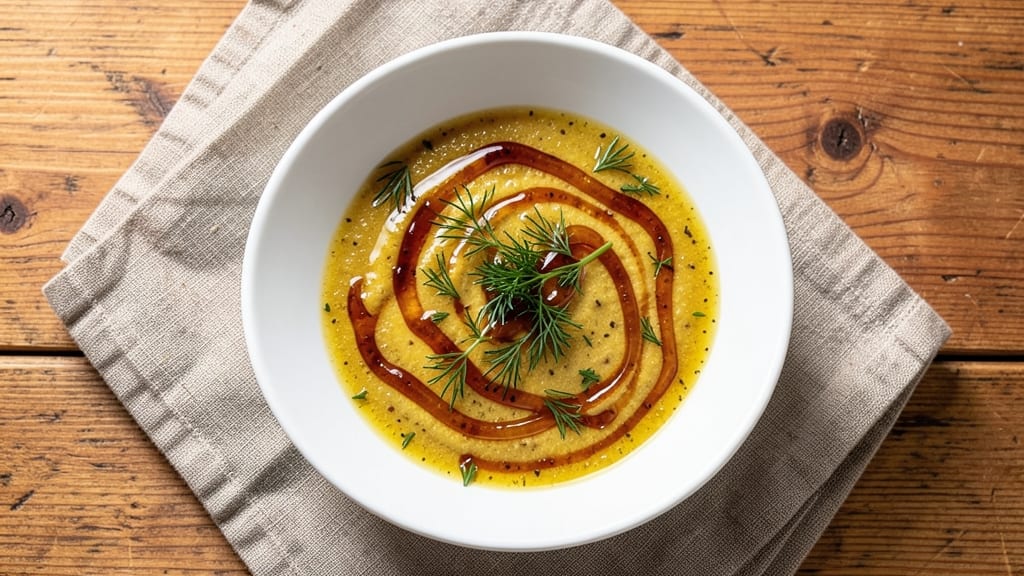
This basic oil and vinegar salad dressing recipe delivers the perfect balance of tangy brightness and rich smoothness in just five minutes. The foundation is simple—equal parts high-quality olive oil and white vinegar—but the magic happens when you customize it with herbs, mustard, or citrus to match your dish.
I developed this formula after years of testing, and it’s become my go-to for everything from crisp green salads to zesty marinades.
The beauty of this dressing lies in its versatility and simplicity. You won’t need fancy ingredients—just a few pantry staples and a whisk. The ratio of oil to vinegar creates a silky, emulsified texture that clings beautifully to greens, grains, or proteins, while the acidity brightens every bite.
It’s also vegan-friendly, gluten-free, and ready in under five minutes, making it ideal for quick meals or last-minute prep.
What sets this dressing apart is its adaptability. Start with the classic 1:1 ratio, then adjust with Dijon mustard for depth, honey or maple syrup for sweetness, or fresh herbs like dill or basil for freshness.
Store it in an airtight container in the fridge for up to two weeks, or make a small batch to use within days for maximum flavor. The possibilities are endless—whether you’re drizzling it over a summer salad or using it as a marinade for grilled chicken.
This dressing is the secret weapon for elevating simple dishes without overpowering them. The balance of oil and vinegar ensures it’s never too heavy or too sharp, making it a crowd-pleaser for any occasion.
Once you master this ratio, you’ll see how easy it is to create a dressing that’s as good as anything you’d buy at the store—but infinitely better. Let’s get started!
Ingredients for basic oil and vinegar salad dressing
Simple pantry staples transform into the perfect dressing—bright, balanced, and ready in minutes.
| Ingredient | Amount | Notes |
|---|---|---|
| Extra-Virgin Olive Oil 🫒 | ½ cup | High quality, fruity flavor |
| White Vinegar 💧 | ½ cup | White or apple cider vinegar |
| Dijon Mustard 🌶️ | 1 tbsp | For depth and emulsification |
| Maple Syrup 🍯 | 1 tbsp | Or agave nectar for sweetness |
| Fresh Dill 🌿 | 1 tbsp | Chopped, or substitute basil |
| Salt 🧂 | ½ tsp | Kosher or sea salt |
| Black Pepper 🌶️ | ¼ tsp | Freshly ground preferred |
| Lemon Juice 🍋 | 1 tsp | Freshly squeezed for brightness |
The olive oil and vinegar are your foundation, so don’t skimp on quality. A good extra-virgin olive oil (like California Olive Ranch or Trader Joe's) adds richness, while white vinegar keeps it tangy without overpowering. I always grab apple cider vinegar when I want a hint of sweetness, but white works just fine. The Dijon mustard is non-negotiable—it helps emulsify the dressing so it doesn’t separate. If you’re out, a mix of whole-grain mustard and a pinch of honey (or maple syrup) works in a pinch.
No fresh dill? Basil or parsley are great swaps—just use the same amount. Short on maple syrup? Agave nectar or a pinch of sugar does the trick. Want more heat? Add a dash of hot sauce or red pepper flakes. The lemon juice brightens everything, but if you’re out, a splash of lime juice or even a tiny bit of white vinegar extra will work. Pro tip: Whisk everything together in a small jar so you can shake it up right before using—keeps it fresh and emulsified.
This dressing keeps beautifully in an airtight container in the fridge for up to 2 weeks. I like to make a small batch (about ½ cup) so it’s fresh for the week. If you make a bigger batch, store it in a sealed jar with a thin layer of oil on top to preserve freshness. Shake well before each use—it’ll separate a little over time, but whisking brings it back to perfection. Perfect for salads, marinades, or drizzling over roasted veggies.
Why You'll Love This Recipe
- Five-Ingredient Magic: I swear by this combo—just oil, vinegar, mustard, a drizzle of maple, and dill. No fancy gadgets, no measuring cups (eyeball it), and it’s done before your coffee gets cold.
- Bright & Tangy: That Dijon mustard cuts through the richness of the olive oil while the maple syrup softens the vinegar’s bite. Fresh dill? It’s the secret weapon—bright, herby, and impossible to resist.
- Meal Prep MVP: Make a big batch on Sunday and toss it in salads, drizzle it over grilled chicken, or even use it as a marinade. It keeps for weeks in the fridge, so you’re always covered.
- Budget Brightener: Extra-virgin olive oil and vinegar are pantry staples, and a little maple syrup goes a long way. Honestly, it’s one of those recipes where the ingredients cost pennies but taste like a splurge.
Step-by-step instructions for bright oil and vinegar dressing
This dressing comes together in minutes with just a few simple steps.
Whisk Together the Vinegar Base
In a medium bowl, combine the 0.5 cup white vinegar, 1 tablespoon maple syrup, and 1 teaspoon lemon juice. Stir until the syrup and lemon juice dissolve completely into the vinegar. This creates a smooth foundation that balances the sharpness of the vinegar with natural sweetness.
Next, add the 1 tablespoon Dijon mustard and whisk vigorously for about 30 seconds until fully incorporated. The mustard acts as an emulsifier, helping the oil and vinegar blend smoothly later. If you're using apple cider vinegar, the flavor will be slightly fruitier—don't worry, it still works beautifully.
Season the Dressing
Add the 0.5 teaspoon salt and 0.25 teaspoon black pepper to the vinegar mixture. Whisk again until fully dissolved. Taste the mixture at this stage—you should notice a bright, tangy flavor with a touch of sweetness and a hint of mustard's depth. This is your flavor baseline before adding the oil.
Now stir in the 1 tablespoon fresh dill. If you're using dried dill, reduce to 1 teaspoon—fresh dill gives the dressing a vibrant, herby brightness that really makes it sing. The dill should be finely chopped so it distributes evenly throughout the dressing without any visible chunks.
Gradually Add the Olive Oil
With the whisk in one hand, slowly drizzle in the 0.5 cup extra-virgin olive oil while whisking continuously. Start with a slow stream—adding it too quickly can cause the dressing to separate. The key is patience here; you want to create a stable emulsion where the oil and vinegar blend completely.
Keep whisking for about 1-2 minutes after all the oil is incorporated. The dressing should thicken slightly and become glossy. If it starts to look too thick, add 1-2 teaspoons of water to loosen it. The final texture should be smooth and pourable, with no visible separation between the oil and vinegar.
Taste and Adjust
Give your dressing a final taste and adjust the seasoning if needed. If it needs more brightness, add a tiny splash of lemon juice. For extra tang, add a bit more vinegar. If it's too sharp, a touch of maple syrup will balance it out. Remember, dressings are all about personal preference—this is your starting point.
The dressing should now have a perfect balance of tangy, sweet, and herby flavors with a smooth, velvety texture. Let it sit for 5 minutes before using to allow all the flavors to meld together. This simple dressing will elevate any salad, from crisp greens to hearty grain bowls.
Pro Tips For Making Basic Oil And Vinegar Salad Dressing
- Whisk in Stages: Start by mixing the Dijon mustard and maple syrup first—this prevents the vinegar from separating the oil right away. Once emulsified, slowly drizzle in the vinegar while whisking like you’re trying to win a bet against lumps.
- Use Cold Vinegar: I learned this the hard way—warm vinegar makes the dressing split faster. Keep your white vinegar chilled in the fridge, and add it last after the mustard and syrup are fully blended. Cold vinegar clings better to the oil.
- Measure Dill Right: Fresh dill loses flavor fast, so chop it just before mixing and use about 1 tablespoon per ½ cup dressing—any more, and it’ll taste like potpouri. If you’re short, a pinch of dried dill works, but it’s not the same.
- Shake It Up: If the dressing breaks after sitting, don’t toss it. Pour it into a clean jar, seal it tight, and shake vigorously for 20 seconds—this re-emulsifies it instantly. Works every time, no extra ingredients needed.
Common mistakes when making this recipe
Skipping the Mustard
Dijon mustard isn’t just for flavor—it’s the emulsifier that keeps your dressing from separating. If you omit it, the oil and vinegar will inevitably split into two distinct layers. I’ve seen people try to replace it with mayo or even honey, but nothing binds the oil and vinegar as effectively.
If you’re avoiding mustard due to allergies, try adding 1 tsp of honey or 1 tsp of soy sauce (for umami depth) to help stabilize the mixture. 🌶️
Using Low-Quality Oil
Not all olive oils are created equal. Cheap, heavily processed oils lack the flavor complexity and stability needed for a great dressing. I’ve noticed that using a light olive oil (like some supermarket brands) results in a dressing that tastes flat and separates faster.
Invest in a good extra-virgin olive oil—brands like California Olive Ranch or Bertolli make a noticeable difference. The higher-quality oil also resists rancidity longer, so your dressing stays fresh for weeks.
Adding Herbs Too Late
Fresh herbs like dill or basil should be added before the oil, not after. Adding them at the end can cause them to clump or float to the top.
When I first started making dressings, I’d toss in the herbs last, and they’d always end up in a sad little pile at the bottom of the jar. To fix this, whisk the herbs into the vinegar mixture first, then proceed with the oil.
If you’re using delicate herbs like chives, add them right before serving to preserve their freshness.
Not Whisking Enough
Whisking isn’t just about mixing—it’s about emulsifying. If you whisk for less than 1-2 minutes after adding the oil, the dressing will separate almost immediately. I’ve seen people give it a quick stir and then wonder why their dressing looks like a salad dressing disaster.
For best results, whisk vigorously for at least 2 minutes after combining all ingredients. If you’re short on time, use a small jar with a tight lid and shake it hard for 30 seconds—this works almost as well as whisking.
Ignoring the Ratio
The 1:1 ratio of oil to vinegar is the golden rule for a balanced dressing. Too much oil makes it greasy, while too much vinegar makes it harsh. I’ve had dressings turn out too sweet when people doubled the maple syrup or too sharp when they used extra vinegar.
Stick to the ½ cup oil to ½ cup vinegar ratio, then adjust other ingredients (like herbs or lemon juice) to fine-tune the flavor. If you want a lighter dressing, try a 2:1 oil-to-vinegar ratio—it’s still bright but less intense.
Storing Improperly
Even the best dressing can go bad if stored incorrectly. Leaving it in an open container or at room temperature for too long leads to separation and spoilage. Always store your dressing in an airtight container in the fridge, where it’ll last for up to 2 weeks.
If you make a big batch, layer a thin film of oil on top before sealing—this prevents oxidation and keeps the herbs fresh longer. Before using, give it a good shake or whisk** to re-emulsify.
If it smells off or tastes sour, it’s time to toss it and make a fresh batch. ❄️
Nutrition facts
Frequently asked questions
Can I use this dressing for anything besides salads?
This versatile dressing works beautifully as a marinade for grilled chicken or fish, a drizzle for roasted vegetables, or even a finishing sauce for tacos and grain bowls. The bright acidity cuts through rich flavors while the oil adds richness. For marinades, use it within 2 hours of cooking for best results.
How do I make this dressing thicker or thinner?
For a thicker dressing, reduce the oil slightly (try ⅔ cup instead of ½ cup) or add 1 teaspoon of cornstarch mixed with 1 tablespoon water, then whisk in. To thin it out, add 1-2 teaspoons of water at a time until you reach your desired consistency. The key is to adjust gradually to maintain balance.
What's the best vinegar substitute if I don't have white vinegar?
Apple cider vinegar works perfectly and adds subtle sweetness. For a milder taste, use lemon juice (reduce other liquids by 1 tablespoon to maintain balance). Balsamic vinegar gives a richer flavor but works best in dressings for heartier dishes like pasta salads. Avoid rice vinegar—it's too mild for this ratio.
Will this dressing separate if I don't whisk enough?
Yes, it will likely separate if you don't whisk vigorously for at least 1-2 minutes after adding the oil. The mustard helps emulsify, but proper whisking creates a stable bond. If it does separate, simply whisk or shake before using. For extra insurance, store it in a small jar and shake well before each use.
Can I make this dressing without mustard?
Technically yes, but the dressing may separate more easily. For a mustard-free version, try adding 1 teaspoon of honey or ½ teaspoon of xanthan gum (a pinch is enough) to help stabilize the emulsion. The flavor will be slightly different but still delicious. For best results, use a small jar with a tight lid and shake before serving.