
Salads
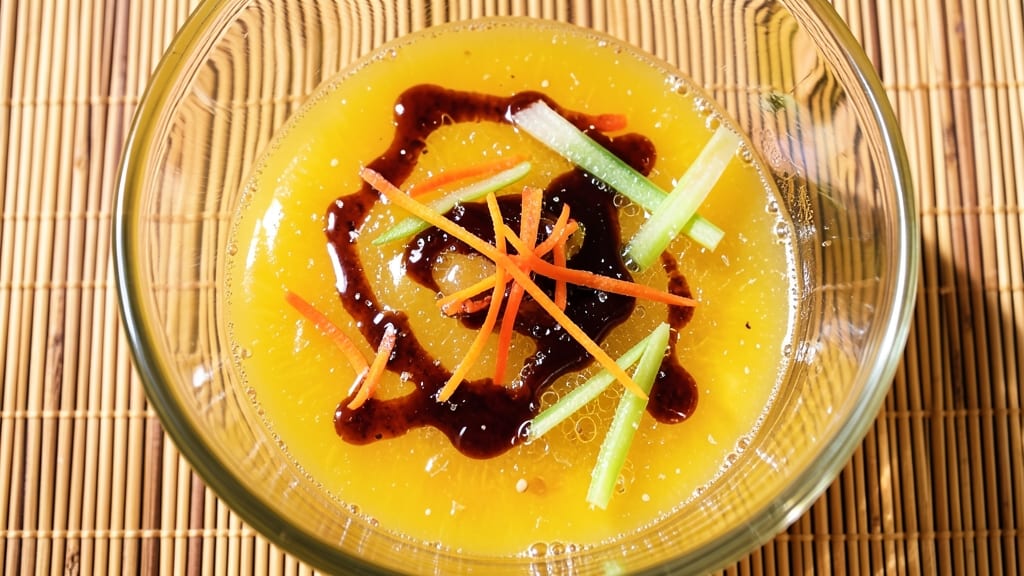
This Asian mandarin salad dressing transforms ordinary greens into vibrant, flavor-packed bites with just five simple ingredients. The secret lies in balancing bright citrus with umami-rich soy and a touch of ginger—creating a dressing that's tangy, slightly sweet, and deeply aromatic.
I developed this recipe after craving that perfect harmony of flavors in restaurant-style salads, and it's become my go-to for everything from fresh greens to grilled proteins.
The foundation is a light, emulsified base of rice vinegar and sesame oil, brightened with mandarin orange juice and zest for that signature citrus pop. A pinch of fresh ginger and garlic powder adds warmth without overpowering, while a splash of soy sauce ties everything together with savory depth.
What makes this dressing truly special is how it clings to greens or proteins, infusing every bite with layers of flavor that linger.
What you'll end up with is a versatile, restaurant-quality dressing that elevates any salad—crisp, tangy, and packed with umami zing. The mandarin orange adds a refreshing sweetness that balances the tangy vinegar, while the ginger and garlic create a subtle warmth that enhances rather than dominates.
It's the kind of dressing that makes you want to toss it with everything from arugula to grilled chicken.
Perfect for meal prep or last-minute salads, this dressing stays fresh in the fridge for up to a week, making it ideal for busy weeks. Use it on fresh greens, noodle bowls, or even as a marinade for proteins.
The balance of flavors is foolproof, and the ingredients are easy to find—no specialty items required.
Ingredients for asian mandarin salad dressing
Five simple ingredients create this vibrant, restaurant-style dressing with citrusy umami zing.
| Ingredient | Amount | Notes |
|---|---|---|
| Fresh Mandarin Orange Juice 🍊 | ½ cup | Freshly squeezed, no pulp |
| Rice Vinegar 🍶 | ¼ cup | Seasoned preferred for depth |
| Sesame Oil 🫒 | 2 tbsp | Toasted sesame oil for aroma |
| Fresh Ginger 🌿 | 1 tbsp | Finely grated, aromatic |
| Low-Sodium Soy Sauce 🥢 | 1 tbsp | For umami balance |
| Mandarin Orange Zest 🍊 | 1 tbsp | Bright citrus aroma |
| Garlic Powder 🧄 | ½ tsp | For subtle savory depth |
| Honey 🍯 | 1 tbsp | Balances acidity |
| Toasted Sesame Seeds 🌾 | 1 tsp | For texture and crunch |
The mandarin orange is the star—fresh juice and zest make all the difference. Look for juicy, ripe mandarins at Whole Foods or your local Asian market for maximum sweetness. If you can't find fresh, bottled mandarin juice works in a pinch, but it lacks the bright aroma. The ginger should be fresh and aromatic—Costco or Trader Joe's often carry good-quality ginger roots. Toast your sesame seeds lightly in a dry pan for about 30 seconds until fragrant—they add a nutty crunch that elevates the dressing.
No mandarin oranges? Substitute with fresh orange juice and a little extra honey to balance the tartness. Running low on sesame oil? Avocado oil works too, though it lacks the signature aroma. For a sugar-free version, swap honey with maple syrup or agave nectar. The garlic powder is non-negotiable for that subtle savory kick—don’t skip it. If you want extra depth, add a pinch of red pepper flakes for a hint of heat. This dressing keeps its vibrant color and flavor when stored properly—no need for fancy ingredients.
Store in an airtight jar in the fridge for up to 1 week. The flavors meld beautifully over time, so it tastes even better the next day. Shake well before each use—sesame oil separates naturally. For meal prep, double the batch and keep it in a glass jar with a tight lid. The toasted sesame seeds stay fresh for about 2 weeks in a sealed container, so add them just before serving if you're making this ahead. Perfect for tossing with greens, noodles, or grilled proteins.
Why You'll Love This Recipe
- Five-Ingredient Magic: I swear by this combo—no fancy tools, just a whisk and a jar. The ginger and mandarin juice do all the heavy lifting while I sip my coffee, and honestly? That’s my kind of cooking.
- Bright & Tangy: The mandarin juice cuts through everything like a citrusy hug, while the ginger adds a warm kick. Between us, this dressing turns wilted greens into something that makes people ask, “What’s in this?”
- Dresses Anything: Toss it on grilled chicken, noodles, or even cold soba—it’s my go-to for weeknight lunches. (Yes, even on a Tuesday night.) The sesame oil adds richness without overpowering, so it works for salads, bowls, or as a marinade.
- Leftovers That Shine: Make a big batch—it keeps for days in the fridge, and the flavors only get better. I’ll be real: I’ve used it to revive takeout rice or drizzled it over store-bought sushi. Budget-friendly? Absolutely. Versatile? Even more so.
Step-by-step instructions for Asian mandarin salad dressing
This vibrant dressing balances bright citrus, nutty sesame, and umami depth in minutes—perfect for fresh greens.
Whisk Together the Citrus Base
In a medium bowl, combine the 0.5 cup fresh mandarin orange juice and 0.25 cup rice vinegar. Use a whisk to blend until fully integrated—this creates the dressing's foundational tang. The rice vinegar should be seasoned type for that subtle sweetness and depth that elevates the citrus.
Next, add the 1 tbsp mandarin orange zest and 1 tbsp honey, whisking continuously. The zest adds aromatic layers while the honey gently balances the acidity. Taste at this stage—you should notice a bright, slightly sweet citrus profile without any bitterness. If it's too sharp, add a pinch more honey; if too flat, a splash of fresh juice helps.
Incorporate the Aromatics and Umami
Add the 1 tbsp finely grated fresh ginger and 0.5 tsp garlic powder, whisking until the ginger is completely dissolved. The ginger should infuse the dressing with its signature warmth, while the garlic powder adds a subtle savory backbone that complements the citrus. Let the mixture sit for 2 minutes—this allows the flavors to meld slightly before adding the oil.
Now stir in the 2 tbsp sesame oil and 1 tbsp low-sodium soy sauce using a spoon rather than whisking. The sesame oil should be toasted for its nutty aroma, and the soy sauce provides that essential umami punch. At this point, the dressing will look slightly emulsified but not fully combined—this is normal and will resolve when whisked properly in the next step.
Emulsify and Adjust for Balance
Return to using the whisk and vigorously combine all ingredients for 30-45 seconds until the dressing thickens slightly and takes on a glossy sheen. You're looking for a consistency that coats the back of a spoon but remains pourable. If the dressing separates, add 1 teaspoon of warm water and whisk again—this helps bind the oil and vinegar.
Taste and adjust seasoning: if it needs more brightness, add ½ teaspoon of fresh mandarin orange juice; for deeper umami, a pinch of soy sauce helps; for sweetness, a touch more honey works. The dressing should harmonize all flavors—citrusy, nutty, tangy, and savory—without any single note overpowering.
Finish with Texture and Rest
Transfer the dressing to a small jar or airtight container. Sprinkle the 1 tsp toasted sesame seeds on top—they'll add a delightful crunch when tossed with greens. Let the dressing rest for 10 minutes at room temperature. This resting period allows the flavors to fully integrate and the texture to stabilize.
Before using, give it one final whisk to ensure everything is evenly distributed. The dressing should now have a velvety texture with visible flecks of sesame seeds. Store any leftovers in the refrigerator for up to 5 days, shaking well before each use. This dressing transforms simple salads into vibrant, restaurant-quality dishes with minimal effort.
Pro Tips For Making Asian Mandarin Salad Dressing
- STRAIN THE GINGER WELL: I learned this the hard way—grating ginger straight into the dressing leaves behind fibrous bits that ruin the silky texture. Use a microplane, then press the pulp through a fine-mesh sieve (or wrap it in cheesecloth and squeeze). The extra effort makes the dressing smoother, not to mention more aromatic.
- DILUTE THE SESAME OIL: That tiny bottle of sesame oil is potent—way more than you’d think. Start with just ½ teaspoon, then add more if needed. If you skip this step, your dressing will taste like a deep fryer exploded. (Yes, I’ve done it.)
- USE COLD JUICE: Fresh mandarin juice straight from the juicer is hot and cloudy—let it cool completely before mixing. Warm juice dulls the bright citrus notes and can turn the dressing flat. Pop it in the fridge for 10 minutes if you’re impatient.
- BALANCE THE SOY SAUCE: Low-sodium soy sauce is still salty—trust me, I’ve overdone it. Start with ½ teaspoon and taste as you go. If your dressing tastes like a miso soup, you’ve gone too far. The goal is savory depth, not a salty punch.
Dietary considerations for asian mandarin salad dressing
Gluten-Free Adaptation
This dressing is naturally gluten-free thanks to its simple ingredients, but always double-check labels on soy sauce and honey. I recommend using a certified gluten-free soy sauce like Kikkoman Gluten-Free Tamari—it delivers the same umami depth without any risk.
The rest of the ingredients are inherently safe, including fresh citrus, rice vinegar, and sesame oil. Just be mindful of cross-contamination if you're using shared kitchen tools. 🌱
Low-Sugar Options
For a lower-sugar version, reduce the honey to ½ tablespoon or swap it with maple syrup, which has a milder sweetness. You could also use monk fruit sweetener (about ½ teaspoon) for zero glycemic impact.
The citrus and ginger flavors will still shine through, though the dressing will taste slightly more tart. I've found that 1 teaspoon of agave nectar works well as a middle-ground option.
Nut-Free Version
Sesame oil is the only nut-based ingredient, but you can easily substitute it with avocado oil or neutral high-oleic oil (like Light Olive Oil). The flavor won't be identical, but the dressing will maintain its smooth texture and citrus-forward profile.
For extra richness, add ½ teaspoon of toasted coconut oil—it complements the mandarin beautifully while keeping the dish nut-free.
Vegan-Friendly
This dressing is already vegan, but if you want to ensure all ingredients meet your standards, verify that your honey is vegan-certified (some brands use beekeeping practices that conflict with vegan ethics).
The rest of the ingredients are plant-based by nature, and the umami from soy sauce and ginger makes it satisfyingly hearty. For an extra boost, add ½ teaspoon of nutritional yeast—it adds a cheesy, savory depth that pairs perfectly with the citrus.
Allergy Considerations
If sesame allergies are a concern, replace the sesame oil with sunflower oil and omit the toasted sesame seeds. The dressing will still be flavorful, though slightly less aromatic. For soy allergies, use coconut aminos instead of soy sauce—it provides a similar salty depth without the allergen.
Always check labels carefully, as cross-contamination can occur in shared facilities. When in doubt, I recommend making a small batch first to test for reactions. 💡
Nutrition facts
Frequently asked questions
Can I use regular oranges instead of mandarins?
Yes, but you'll need to adjust for tartness. Use 0.5 cup fresh orange juice instead of mandarin and add an extra ½ teaspoon of honey to balance the sharper flavor. The zest from regular oranges works too, though it's slightly thicker. For best results, choose sweet oranges like Valencia or navel varieties.
How long does this dressing keep in the fridge?
This vibrant dressing stays fresh for up to 5 days when stored in an airtight container. The flavors actually improve after the first day as the ingredients meld together. Always shake well before using since the sesame oil may separate slightly over time. For longer storage, consider freezing in ice cube trays for up to 3 months.
What's the best way to store leftover sesame seeds?
Toasted sesame seeds stay fresh for about 2 weeks in an airtight container at room temperature. For maximum flavor, store them in the freezer where they'll keep their aroma for up to 3 months. When ready to use, simply toast them fresh in a dry pan for 30 seconds to restore their nutty crunch before sprinkling on the dressing.
Can I make this dressing spicier? Add ¼ teaspoon of red pepper flakes or ½ teaspoon of sriracha for immediate heat. For a more subtle kick, include ½ teaspoon of fresh chili paste or a pinch of cayenne pepper.
What salads pair best with this dressing?
This dressing shines with Asian greens like bok choy or butter lettuce, but it also elevates mixed greens, shredded cabbage, or cucumber salads. Try it with grilled chicken, shrimp, or tofu for a complete meal. The bright citrus flavors complement both light and hearty proteins beautifully.