
Salads
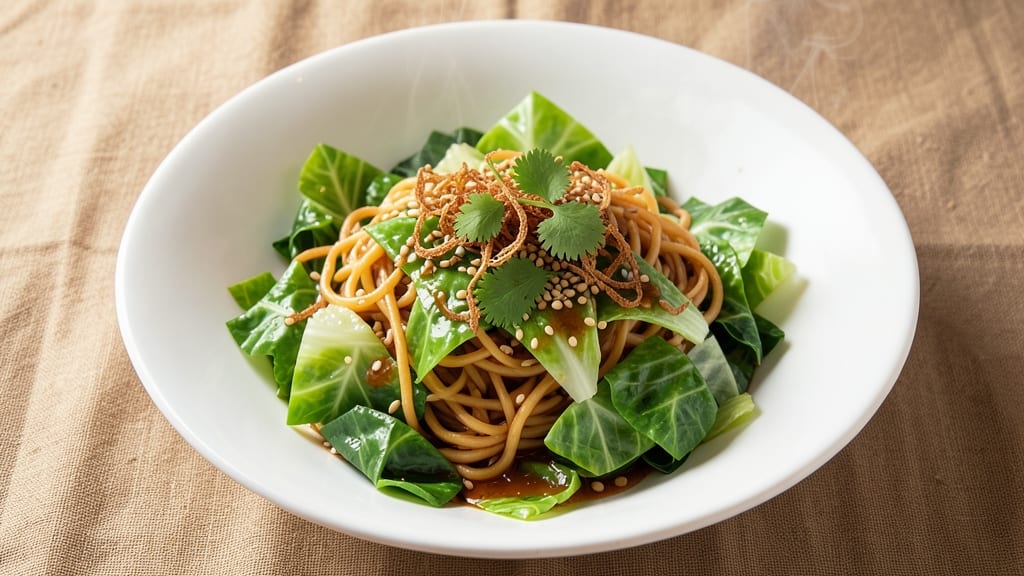
This Japanese cabbage salad with ramen noodles transforms simple ingredients into a crisp-tender dish bursting with umami depth. The secret lies in perfectly cooked ramen—chewy yet tender—paired with thinly sliced cabbage that stays crunchy while absorbing the savory dressing.
I developed this recipe after craving something light yet satisfying, and it became an instant weeknight favorite. The beauty of this dish is its versatility: serve it warm for a comforting noodle salad or chilled for a refreshing side.
A simple sesame-soy dressing ties everything together, while optional proteins like soft-boiled eggs or shredded chicken add heartiness. The cabbage's natural crunch contrasts beautifully with the noodles' texture, creating each bite's satisfying balance. What you'll end up with is a dish that's both restaurant-worthy and effortless to make at home.
The aroma of toasted sesame seeds mingles with the cabbage's freshness, while the ramen noodles provide that essential chewy element. It's the kind of meal that feels special without requiring hours in the kitchen. Perfect for meal prep or a quick lunch, this salad delivers bold flavors and satisfying textures.
Let's get started!
Ingredients for japanese cabbage salad recipe with ramen noodles
Crisp cabbage, chewy ramen, and toasted sesame—this salad balances textures with umami depth.
| Ingredient | Amount | Notes |
|---|---|---|
| Japanese Green Cabbage 🥬 | 6 cups | Thinly sliced, core removed |
| Dried Ramen Noodles 🍜 | 8 oz | Discard seasoning packet or use separately |
| Sesame Oil 🫒 | 2 tbsp | Toasted for aroma, not cooking |
| Soy Sauce 🥫 | ⅓ cup | Use light or regular soy |
| Rice Vinegar 🍶 | 2 tbsp | White or seasoned preferred |
| Sesame Seeds 🌰 | 2 tbsp | Toasted for crunch |
| Sesame Seeds 🌰 | 1 tbsp | Reserved for garnish |
| Garlic Cloves 🧄 | 2 cloves | Minced for dressing |
| Ginger Root 🌿 | 1 tbsp | Freshly grated |
| Honey 🍯 | 1 tbsp | For subtle sweetness |
| Vegetable Oil 🫒 | 1 tbsp | For cabbage cooking |
| Salt 🧂 | 1 tsp | Kosher or sea salt |
| Black Pepper 🌶️ | ¼ tsp | Freshly ground |
| Optional Soft-Boiled Eggs 🥚 | 4 whole | For added protein |
| Optional Shredded Chicken 🍗 | ½ lb | Cooked, for heartiness |
The cabbage is non-negotiable here—green Japanese cabbage has the perfect crunch and sweetness. Trader Joe's or Asian markets carry it pre-sliced, but slicing yourself ensures even tenderness. Look for heads with crisp outer leaves and no yellowing. For ramen, shoyu-flavored noodles add natural umami, but any variety works. If you're using the seasoning packet, save it for garnish or use in another dish—it's too salty for this delicate balance. The sesame oil? Toast it first—heat 1 tbsp in a dry pan for 30 seconds until fragrant, then cool before using.
No sesame seeds? Toasted sunflower seeds work in a pinch, though they lack the nutty depth. Subbing soy sauce? Tamari or coconut aminos both add complexity, but soy's saltiness is key. Fresh ginger and garlic are ideal, but powdered ginger at half the amount gets you close. The honey can be swapped for maple syrup or agave, though it adds a slightly different floral note. For the optional proteins, soft-boiled eggs add richness while shredded chicken keeps it light—both cook ahead for convenience. If you're meal prepping, store proteins separately until ready to assemble.
Cabbage stays crisp for 3 days in the fridge if stored in a sealed container with paper towels to absorb moisture. Ramen noodles? Cook them al dente and rinse in cold water to stop cooking—they'll finish cooking in the dressing. The dressing keeps for 5 days in the fridge, but the sesame seeds lose crunch after a day, so toast them fresh when serving. For meal prep, assemble everything except the cabbage and dressing, then toss just before eating. The flavors actually improve after 24 hours as everything melds together—trust the process.
Why You'll Love This Recipe
- Pantry Rescue: I keep ramen noodles on hand for exactly this—when I forget to buy fresh ingredients but still want something better than takeout. The crisp cabbage cuts through their richness, and a splash of rice vinegar keeps it bright. No last-minute grocery runs needed.
- Umami Magic: That first bite? The noodles soak up just enough soy and sesame oil to get addictive—chewy, salty, with a whisper of garlic. Honestly, the cabbage’s peppery crunch makes it taste like a whole meal, not just leftovers.
- Lunchbox Hero: Between us, this is my go-to for packed lunches. The noodles hold up for days (yes, really), and the dressing clings to the cabbage like it’s glued on. Toss in a soft-boiled egg or leftover chicken, and suddenly you’ve got a lunch that won’t get traded for chips.
- Budget Upgrade: For under $5, I feed four people a dish that feels fancy. The ramen’s the star, but the cabbage makes it feel fresh—no overpriced pre-cut salads here. Plus, leftovers reheat like a dream (microwave or pan-fried, your call).
Step-by-step instructions for Japanese cabbage salad with ramen noodles
Here's how to balance crisp-tender cabbage with perfectly textured ramen for a dish that's both comforting and refreshing.
Prepare the Crisp-Tender Cabbage
Heat 1 tablespoon vegetable oil in a large skillet over medium-high heat. Add the 6 cups thinly sliced Japanese green cabbage in batches, stirring constantly for 2-3 minutes per batch until the edges just begin to soften but still retain a satisfying crunch. The cabbage should be bright green with slightly wilted edges—this ensures it holds its shape while developing that perfect bite.
Transfer the cooked cabbage to a large mixing bowl and immediately sprinkle with 1 teaspoon salt and ¼ teaspoon black pepper. Toss gently to distribute the seasoning evenly. Let it sit for 5 minutes while you prepare the ramen—this resting period helps the cabbage absorb the flavors and soften slightly without losing its texture. The salt will also draw out some moisture, which prevents the final salad from becoming soggy.
Cook and Prepare the Ramen Noodles
Bring a pot of water to a rolling boil and cook the 8 oz dried ramen noodles according to package instructions, but reduce the cooking time by 1 minute for al dente texture. Drain immediately and rinse under cold water to stop the cooking process and remove excess starch. This prevents the noodles from becoming mushy in the dressing.
While the noodles cook, prepare the dressing by whisking together ⅓ cup soy sauce, 2 tablespoons rice vinegar, 1 tablespoon honey, 2 cloves minced garlic, and 1 tablespoon freshly grated ginger root in a small bowl. Taste and adjust seasoning if needed—this dressing is the heart of the dish, balancing sweet, salty, and umami flavors. The ginger and garlic add a subtle warmth that complements the cabbage beautifully.
Assemble and Toss the Salad
Add the cooked ramen noodles and dressing to the seasoned cabbage in the mixing bowl. Toss everything together gently but thoroughly, ensuring the noodles and cabbage are evenly coated. The noodles will absorb some of the dressing, so don't be shy—you want them to be well-coated but not swimming in liquid. If the mixture seems too dry, add 1-2 tablespoons of water to help bind everything together.
Here's the thing—this is where the magic happens. The contrast between the crisp cabbage, chewy ramen, and creamy dressing creates a textural and flavor experience that's hard to beat. Let the salad sit for 10 minutes at room temperature to allow the flavors to meld. This resting period also helps the cabbage soften just enough to make it more approachable while maintaining that essential crunch.
Add Optional Proteins and Garnish
If using, gently fold in the ½ pound shredded chicken or 4 soft-boiled eggs (halved lengthwise) just before serving. The chicken should be warm but not hot, and the eggs should be at room temperature to prevent them from cooling down the entire salad. These additions add protein and heartiness without overpowering the delicate balance of flavors in the salad.
Finally, drizzle with 2 tablespoons toasted sesame oil and sprinkle with 2 tablespoons toasted sesame seeds reserved for garnish. The toasted sesame oil adds a nutty aroma and rich depth, while the sesame seeds provide a satisfying crunch. Serve immediately while the cabbage is still crisp and the noodles maintain their texture. This dish tastes even better the next day, but the cabbage will be slightly softer—so enjoy it fresh for that perfect crunch.
Pro Tips For Making Japanese Cabbage Salad Recipe With Ramen Noodles
- SHOCK THE CABBAGE COLD: Dump that cabbage into ice water for 10 minutes right after slicing—it tightens the leaves and keeps them crisp even after sitting in dressing. I used to skip this and ended up with sad, limp greens by the time I ate it. Trust me, the cold plunge is worth the wait.
- COOK NOODLES UNTIL AL DENTO: Pull those ramen noodles out the second they’re just tender—about 2 minutes less than the package says. Overcooking turns them mushy, and you’ll end up with a sad, gluey salad. Rinse them in cold water immediately to stop the cooking, then toss in while still warm.
- USE LESS SOY SAUCE: Start with half the soy sauce you think you need—it’s saltier than you remember. The cabbage will soak it up fast, and you can always add more later. I learned this after ruining a batch with a mouth-puckering, over-salty mess.
- DRESSING FIRST, NOODLES SECOND: Toss the cabbage with the dressing (soy, vinegar, sesame oil) before adding the noodles. This lets the flavors meld into the greens, so the noodles just soak up the goodness instead of getting drowned out. I was lazy and did it the other way—big mistake.
Regional styles of japanese cabbage salad recipe with ramen noodles
Japanese Home-Style
In Japan, this dish is often called sunomono when featuring cabbage and vinegar-based dressings. Traditional versions use quick-pickled cabbage with rice vinegar, sugar, and a touch of salt—no ramen noodles.
I adapted this by adding cooked ramen to create a heartier, noodle-forward version that still honors the balance of fresh and savory. The key difference? Japanese home cooks often use shredded daikon radish for extra crunch, which you can add if you like. 🥬
Korean-Inspired Twist
Korean cuisine shares Japan’s love for crisp cabbage, but with a spicier, tangier profile. For a Korean-style ramen cabbage salad, swap the soy sauce for 1 tbsp gochujang (Korean chili paste) and add 1 tsp toasted sesame oil with 1 tsp honey.
Toss in ½ cup julienned carrots and 2 tbsp toasted sesame seeds for extra depth. The heat from the gochujang cuts through the richness of the ramen beautifully. 🌶️
Chinese Regional Adaptation
In Chinese home cooking, this dish might resemble a cold noodle salad like liangpi (冷皮), where ramen noodles are tossed with a light dressing. For a Chinese-inspired version, replace the sesame oil with 1 tbsp chili oil and add 1 tbsp dark soy sauce for color.
Stir in ½ cup shredded cucumber and 2 tbsp chopped cilantro for a refreshing, herbaceous twist. The chili oil adds a smoky kick that pairs perfectly with the cabbage’s crunch. 🥒
Modern Fusion Approach
For a fusion twist, think Thai-inspired ramen cabbage salad. Swap the soy sauce for 2 tbsp fish sauce and 1 tbsp lime juice, then add 1 tbsp peanut oil and 1 tsp palm sugar.
Toss in ½ cup shredded red cabbage and 2 tbsp chopped peanuts for crunch. The fish sauce and lime brighten the dish, while the peanuts add a satisfying nutty contrast to the ramen’s chew. This version is a crowd-pleaser for those who love bold, aromatic flavors. 🥜
Vegetarian-Friendly Variations
Skip the optional proteins and lean into umami-rich veggies like shiitake mushrooms or tofu. For a vegetarian ramen cabbage salad, sauté ½ lb shiitake mushrooms with the cabbage and add ½ cup crumbled fried tofu for protein.
Boost the dressing with 1 tbsp miso paste for extra depth. The mushrooms add a meaty texture, while the tofu soaks up the savory flavors beautifully. Perfect for veggie lovers! 🍄
Meal Prep Adaptations
For meal prep, assemble the salad without the cabbage and dressing—store them separately. When ready to eat, toss the cabbage with 1 tbsp rice vinegar and 1 tsp soy sauce to keep it crisp, then mix everything together.
The noodles stay chewy for 3-4 days in the fridge if stored in an airtight container with a damp paper towel to retain moisture. Pro tip: Add the sesame oil and seeds fresh before serving to keep them toasty. 📅
Nutrition facts
Frequently asked questions
Can I use regular green cabbage instead of Japanese cabbage?
You can, but the texture and flavor will differ. Japanese cabbage is sweeter and more tender, while regular green cabbage stays crunchier longer but may taste bitter. If substituting, reduce cooking time to 1-2 minutes per batch to preserve crispness. For extra sweetness, add ½ teaspoon sugar to the dressing.
How do I prevent the ramen noodles from getting mushy?
Cook the noodles 1 minute less than package instructions, then rinse them immediately in cold water to stop cooking. Drain well and pat dry before tossing with the cabbage. Avoid overcrowding the pot while boiling—use a larger pot if needed. The key is al dente texture!
Can I make this salad ahead of time?
Yes! Store the cooked noodles and dressing separately in the fridge for up to 3 days. Keep the cabbage raw until ready to serve—toss it with 1 tbsp rice vinegar and 1 tsp soy sauce just before mixing. The flavors actually improve overnight as everything melds together. Add sesame oil and seeds fresh for maximum crunch.
What if I don't have sesame oil?
Use 1 tablespoon neutral oil (like vegetable or canola) plus ½ teaspoon toasted sesame seeds for aroma. For a similar nutty depth, try 1 teaspoon peanut oil or ½ teaspoon toasted almond extract. The toasted seeds are more important than the oil—they provide the signature crunch and flavor.
Is this dish gluten-free?
Only if you use gluten-free ramen noodles. Regular ramen contains wheat, so check the package for gluten-free labels. For a fully gluten-free version, substitute with rice noodles or gluten-free soba noodles. The rest of the recipe is naturally gluten-free, including the cabbage, dressing, and garnishes.