
Sauces & Condiments
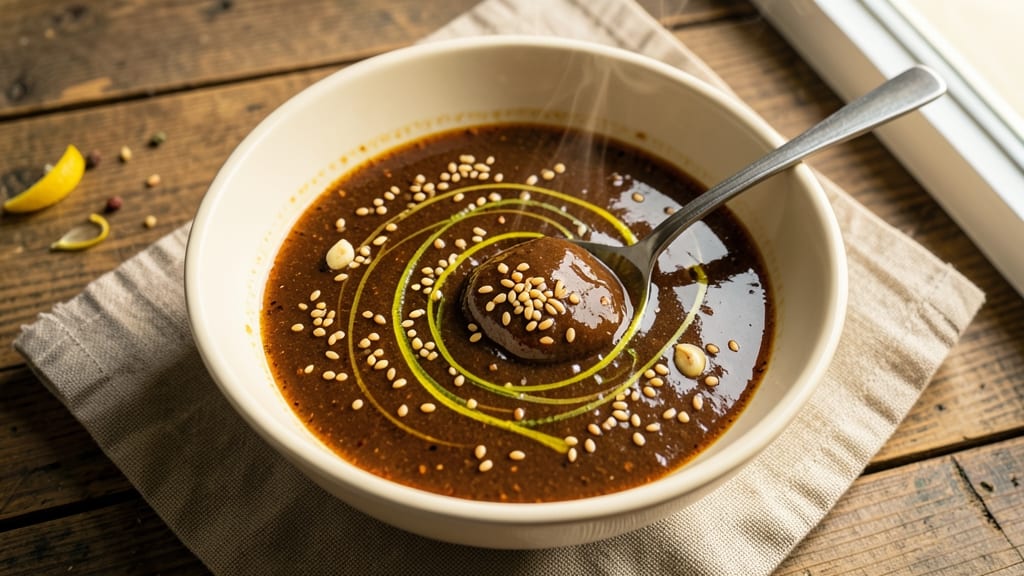
This Burmese salad dressing recipe transforms simple ingredients into a vibrant, complex sauce that balances tangy tamarind, salty fish sauce, and nutty toasted sesame—just like the dressings I first tasted in Myanmar.
The secret lies in emulsifying the ingredients properly, creating a velvety texture that clings to greens and adds depth to any dish.
I developed this recipe after years of experimenting with Southeast Asian flavors, and it's become my go-to for adding authentic Burmese taste to salads, marinades, or even drizzled over grilled meats.
The dressing combines traditional Burmese elements—tamarind paste for sourness, fish sauce for umami, and lime juice for brightness—while toasted sesame seeds and garlic bring a satisfying crunch and aroma. Unlike many store-bought dressings, this one delivers layers of flavor without overpowering the dish.
The emulsification process ensures a smooth, cohesive texture that won't separate, making it perfect for both fresh salads and heartier preparations.
What makes this dressing truly special is its versatility. Use it to elevate a simple teak leaf salad, toss it with grilled chicken or shrimp, or even drizzle it over noodles for an instant flavor boost.
The balance of sour, salty, and nutty notes creates a harmonious profile that works in both traditional and modern dishes. Once you try this, you'll never settle for bottled versions again.
With just 10 minutes of prep and 5 ingredients, this dressing is a game-changer for home cooks looking to add authentic Burmese flavor to their meals. The recipe scales easily, so you can make a small batch for immediate use or double it for leftovers.
Trust me, this dressing will quickly become a staple in your kitchen—just like it has in mine.
Ingredients for burmese salad dressing
Five core ingredients create this vibrant Burmese dressing with perfect tangy-salty balance.
| Ingredient | Amount | Notes |
|---|---|---|
| Tamarind Paste 🍯 | ¼ cup | Unsweetened, high-quality paste |
| Fish Sauce 🐟 | ¼ cup | Red Boat brand preferred |
| Toasted Sesame Oil 🫒 | ¼ cup | For nutty aroma |
| Fresh Lime Juice 🍋 | ¼ cup | From 2-3 limes |
| Garlic Cloves 🧄 | 4 cloves | Minced, for depth |
| Toasted Sesame Seeds 🥜 | ¼ cup | For crunchy texture |
| Granulated Sugar 🍚 | 2 tbsp | Balances tartness |
| Water 💧 | ¼ cup | For thinning consistency |
| Salt 🧂 | ½ tsp | Fine sea salt |
The tamarind paste is your flavor anchor—look for unsweetened blocks at Asian markets or the paste in tubes. Red Boat fish sauce is non-negotiable for authentic umami; the cheaper brands lack depth. Toast the sesame seeds in a dry pan for 2-3 minutes until golden—that nutty aroma is what makes this dressing sing. I always grab extra lime juice because it's the brightest when freshly squeezed. For the garlic, roast it first (400°F for 10 minutes) to mellow its sharpness and add sweetness—trust me, it's a game-changer.
No tamarind paste? Lime juice plus 1 tbsp honey gets you close, though it won't be identical. Fish sauce missing? Soy sauce plus a pinch of sugar mimics the saltiness, but you'll lose that funky depth. Sesame oil substitute? Toasted peanut oil works in a pinch, though the flavor profile shifts. The sugar can be swapped for maple syrup or agave if you're avoiding refined sugar. For the water, sparkling water adds subtle fizz if you're using this on salads with delicate greens. And if you're feeling fancy, add a pinch of white pepper for a subtle kick.
This dressing keeps for 1 week in the fridge, but the sesame oil will separate—just whisk before using. For longer storage, freeze in ice cube trays and thaw as needed. I always make extra because it disappears fast—perfect for drizzling over rice noodles, grilled meats, or even as a marinade. The texture gets thicker over time, so add a splash of water when needed. And if you're serving it over something hot, reheat gently to restore that velvety consistency.
Why You'll Love This Recipe
- No-Fuss Pantry Magic: I swear by this dressing because it uses ingredients I already have—tamarind paste, fish sauce, and lime juice—no fancy shopping required. Honestly, the only thing I prep is mincing garlic, and even that’s optional if you’re in a rush.
- Tangy Umami Bomb: That first spoonful of toasted sesame oil swirled with tamarind and fish sauce? It’s the kind of flavor that hits you like a warm hug—bright, salty, and just a little funky. The lime juice keeps it from being too heavy, so it’s fresh but still deep.
- Dresses Up Everything: I drizzle this over rice bowls, noodles, or even grilled chicken, and it transforms whatever I’m serving. Between us, it’s my go-to for lazy weeknights when I don’t want to cook—just toss it on whatever’s left in the fridge.
- Makes Leftovers Taste New: A little goes a long way, so I make a big batch and keep it in the fridge. The flavors actually improve over time, and a splash on day-old takeout or a simple salad turns it into something special. (Yes, even on a Tuesday night.)
Step-by-step instructions for Burmese salad dressing
This dressing comes together in minutes with bold flavors that balance sweet, sour, and umami perfectly.
Whisk Together the Wet Ingredients
In a medium bowl, combine the 0.25 cup tamarind paste, 0.25 cup fish sauce, 0.25 cup toasted sesame oil, and 0.25 cup fresh lime juice. Use a whisk to blend thoroughly until the tamarind paste dissolves completely—you should see a smooth, slightly sticky mixture with a deep amber color. The tamarind paste is key here; if it's clumpy, warm it gently in a small saucepan with 2 tablespoons water until it becomes pourable before adding to the bowl.
Taste the mixture now—it should be intensely tangy with a salty, funky depth from the fish sauce. Don't worry if it tastes overly strong at this stage; the other ingredients will balance it out. Add the 2 tablespoons granulated sugar and whisk again until fully dissolved. The sugar helps cut through the tartness while enhancing the caramel notes from the tamarind.
Incorporate the Garlic and Salt
Add the 4 minced garlic cloves and 0.5 teaspoon salt to the wet mixture. Whisk vigorously for 30 seconds to distribute the garlic evenly—you want every drop of dressing to carry that aromatic punch. The garlic should be fully incorporated but still visible as tiny flecks; over-mixing here can turn it bitter. Taste again and adjust the balance: if it's too sharp, add a pinch more sugar; if it's too salty, a splash of lime juice helps.
Here's the thing—Burmese dressings rely on this perfect harmony of flavors. The tamarind gives the signature tang, fish sauce adds umami depth, and the lime brightens it up. The sugar isn't just for sweetness; it also helps emulsify the dressing slightly, preventing separation later. If you're using Red Boat fish sauce, you'll notice a cleaner, more complex flavor than generic brands, which is why it's preferred here.
Thin with Water and Reserve Sesame Seeds
Pour in the 0.25 cup water and whisk until the dressing reaches a pourable consistency—it should coat the back of a spoon but still cling slightly. The texture should be like a thick syrup, not watery. If it's too thick after whisking, add 1-2 teaspoons more water at a time until you achieve the right balance. This step is crucial for achieving that signature Burmese dressing consistency that clings beautifully to greens and proteins.
Transfer 2 tablespoons of the dressing to a small bowl and set aside. This reserved portion will be used to toss with the 0.25 cup toasted sesame seeds just before serving. The seeds need this dressing to coat them properly for maximum crunch and flavor distribution. Keep the remaining dressing in the main bowl for now.
Combine and Rest Before Serving
Pour the reserved dressing over the 0.25 cup toasted sesame seeds in the small bowl and stir gently with a spoon. Let this mixture sit for 5 minutes—this allows the seeds to absorb just enough dressing to become lightly coated without becoming soggy. The seeds should look glistening but still maintain their distinct crunch. If you mix them too soon, they'll lose their texture.
Give the main dressing one final taste and adjust if needed—perhaps a squeeze of lime for brightness or a pinch of salt for depth. The dressing should now have a complex balance of sweet, sour, salty, and umami flavors with a subtle garlic heat. Let it sit at room temperature for 10 minutes before using; this resting period allows the flavors to meld completely. When ready to serve, gently fold the sesame seed mixture back into the dressing just before tossing with your salad or dipping vegetables.
Pro Tips For Making Burmese Salad Dressing
- STIR IN STAGES: Mix the tamarind paste first, then add fish sauce and lime juice one tablespoon at a time—this keeps you from overdoing the sour or salty punch. I learned this the hard way after making a batch that tasted like a science experiment gone wrong.
- MINCE GARLIC FINE: Use a knife instead of a press for the garlic—those cloves should be almost paste-like, not chunky. My grandmother swore by this, and she was right: you want that garlic to dissolve completely into the dressing.
- DILUTE THE TAMARIND: Tamarind paste is thick stuff. Thin it with warm water first (about 2 tablespoons) before adding it to the other ingredients—this makes it easier to control the consistency and stops clumps from forming.
- TOAST THE SESAME OIL: Add the toasted sesame oil last, just before serving. If you mix it in early, the aroma fades and the dressing loses its bold, nutty kick. (Yes, even if you're impatient like me.)
Serving suggestions for this burmese salad dressing
Salad Pairings
This dressing shines on teak leaf salad, the classic Burmese dish it was born to complement. Toss 4 cups shredded teak leaves (or sub butter lettuce) with ½ cup shredded carrots, ¼ cup chopped cilantro, and 2 tbsp crushed peanuts.
The dressing's tangy depth cuts through the salad's delicate bitterness beautifully. I also love it on mixed greens with cucumber and edamame for a lighter option. 🥗
Protein Pairings
Drizzle over grilled chicken thighs or shrimp skewers for instant umami elevation. The dressing's sticky texture clings perfectly to proteins, adding layers of flavor without overwhelming. For a full meal, serve with jasmine rice and steamed bok choy.
I once made extra dressing just to toss with seared tuna—the tamarind and fish sauce created a flavor explosion. 🍗
Vegetable Dips
Use this dressing as a dip for crudités like bell peppers, snap peas, and sugar snap peas. The sesame seeds add satisfying crunch while the tamarind keeps it refreshing. For extra texture, serve with rice paper rolls or spring rolls.
I've even used it as a dipping sauce for fresh spring rolls with shrimp and herbs—the balance of flavors is simply irresistible. 🥕
Marinade Magic
Double the recipe and use half as a marinade for tofu or chicken. The tamarind tenderizes while the fish sauce adds depth. Marinate for 30 minutes before grilling or stir-frying.
I once marinated extra-firm tofu in this for 2 hours before baking—it became so flavorful, I barely needed extra seasoning. 🍳
Garnish Ideas
Finish with crushed roasted peanuts for extra crunch or thinly sliced shallots for bite. A sprinkle of fresh mint leaves adds brightness. For heat lovers, add ½ tsp chili flakes right before serving.
I always keep a small bowl of extra dressing on the table for guests to adjust to their taste. 🌿
Make-Ahead Tips
Store leftovers in an airtight container for up to 1 week. The sesame oil may separate—just whisk before using. For longer storage, freeze in ice cube trays, then thaw as needed.
I like to make a big batch on Sundays and use it all week for salads, dips, and marinades. The flavors actually improve as it sits! ❄️
Nutrition facts
Frequently asked questions
Can I make this dressing without tamarind paste?
Yes! For a similar tangy effect, mix ¼ cup lime juice with 1 tablespoon honey—this won't be identical but works in a pinch. The texture will be slightly less complex, but the balance of flavors remains. For deeper authenticity, try 1 tablespoon date syrup instead of honey.
How do I prevent the dressing from separating?
Emulsify properly by whisking vigorously when combining wet ingredients, and add the sugar gradually—it helps bind the mixture. If separation happens, whisk in 1 teaspoon water at a time until smooth. For extra insurance, blend the wet ingredients first before adding seeds. The resting time (10 minutes) also helps stabilize the texture.
What's the best way to toast sesame seeds?
Use a dry skillet over medium heat for 2-3 minutes, stirring constantly until golden and fragrant. Watch closely—they burn quickly! For extra flavor, add ½ teaspoon salt while toasting. If you don't have a skillet, toast them in a single layer on a baking sheet at 350°F for 5 minutes. The nutty aroma is key to authentic flavor.
Can I use this dressing on hot dishes?
Yes, but reheat gently to restore its velvety texture. Warm in a small saucepan over low heat for 1-2 minutes, whisking constantly. Avoid boiling—it can break the emulsion. I often drizzle it over warm grilled meats or noodles right before serving for maximum flavor impact.
Why does my dressing taste too salty?
Fish sauce is potent—start with 2 tablespoons and taste as you go. If needed, balance with 1 extra tablespoon lime juice or ½ teaspoon sugar. The tamarind's natural sweetness also helps counteract saltiness. Remember, Red Boat fish sauce is stronger than generic brands—adjust accordingly.