
Salads
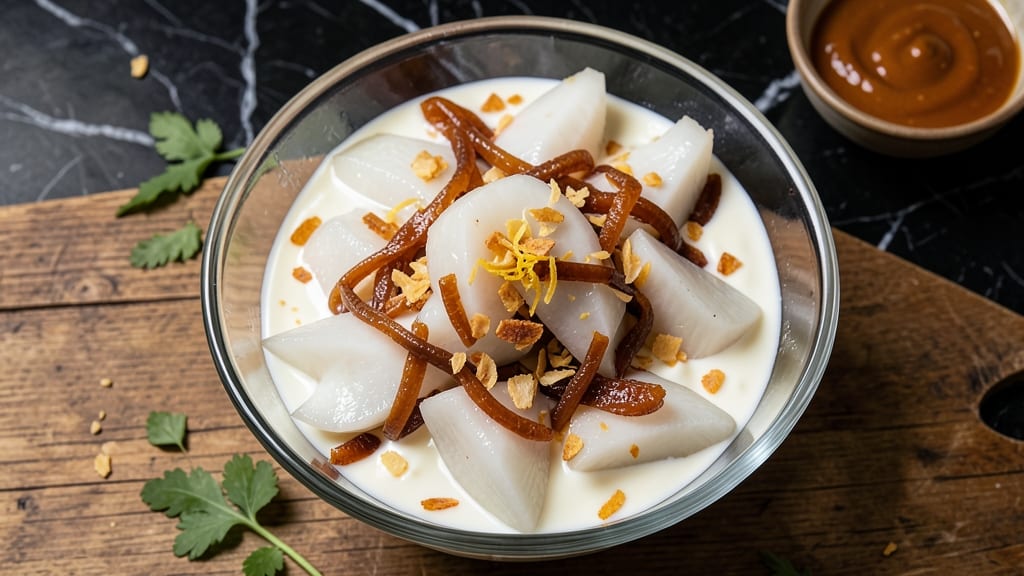
This buko salad recipe Panlasang Pinoy brings the beloved Filipino dessert-salad to your kitchen with its perfect balance of creamy coconut, sweetened cream, and tropical toppings. 🌴 The secret lies in the right ratio of coconut milk to condensed milk—too much of either ruins the harmony, but when balanced just right, you get that signature creamy texture that makes every bite irresistible.
Traditional Panlasang Pinoy buko salad features tender young coconut (buko), sweetened cream, leche flan, kaong (sugar palm fruit), and pinipig (toasted coconut flakes).
The key to achieving that restaurant-quality texture is chilling the mixture for at least 4 hours, allowing the flavors to meld and the cream to set just enough for that perfect bite.
What you’ll end up with is a vibrant, creamy dessert-salad that’s light yet satisfying—crunchy buko and kaong cut through the rich coconut cream, while the leche flan adds a subtle custardy contrast. The presentation matters too: layering the ingredients beautifully makes it as Instagram-worthy as it is delicious.
Perfect for celebrations, potlucks, or a refreshing treat on hot days, this buko salad delivers the tropical flavors of the Philippines with a professional touch. Let’s get started on creating this crowd-pleaser!
Ingredients for buko salad recipe panlasang pinoy
Six tropical ingredients create this iconic Filipino dessert-salad with perfect creamy crunch.
| Ingredient | Amount | Notes |
|---|---|---|
| Young Coconut (Buko) 🥥 | 2 cups | Fresh, tender, sliced into bite-sized pieces |
| Coconut Milk 🥥 | 1 can | Full-fat, chilled for best texture |
| Sweetened Condensed Milk 🥛 | 1 can | Unopened for best flavor |
| Sweetened Cream 🧈 | 1 cup | Heavy whipping cream, sweetened |
| Kaong (Sugar Palm Fruit) 🍈 | 1 cup | Fresh or canned, drained |
| Pinipig (Toasted Coconut Flakes) 🥥 | ½ cup | Store-bought or homemade |
| Leche Flan 🍮 | 1 cup | Store-bought or homemade, cubed |
| Granulated Sugar 🍚 | ¼ cup | Superfine preferred for smooth texture |
| Fresh Pineapple 🍍 | 1 cup | Diced, small pieces |
| Gelatin 🍬 | 1 tsp | Unflavored, for setting |
| Water 💧 | ¼ cup | For gelatin mixture |
| Vanilla Extract 🌸 | 1 tsp | Pure, for subtle flavor |
The buko is your star—look for vibrant, tender young coconut at Asian markets or well-stocked grocery stores. Fresh is ideal, but canned buko works in a pinch (just drain well). The kaong adds that signature pop—Filipino markets carry it fresh or canned. For pinipig, toast your own coconut flakes with a pinch of sugar for extra flavor, or grab the pre-made kind from the baking aisle. Sweetened condensed milk should be unopened for that rich, caramelized taste—once opened, it loses its magic after a few months.
No kaong? Diced mango or papaya adds sweetness and texture. Skip the gelatin if you prefer a softer texture, but trust me—it’s worth the extra minute for that perfect set. Coconut milk should be full-fat for that luxurious creaminess; light versions won’t cut it. For the leche flan, store-bought is fine, but homemade (with a touch of vanilla) elevates the whole dish. The pineapple should be fresh—canned gets mushy and ruins the texture. And if you’re feeling fancy, add a splash of pandan extract (just ½ tsp) for that authentic Filipino touch.
This salad tastes even better after 6-8 hours in the fridge—give it time to meld. Store leftovers in an airtight container for up to 3 days, though it’s rare anyone has any left that long. Portion into individual cups for easy serving at parties. The topping of pinipig and extra buko keeps everything fresh—add it right before serving so it stays crisp. Freezing isn’t recommended (the texture suffers), but you can prep the base ahead and assemble later.
Why You'll Love This Recipe
- No-Chop Necessary: I swear by this—just slice the buko into thick rounds, no dicing, no fuss. The kaong stays whole too, so you’re really only measuring and mixing. Honestly, my lazy Sundays thank me every time.
- Creamy Without the Guilt: That combo of coconut milk, condensed milk, and sweet cream? It’s like dessert sneaked into a salad. The buko soaks up the richness while the kaong adds a chewy bite—no artificial junk, just pure, creamy satisfaction.
- Party in a Bowl: Bring it to potlucks, family gatherings, or even your own movie night. It’s the one dish that’s always a hit—no one turns down creamy, sweet, and tropical. (Yes, even on a Tuesday night.)
- Leftovers That Still Shine: Stores for days in the fridge, and the texture actually improves overnight. I’ve had it cold, room temp, or even chilled again—still delicious. Budget-friendly too, since you’re using pantry staples and a single coconut goes a long way.
Step-by-step instructions for buko salad recipe Panlasang Pinoy
Here's how to create that perfect balance of creamy, tropical goodness everyone loves.
👨🍳 Step 1: Prepare the Gelatin Mixture for Creamy Texture
In a small bowl, sprinkle the 1 tsp gelatin over the 0.25 cup water and let it bloom for 5 minutes. You'll see it transform from powder to a gel-like substance—this is crucial for that signature creamy texture. I always use a fine-mesh strainer for this step to ensure no gritty bits remain.
Once bloomed, gently heat the mixture in a small saucepan over low heat until completely dissolved. Remove from heat immediately—you don't want it to overheat or it'll lose its thickening power. Set aside to cool slightly while you prepare the other components. This step ensures your salad has that luxurious, velvety consistency without being too heavy.
🥘 Step 2: Combine Creamy Base Ingredients
In a large mixing bowl, combine the 1 can coconut milk, 1 can sweetened condensed milk, and 1 cup sweetened cream. Whisk vigorously for 2 minutes until fully blended and smooth. This combination forms the creamy foundation of your salad. I like to use a hand mixer here for that extra silky texture.
Gradually add the cooled gelatin mixture while whisking continuously. This prevents the gelatin from clumping and ensures it distributes evenly throughout the creamy base. The mixture should thicken slightly but remain pourable. Taste and adjust sweetness with the 0.25 cup granulated sugar if needed—this is where you can customize to your preference. The base should be sweet but not cloying, with a perfect balance of coconut richness.
🍳 Step 3: Layer the Tropical Ingredients
Add the 2 cups young coconut (buko), 1 cup kaong (sugar palm fruit), 1 cup leche flan, 1 cup fresh pineapple, and 0.5 cup pinipig (toasted coconut flakes) to the creamy mixture. Gently fold everything together using a spatula—you want to coat the ingredients evenly without crushing the delicate buko pieces. Here's where the magic happens: the contrast of textures between the creamy base and the crunchy tropical ingredients creates that perfect bite.
Fold in the 1 tsp vanilla extract last—this adds that subtle depth of flavor that ties everything together. The vanilla enhances the coconut notes without overpowering the natural sweetness of the ingredients. Mix just until combined; overmixing can break down the buko pieces. Let the salad sit at room temperature for 10 minutes to allow the flavors to meld completely. This resting period is non-negotiable for developing that authentic Panlasang Pinoy taste.
⏰ Step 4: Chill and Serve for Perfect Consistency
Transfer the buko salad to a serving dish and refrigerate for at least 2 hours, or until completely chilled. This chilling time is essential—it allows the gelatin to fully set, creating that perfect creamy yet slightly firm texture. You'll know it's ready when a spoon stands upright in the center without falling over. The longer it chills (up to 4 hours), the thicker and more luxurious the texture becomes.
Before serving, give the salad a final gentle stir to redistribute any settled ingredients. The contrast of temperatures—cool, creamy salad against warm tropical fruits—is what makes this dessert truly special. Serve in individual bowls with extra pinipig sprinkled on top for that final crunch. Each bite should deliver that perfect harmony of creamy, crunchy, and sweet elements that define this classic Filipino dessert.
Pro Tips For Making Buko Salad Recipe Panlasang Pinoy
- CHOP BUKO SMALL: Use a sharp knife and cut the buko into ½-inch cubes—not those tiny rice-sized pieces you see everywhere. Larger chunks hold their shape better when mixed with the creamy sauce, and they’re easier to scoop with a spoon. (Yes, even if you’re impatient like me, resist the urge to go tiny.)
- SOAK KAONG 20 MINUTES: Toss the kaong in warm water for at least 20 minutes before draining and adding to the salad. This softens the tough outer layer and makes them absorb the coconut cream instead of staying dry and crunchy. I learned this the hard way—dry kaong is a dealbreaker.
- LAYER CREAM LAST: Mix the condensed milk and coconut milk first, then fold in the buko and kaong. Only add the sweetened cream after—it’s lighter and will sink to the bottom if you mix it in early. (Your future self will thank you when the salad looks uniform instead of striped.)
- USE FULL-FAT CREAM: Skip the light cream—this isn’t a diet dish. Full-fat sweetened cream (like Nestlé’s) gives that signature thick, velvety texture that cuts through the buko’s water content. I was skeptical until I tried it; the difference is noticeable, especially when chilled.
Wine and beer pairings for this buko salad recipe panlasang pinoy
Light Coconut Whites
For a refreshing contrast to buko salad’s richness, pair with Filipino-style sparkling wine like Petron Sparkling or San Miguel Pure Gold. The effervescence cuts through the creamy coconut, while the light sweetness enhances the tropical flavors.
I love serving this with chilled glasses—the bubbles feel celebratory and balance the salad’s decadence perfectly. 🍾
Tropical Rum Cocktails
Coconut and rum are a match made in heaven!
Try a Piña Colada (blend 1 cup coconut milk, 2 oz white rum, 1 cup crushed pineapple, and ice) or a Coconut Mojito (muddle mint leaves with lime juice, add 2 oz rum, ½ cup coconut water, and top with soda).
The rum’s warmth complements the buko salad’s cool creaminess, creating a harmonious tropical experience. 🍹
Filipino Beer Pairings
For a local twist, serve with San Miguel Pale Pilsen—its crisp, clean finish cleanses the palate between bites. Another great option is Red Horse, a Filipino lager with a slightly malty profile that pairs surprisingly well with the sweetness.
Avoid heavy beers; their bitterness clashes with the delicate coconut flavors. 🍺
Coffee or Tea Finisher
End the meal with Filipino-style espresso (like Barako Coffee) or salabat (ginger tea) to refresh your palate. The bold coffee cuts through the sweetness, while the ginger’s spice adds a zesty contrast. For a lighter option, hibiscus tea (sarsapilla) with a splash of lime brightens the experience. ☕
Non-Alcoholic Options
For a family-friendly pairing, serve coconut water straight from the shell or mix it with pineapple juice for a tropical mocktail. The natural sweetness mirrors the salad’s flavors without overpowering them.
Another winner: mango lassi (blend yogurt, mango puree, and ice)—the creamy texture echoes the buko salad beautifully. 🥤
Nutrition facts
Frequently asked questions
Can I make buko salad without gelatin?
The gelatin is what gives this dessert its signature creamy-yet-firm texture, but you can substitute it! Try 1 cup whipped cream (folded into the coconut mixture) or ½ cup Greek yogurt for a lighter version. Just know the texture will be softer—more like a mousse than the traditional set salad. Chill for 4 hours to let flavors meld.
How do I find kaong (sugar palm fruit) if my store doesn't carry it?
No problem! Kaong is the chewy, sweet fruit that adds that signature texture. Substitute with diced mango, jackfruit, or even dried longan (soaked in warm water first). For the chewy element, try diced starfruit or lychee jelly cubes. The key is maintaining that tropical crunch contrast with the creamy base.
Why did my buko salad turn out too sweet?
Too much sweetness usually comes from overdoing the condensed milk or sugar. The perfect ratio is 1:1 coconut milk to condensed milk—start there, then adjust with just ¼ cup sugar if needed. Taste as you go! For balance, add a splash of coconut water (just 1-2 tbsp) to dilute slightly. The pineapple and kaong should naturally balance the sweetness.
Can I make buko salad ahead of time?
This is one of the best make-ahead desserts! The flavors actually improve after 6-8 hours in the fridge. For parties, prep the base 1 day ahead, then layer toppings just before serving to keep them crisp. Store in an airtight container—it keeps well for 3 days. Pro tip: Freeze individual portions in popsicle molds for a fun, portable treat!
What's the secret to that restaurant-quality texture?
Three things: proper chilling, gentle folding, and fresh ingredients. Chill for 4+ hours (overnight is best), fold ingredients just until combined (don't overmix), and use fresh buko (not canned). The gelatin mixture must be fully dissolved but not overheated—this creates that silky, luxurious mouthfeel. Serve in layers with extra pinipig on top for that final crunch!