
Salads
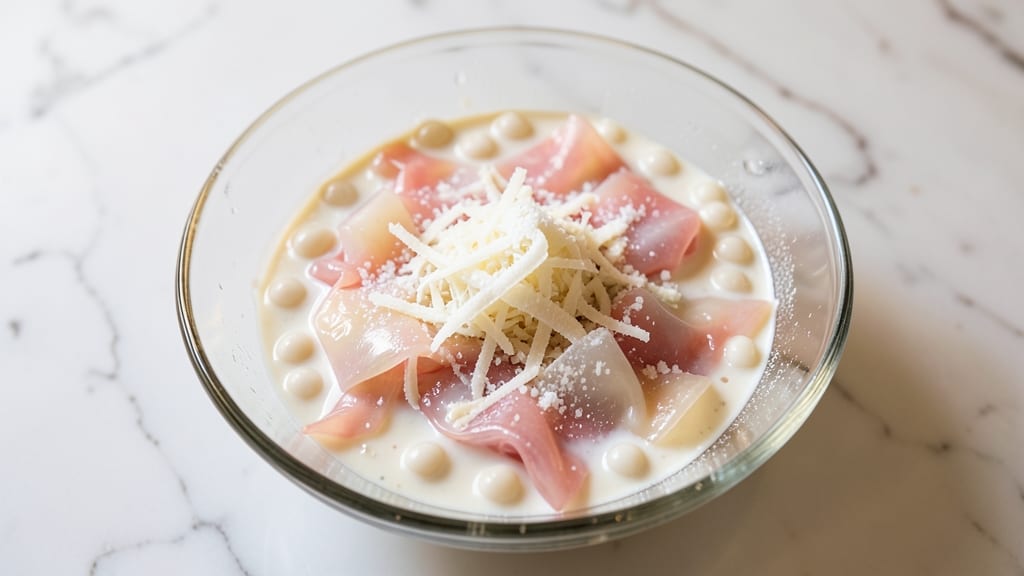
This buko sago gulaman salad delivers the perfect balance of chewy, jelly-like textures and tropical sweetness—ideal for both dessert and merienda cravings. 💛 The secret lies in soaking the gulaman properly and boiling the sago until it reaches that signature translucent, bouncy consistency.
I've tested countless variations, and this recipe consistently delivers the right mix of textures: tender coconut, chewy gulaman, and the delicate crunch of sago pearls.
The assembly is where the magic happens—layering the soaked ingredients with just enough sweetened coconut milk to bind everything together. Unlike many versions that rely on gelatin or artificial thickeners, this recipe uses natural ingredients to create that signature jelly-like texture.
The buko adds natural sweetness while keeping the salad light, making it a refreshing treat that's perfect for hot afternoons or as a light dessert.
What makes this salad truly special is how it transforms simple ingredients into something that looks as impressive as it tastes. The translucent gulaman strands, glossy sago pearls, and tender coconut create a visually stunning presentation that's perfect for gatherings or special occasions.
Plus, it's completely vegetarian and requires no baking—just careful preparation and a little patience.
Once assembled, the salad keeps beautifully in the fridge for up to 3 days, allowing the flavors to meld even more. For an extra touch, I often top it with a dollop of leche flan or crushed latik for added texture and richness.
The result is a dessert salad that feels indulgent but remains light enough to enjoy any time of day.
Ingredients for buko sago gulaman salad
Tropical textures and natural sweetness come together in this vibrant dessert salad.
| Ingredient | Amount | Notes |
|---|---|---|
| Gulaman (Agar-Agar Sheets) 🍬 | ½ oz | Cut into 1-inch pieces |
| Sago Pearls 🍡 | 1 cup | Uncooked, rinsed well |
| Young Coconut (Buko) 🥥 | 1 cup | Fresh, grated or finely chopped |
| Coconut Milk (Full-Fat, Canned) 🥥 | 1 can | 13.5 oz, unsweetened |
| White Sugar 🍚 | ¾ cup | Granulated, adjust to taste |
| Water 💧 | 1 ½ cups | Filtered preferred |
| Lemon Juice 🍋 | 1 tbsp | Freshly squeezed |
| Vanilla Extract 🌿 | ½ tsp | Pure vanilla preferred |
| Gelatin (Agar-Agar Powder) 🍬 | ¼ tsp | Vegan agar-agar substitute |
| Shredded Coconut (Sweetened) 🥥 | ¼ cup | Toasted lightly |
| Ube Halaya (Purple Yam Jam) 🍠 | ¼ cup | Store-bought or homemade |
| Latik (Crispy Coconut Curls) 🥥 | ¼ cup | Crushed for topping |
| Leche Flan (Optional) 🍮 | ½ cup | Chopped for garnish |
| Salt 🧂 | ¼ tsp | Fine sea salt |
The gulaman and sago pearls are the stars here—Filipino markets or Asian grocery stores carry the best quality, but check the packaging for freshness dates. The young coconut should be firm with no brown spots, and grating it yourself (if possible) adds that fresh, tropical burst. For the agar-agar, Goya or Marukyu brands are reliable, but any vegan agar-agar will work. The ube halaya can be store-bought (like Sweet Earth or Filipino brands), or you can make it from scratch with purple yam and coconut milk. Toast your shredded coconut lightly for extra flavor—just a minute in a dry pan until golden.
No agar-agar? Substitute with extra gulaman sheets (use 0.75 oz instead) or vegan gelatin at the same amount. Running low on sago pearls? Tapioca pearls work in a pinch, though they won’t be as translucent. The coconut milk can be swapped for light coconut cream if you prefer a richer texture, but stick to full-fat for the best mouthfeel. Fresh lemon juice is non-negotiable here—bottled won’t cut it. Lime juice works too, but lemon’s brightness shines through. For the ube halaya, if you can’t find it, purple sweet potato puree with a splash of coconut milk is a decent stand-in.
The sago pearls need 20 minutes of boiling—don’t rush this step, or they’ll stay hard. The gulaman soaks in hot water for just 5 minutes, so time it right. Once assembled, this salad keeps 3-4 days in the fridge, but the gulaman strands soften over time, so enjoy it within 2 days for that perfect chewy texture. For make-ahead prep, assemble everything except the toppings (ube, latik, leche flan) and store separately. The coconut milk mixture can be made a day ahead—just keep it refrigerated and stir well before mixing with the soaked ingredients.
Why You'll Love This Recipe
- No Boiling Nightmares: I’ve burned sago pearls before—this recipe soaks them overnight, so they’re ready in minutes. No hovering over a pot, no sticky mess, just perfect chewy bites every time.
- Tropical Chew Factor: That contrast? Crunchy gulaman slices, jelly-like sago, creamy buko—it’s like biting into a Filipino dessert cloud. The coconut milk ties it all together with that rich, familiar sweetness.
- Party in a Bowl: Honestly, this is my go-to for gatherings. Serve it chilled in individual cups for a no-fuss dessert, or pile it high in a big bowl for potlucks. Kids grab it first, adults keep coming back.
Step-by-step instructions for buko sago gulaman salad
Transform simple ingredients into a vibrant dessert with chewy gulaman, pearly sago, and creamy coconut goodness.
🍳 Step 1: Soak and Prepare the Gulaman and Sago
Cut the 0.5 oz gulaman (agar-agar sheets) into 1-inch pieces and place them in a heatproof bowl. Add 1.5 cups water and let them soak for 15 minutes until fully softened and translucent. Meanwhile, rinse 1 cup sago pearls thoroughly under cold water to remove excess starch, then soak them in 1 cup coconut milk for 30 minutes—this prevents them from breaking during cooking.
Here's the thing—proper soaking is everything. The gulaman should become pliable and nearly invisible in the water, while the sago should absorb enough liquid to hold its shape. If you skip this step, your textures will be uneven. Drain both ingredients after soaking, reserving the coconut milk for later use.
🔥 Step 2: Cook the Gulaman and Sago Mixture
In a medium saucepan, combine the soaked gulaman, drained sago pearls, 0.75 cup white sugar, 1 tbsp lemon juice, 0.5 tsp vanilla extract, and 0.25 tsp salt. Add 1 cup fresh young coconut (buko) and 0.25 cup ube halaya, stirring gently to distribute the purple yam jam evenly. Bring the mixture to a gentle boil over medium heat, then reduce to low heat and simmer for 12-15 minutes, stirring occasionally.
You'll notice the mixture thickens as it cooks—the sago should become translucent and the gulaman strands should lengthen slightly. The key is patience; if you boil it too vigorously, the gulaman will shrink and lose its jelly-like texture. Once the mixture reaches a soft, pudding-like consistency, remove it from heat and let it cool to room temperature.
🥘 Step 3: Prepare the Coconut Syrup Base
In a separate saucepan, combine the reserved 1 cup coconut milk from the sago soaking, 0.25 tsp agar-agar powder, and 0.25 cup water. Whisk until the agar-agar dissolves completely, then bring to a gentle simmer for 3-4 minutes until slightly thickened. Remove from heat and let it cool for 5 minutes—this creates a silky syrup that binds everything together.
While the syrup cools, lightly toast 0.25 cup shredded coconut in a dry skillet over low heat for 2-3 minutes until fragrant, then crush 0.25 cup latik (crispy coconut curls) into smaller pieces. These textures add the perfect crunch contrast to the creamy salad. The toasted coconut will develop a rich, nutty aroma that elevates the whole dish.
🥘 Step 4: Assemble the Salad Layers
In a large serving bowl or individual glasses, layer the cooled gulaman-sago mixture, ensuring the ube halaya swirls are visible for that stunning purple contrast. Gently fold in the cooled coconut syrup until fully incorporated, then stir in the 1 cup young coconut (buko). The salad should have a light, airy texture with visible strands of gulaman and translucent sago pearls.
For the final touch, sprinkle the toasted shredded coconut and crushed latik on top, then add 0.5 cup chopped leche flan if using. This optional layer adds a creamy custard element that balances the chewy textures. Serve immediately while the salad is still slightly warm for the best texture experience.
⏰ Step 5: Chill and Serve for Perfect Texture
Refrigerate the salad for at least 2 hours (or up to 4 hours) before serving. This chilling time allows the flavors to meld and the textures to set properly. When ready to serve, give it a gentle stir to redistribute any settled ingredients, then garnish again with extra latik and a drizzle of ube halaya if desired.
The magic happens during this resting period—the gulaman will firm up slightly while remaining tender, and the coconut syrup will thicken just enough to coat every component. Each bite should deliver a perfect harmony of jelly-like gulaman, pearl-like sago, creamy coconut, and crunchy latik, with the ube halaya adding a subtle sweetness that ties everything together.
Pro Tips For Making Buko Sago Gulaman Salad
- Soak Gulaman Properly: I learned this the hard way—don’t just drop gulaman sheets into boiling water and call it done. Soak them in cold water first for 10 minutes to soften, then simmer in fresh water (not the soaking liquid) on low heat for 5-7 minutes. High heat makes them rubbery, and you’ll end up with chewy strips instead of silky strands.
- Rinse Sago Pearls Twice: That extra rinse after cooking matters. Sago pearls absorb starch like sponges, and if you skip the second rinse under cold water, your salad will turn gluey. Trust me, your spoon will thank you—no more clumping or that weird paste texture.
- Shred Buko While Cold: Grab your buko straight from the fridge and shred it before adding it to the salad. Warm buko turns mushy fast, and you’ll end up with a watery mess. Work quickly, and if you’re lazy, freeze the coconut for 20 minutes first—it shreds cleaner and stays firmer longer.
- Balance Sugar Gradually: Dumping all the sugar at once makes the salad cloyingly sweet. Start with half the amount, taste, then adjust—you can always add more, but you can’t take it out. Coconut milk is rich enough that too much sugar kills the natural sweetness of the buko and sago.
Creative variations of this dish
Tropical Fruit Twist
Swap the ube halaya for mango or jackfruit puree—about 0.25 cup—to give your salad a brighter, fruitier profile. I love using ripe mangoes from my local farmers market, blended with a splash of coconut milk to thin it out.
The natural sweetness of the fruit reduces the need for extra sugar, making it a lighter option. For extra tropical flair, add diced pineapple (about 0.5 cup) to the final assembly. 🥭
Chocolate-Dipped Sago
For a decadent twist, swap half the sago pearls with chocolate-dipped sago. Melt 4 oz dark chocolate (70% cocoa) with 1 tbsp coconut oil over a double boiler, then carefully dip 0.5 cup sago pearls in the mixture.
Let them cool on parchment paper before adding to your salad. The rich chocolate pairs surprisingly well with the coconut and buko, creating a dessert-within-a-dessert effect. 🍫
Coconut Milk Variations
Experiment with different coconut milk bases to change the salad's richness. For a lighter version, use light coconut milk instead of full-fat, reducing the sugar to 0.5 cup. For extra decadence, stir in 1 tbsp toasted coconut butter after cooking.
I also love adding a pinch of cinnamon (¼ tsp) or vanilla bean paste for depth. Each variation changes the mouthfeel while keeping the signature textures intact. 🥥
Savory-Sweet Balance
Add a surprising savory element by folding in ½ cup toasted coconut flakes mixed with 1 tsp salt and 1 tsp toasted sesame seeds. The saltiness cuts through the sweetness, creating a more complex flavor profile.
For an Asian-inspired twist, add 1 tsp pandan extract to the coconut syrup base—it adds a floral aroma that pairs beautifully with the tropical flavors. 🌿
Layered Presentation
Take your salad to the next level with a layered serving style. In individual glasses, alternate layers of gulaman strands, ube halaya swirls, and sago pearls before adding the coconut mixture. Top each with a dollop of leche flan and crushed latik for a restaurant-worthy presentation.
This method makes it perfect for parties or special occasions, where visual appeal matters as much as taste. ✨
Nutrition facts
Frequently asked questions
Can I make this salad without agar-agar powder?
Simply increase your gulaman sheets to 0.75 oz (instead of 0.5 oz) and skip the agar-agar powder entirely. The extra gulaman will provide the same jelly-like texture without needing additional thickening agents. Just soak them for the full 15 minutes to ensure they soften properly.
How do I find fresh young coconut (buko) if I don't have access to Filipino markets?
Look for green coconuts at your local grocery store—these are the unripe ones that make perfect buko. Choose ones that are firm and heavy for their size, with no brown spots. The water inside should be clear and sweet. If you can't find fresh buko, frozen young coconut (available in Asian markets or online) works well too—just thaw it before using.
What's the best way to store leftovers?
Store the fully assembled salad in an airtight container in the fridge for up to 3 days. The gulaman will soften slightly over time, but the flavors actually improve after chilling. For best texture, serve within 2 days. Keep toppings like leche flan and latik separate until serving to maintain their freshness.
Can I make this salad ahead of time for a party?
Yes! Prepare all components separately up to 2 days ahead: soak the gulaman and sago, cook the coconut syrup, and grate the buko. Store them in separate containers in the fridge. When ready to serve, simply assemble everything and chill for 2 hours before garnishing. This method saves time and keeps the textures perfect.
Why did my sago pearls turn cloudy instead of translucent?
Cloudy sago usually means they weren't rinsed well before cooking or boiled for too short a time. Always rinse them thoroughly under cold water first, then soak in coconut milk for 30 minutes before cooking. They need 20 minutes of gentle boiling to become translucent—don't rush this step! If they're still cloudy, try boiling them again with fresh water.