Sauces & Condiments
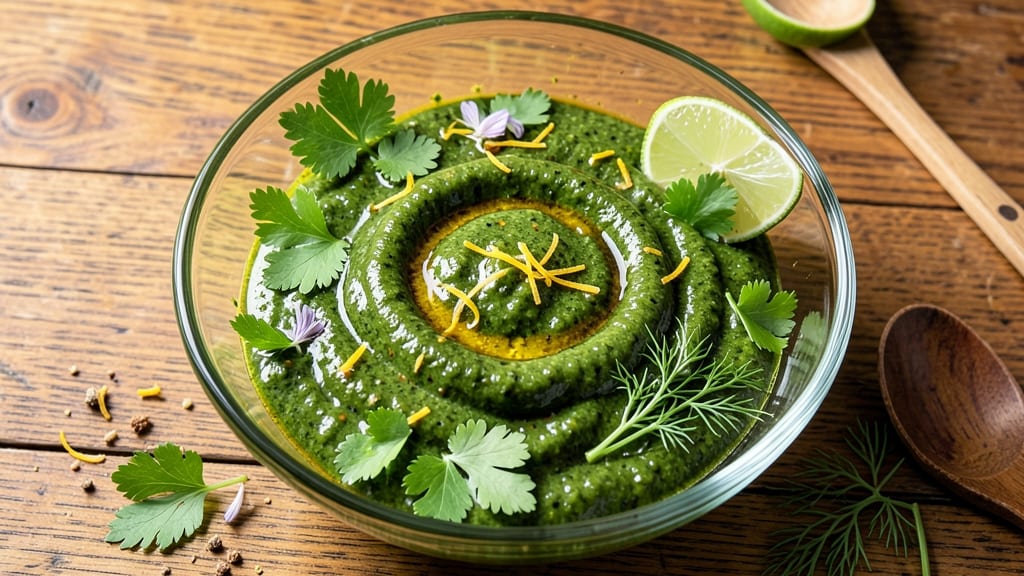
This bright herb vinaigrette transforms broccoli and kale salads from bland to bold with just five simple ingredients and a zesty lime twist. ✨ I developed this dressing after realizing store-bought versions lacked the freshness and depth I craved in my grandmother's garden-inspired salads.
The secret lies in balancing tangy apple cider vinegar with citrusy lime juice, creating a dressing that clings beautifully to leafy greens while enhancing their natural flavors.
The recipe comes together in minutes using basic pantry staples: extra-virgin olive oil, Dijon mustard, and a blend of fresh herbs like parsley and dill.
What makes this dressing special is how it elevates even the simplest salad ingredients—broccoli's natural sweetness and kale's earthy bite become the stars when paired with this vibrant, herbaceous sauce. The lime adds a refreshing brightness that cuts through the richness of the oil.
What you'll achieve is a dressing that's perfectly balanced—tangy yet not overpowering, creamy without dairy, and bright enough to stand up to hearty greens. It keeps well in the refrigerator for up to five days, making it perfect for weekly salad prep.
The texture is silky-smooth, clinging beautifully to every leaf while adding layers of flavor with each bite.
This versatile dressing works equally well on other green salads, grain bowls, or even as a marinade for tofu or grilled vegetables. The recipe scales easily, so you can make a large batch for the week. Let's create this dressing that brings freshness and brightness to every meal.
Ingredients for broccoli kale salad dressing
Five simple ingredients transform this dressing into a flavor powerhouse for crisp greens.
| Ingredient | Amount | Notes |
|---|---|---|
| Extra-Virgin Olive Oil 🫒 | ½ cup | High-quality, fruity variety |
| Apple Cider Vinegar 🍎 | ¼ cup | Raw, unfiltered preferred |
| Fresh Lime Juice 🍋 | ¼ cup | Freshly squeezed, no pulp |
| Dijon Mustard 🌶️ | 1 tbsp | Mild or hot, no sugar added |
| Fresh Parsley Leaves 🌿 | ¼ cup | Finely chopped, stems removed |
| Fresh Dill Leaves 🌿 | ¼ cup | Finely chopped, stems removed |
| Garlic Cloves 🧄 | 2 cloves | Minced, fresh preferred |
| Maple Syrup 🍁 | 1 tbsp | Pure, grade B preferred |
| Sea Salt 🧂 | ½ tsp | Fine grain preferred |
| Black Peppercorns 🌶️ | ¼ tsp | Freshly cracked preferred |
The olive oil is the base—look for extra-virgin with a fruity aroma, not that cheap, bitter stuff. Trader Joe's and Whole Foods carry great options, but any decent bottle works. Fresh herbs are key here, so grab a bunch of parsley and dill from the grocery store's produce section—they should smell vibrant, not wilted. Apple cider vinegar? The raw, unfiltered kind has more depth. I usually grab mine from Bragg or the bulk bins at Sprouts. The lime juice needs to be fresh—bottled just won't cut it. If you're using a lot of limes, Mexican limes are more flavorful than Persian ones.
No fresh herbs? Dried parsley and dill at half the amount will work in a pinch, but it won't be as bright. Short on maple syrup? Agave nectar is a 1:1 swap, or even a touch of honey if you're not strictly vegan. The garlic can be roasted for a sweeter flavor—just toss whole cloves in the oven at 400°F for 10 minutes before mincing. For extra tang, add a splash more vinegar. Want it sweeter? Add another teaspoon of maple syrup. The dressing keeps well for up to 1 week in the fridge, so make extra—it's perfect for meal prep.
This dressing clings beautifully to greens, so it's perfect for broccoli and kale salads. Store it in a glass jar with a tight lid to keep the flavors fresh. If it thickens, just stir in a splash of water. The flavors actually improve after sitting for a few hours, so make it the night before if you can. It's also great as a marinade for tofu or grilled veggies—just toss everything in a bowl and let it sit for 15 minutes.
Why You'll Love This Recipe
- No-Fuss Whisking: I swear by this dressing because it’s just five ingredients, no blender required. Toss everything into a jar—olive oil, vinegar, lime, mustard, parsley—and shake like you’re trying to win a game show. Done. No measuring cups, no stress, just vibrant flavor.
- Bright Tangy Magic: That lime juice and apple cider vinegar combo? It’s the secret weapon here. The mustard adds a little depth, but the parsley keeps it fresh—like a zesty hug for your greens. Honestly, it’s the kind of dressing that makes even plain kale and broccoli feel like a celebration.
- Meal Prep MVP: This dressing keeps for a week in the fridge, and it’s perfect for bulking up salads, grain bowls, or even drizzling over roasted veggies. I make a big batch on Sundays so I’m never scrambling for something to brighten up a quick lunch. (Yes, even on a Tuesday night.)
- Budget Brightener: Extra-virgin olive oil and lime juice might sound fancy, but they stretch far—way more than store-bought dressings. Plus, a little goes a long way, so you’re not drowning your greens in expensive oil. My wallet and my salads both win.
Step-by-step instructions for bright herb vinaigrette
This zesty dressing comes together in minutes with simple ingredients you likely already have.
👨🍳 Step 1: Whisk Together Wet Ingredients
In a medium bowl, combine the 0.5 cup extra-virgin olive oil, 0.25 cup apple cider vinegar, and 0.25 cup fresh lime juice. Start with a whisk and mix until everything is fully incorporated. You'll notice the vinegar and lime juice will initially separate from the oil, but keep whisking—they'll eventually emulsify into a smooth base.
This is where the magic begins. The acidity from the vinegar and lime cuts through the richness of the olive oil, creating that perfect balance we're after. I like to use a whisk for this step because it incorporates air, which helps create a lighter dressing that won't weigh down your salad.
🍳 Step 2: Add Mustard, Sweetener, and Aromatics
Next, stir in the 1 tbsp Dijon mustard, 1 tbsp maple syrup, and 2 minced garlic cloves. The mustard acts as our emulsifier, helping to bind the oil and vinegar together. The maple syrup adds just enough sweetness to complement the tangy flavors, while the garlic brings that aromatic depth we all love in dressings.
Here's the thing—don't skip the garlic. It might seem like a small amount, but it makes a big difference in flavor. If you're using fresh garlic, make sure it's minced finely so it distributes evenly throughout the dressing. You want every bite of your salad to taste like it's got that garlic punch.
🥘 Step 3: Season and Incorporate Fresh Herbs
Add the 0.5 tsp sea salt, 0.25 tsp freshly cracked black peppercorns, 0.25 cup finely chopped fresh parsley leaves, and 0.25 cup finely chopped fresh dill leaves. The herbs should be finely chopped—you want small pieces that distribute evenly. Give everything a good stir with a spoon to make sure the herbs are well incorporated.
This is where the dressing really starts to come alive. The parsley and dill add that fresh, bright herbaceousness that pairs perfectly with broccoli and kale. The salt and pepper balance the flavors, making sure nothing is too overpowering. Taste as you go—you might want to adjust the salt or lime juice to your preference.
⏰ Step 4: Let It Rest and Shake Before Serving
Cover the bowl and let the dressing sit at room temperature for 10-15 minutes. This resting period allows the flavors to meld together, creating a more cohesive taste. After resting, give it a good shake or stir—sometimes the ingredients separate slightly, and this ensures everything is well combined before you drizzle it over your salad.
I know it's tempting to use the dressing immediately, but trust me, letting it sit makes a difference. The flavors develop and deepen, giving you that restaurant-quality taste. Once it's ready, store any leftovers in an airtight container in the refrigerator for up to 5 days, shaking well before each use.
Pro Tips For Making Broccoli Kale Salad Dressing
- Whisk in Stages: Start with the mustard and vinegar—this prevents a sudden, lumpy mess when you add the oil. After that, drizzle in the olive oil slowly while whisking like you’re trying to win a bet. I learned this the hard way when I dumped everything in at once and ended up with a greasy, uneven emulsion.
- Use Cold Lime Juice: Fresh lime juice straight from the fridge is sharper and brighter than room-temperature juice. Let the lime sit in cold water for 10 minutes before juicing—it’s a small detail, but it makes the dressing taste like it was made yesterday, not yesterday.
- Measure the Mustard: Too much Dijon mustard and the dressing turns bitter; too little and it lacks body. Stick to 1 teaspoon per 3 tablespoons of vinegar—this balances the acidity without overpowering. I used to eyeball it, and my dressings always leaned too sharp.
- Chill Before Serving: This isn’t a quick drink—let the dressing sit in the fridge for at least 30 minutes before tossing it with the salad. The flavors meld, and the oil fully emulsifies, so it clings to the greens instead of pooling at the bottom. (Yes, even if you’re impatient like me.)
Essential equipment for broccoli kale salad dressing
Whisk Essentials
You don’t need anything fancy here—just a good French whisk or balloon whisk with sturdy wires. I use my OXO Good Grips whisk because it’s lightweight yet durable, and the angled handle makes mixing easier on my wrists.
For smaller batches, a mini whisk (like the Kitchy brand) works perfectly. Avoid cheap plastic whisks—they bend and don’t incorporate air well, which affects the dressing’s lightness. 💛
Measuring Tools
Precision matters for balance, so grab a liquid measuring cup for the oil, vinegar, and lime juice—glass is best for visibility. For the mustard, maple syrup, and spices, a small measuring spoon set (like Weston or Kitchy) keeps things accurate.
I keep a spice grinder nearby to crack fresh black peppercorns—pre-ground pepper loses its punch. A microplane for garlic is a game-changer if you want ultra-fine mincing without the mess.
Storage Containers
After making this dressing, transfer leftovers to a glass jar or airtight container—I swear by Le Parfait jars for salads. They’re leak-proof and stackable, plus the wide mouth makes stirring easy. For meal prep, I use mason jars with silicone lids—they’re sturdy and look pretty on the table.
Avoid plastic containers for long-term storage; the dressing can absorb odors over time. Label your container with the date to track freshness.
Herb Prep Tools
Fresh herbs need proper prep, so keep a sharp chef’s knife (like Mercer Culinary) and a cutting board (I love Teakhaus for durability) handy. A herb scissors (like OXO Good Grips) makes quick work of parsley and dill stems—no knife skills required.
For extra efficiency, toss herbs into a food processor with the pulse function for finely chopped results. Just don’t over-process, or you’ll turn them into paste! 🌿
Optional Upgrades
If you’re dressing-making often, consider a small immersion blender (like Magic Bullet) for ultra-smooth textures—just blend briefly to avoid turning the dressing into soup. A garlic press saves time if you hate mincing, though I still prefer fresh minced garlic for flavor.
For flavor testing, a small tasting spoon (like Kitchy’s) keeps your fingers clean while you adjust seasoning. These aren’t must-haves, but they make the process even easier.
Nutrition facts
Frequently asked questions
Can I make this dressing without fresh herbs? For a quick substitute, use 1 tbsp dried parsley and 1 tbsp dried dill instead of the fresh versions. The flavor won't be as vibrant, but it'll still taste delicious. If you're missing herbs entirely, try adding 1 tsp dried basil or 1 tsp dried oregano for a different but equally tasty profile. Just
How do I fix dressing that's too thick or separated?
If your dressing separates, simply whisk or shake it vigorously to re-emulsify. For thickness, stir in 1-2 teaspoons of water at a time until it reaches your desired consistency. If it's too thin, add 1 teaspoon of Dijon mustard or another 1 tablespoon of olive oil to help bind it together. The key is patience—let it sit for 5 minutes after adjustments to see if it improves.
What's the best way to store leftover dressing?
Transfer leftovers to a clean, airtight glass jar or container and store in the refrigerator for up to 5 days. The dressing may thicken slightly when cold, so give it a good shake or stir before using. For longer storage, you can freeze it in ice cube trays—just thaw overnight in the fridge before using. Always keep it away from strong-smelling foods to prevent flavor transfer.
Can I use this dressing on other salads or dishes?
This versatile dressing works beautifully on any leafy green salad, grain bowls, or even as a marinade for tofu or grilled vegetables. It also pairs well with roasted sweet potatoes, avocado slices, or quinoa salads. For a unique twist, try drizzling it over warm baked potatoes or using it as a dip for veggie sticks. The bright flavors complement both savory and slightly sweet dishes perfectly.
Why does my dressing taste too tangy or not tangy enough?
Adjust the tang by adding more or less apple cider vinegar or lime juice. For a milder taste, add 1 teaspoon of maple syrup or 1 teaspoon of agave nectar. If it's too sweet, balance it with a splash more vinegar or a pinch of salt. Remember, taste as you go—you can always adjust, but you can't take it back once it's too extreme!