
Salads
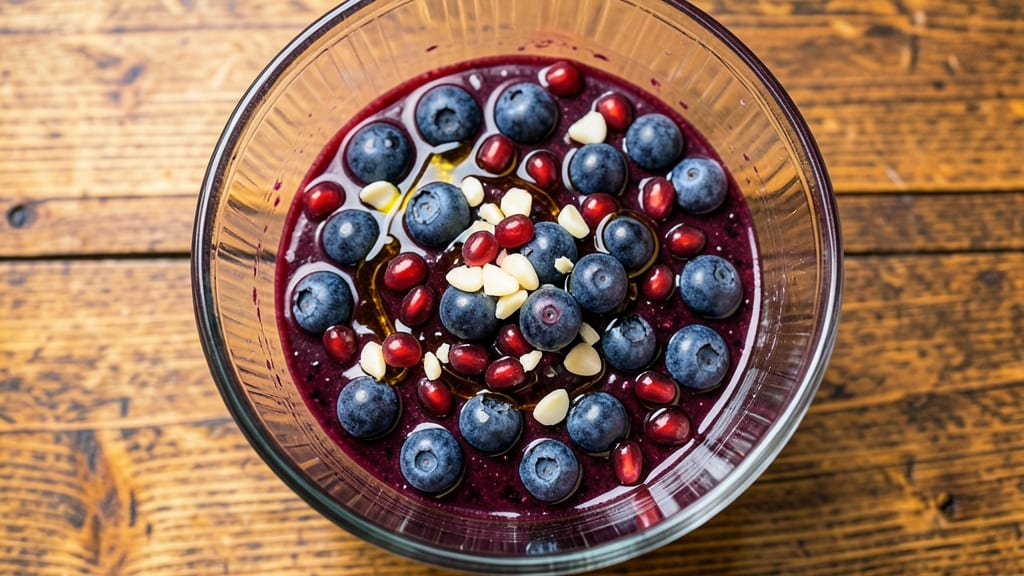
This blueberry pomegranate salad dressing recipe transforms simple greens into a vibrant, tangy masterpiece—no cooking required. 💫 The secret lies in balancing tart blueberries, jewel-like pomegranate seeds, and a touch of honey or maple syrup for depth, creating a dressing that elevates any salad while staying refreshingly light.
Perfect for summer meals, this recipe delivers restaurant-quality flavor with just five ingredients and five minutes of prep.
What sets this dressing apart is its versatility—it works as a bold salad topper, a tangy marinade for grilled chicken, or even a drizzle over fresh fruit. The combination of blueberries and pomegranate adds natural sweetness and texture, while the citrus and garlic bring brightness and complexity.
Unlike store-bought dressings, this one stays fresh for up to a week in the fridge, making it ideal for meal prep.
The result is a dressing that’s bright, balanced, and bursting with color—each bite delivers a perfect harmony of tartness, sweetness, and herby freshness.
Whether you’re serving a summer salad, pairing it with grilled proteins, or using it as a dip, this recipe is your go-to for adding depth without overpowering your dish. Ready to elevate your meals?
Best of all, this dressing is naturally vegan (use maple syrup instead of honey) and requires no cooking, making it a quick, foolproof addition to any meal. Let’s get started!
Ingredients for blueberry pomegranate salad dressing
Five vibrant ingredients transform into a dressing so bright, it’ll make your salads look like edible art.
| Ingredient | Amount | Notes |
|---|---|---|
| Fresh Blueberries 🫐 | ½ cup | Firm, unblemished berries preferred |
| Pomegranate Seeds 🍇 | ½ cup | Freshly squeezed from fruit |
| Extra-Virgin Olive Oil 🫒 | ½ cup | Light, fruity variety recommended |
| Fresh Lemon Juice 🍋 | ¼ cup | Strain seeds for clarity |
| Minced Garlic Cloves 🧄 | 2 cloves | Freshly minced for potency |
| Maple Syrup 🍁 | 1 ½ tbsp | Grade B for deeper flavor |
| Fresh Dill Fronds 🌿 | ¼ cup | Finely chopped for herby touch |
| Apple Cider Vinegar 🍎 | 1 ½ tbsp | For tangy brightness |
| Sea Salt 🧂 | ½ tsp | Diamond Crystal preferred |
The blueberries and pomegranate seeds are your flavor anchors—look for deep purple-blue berries and plump, jewel-like seeds at the grocery store. Whole Foods or local farmers markets often carry the freshest varieties. If you can’t find fresh pomegranate seeds, Trader Joe’s pre-packaged seeds work in a pinch, though fresh is always better. For the olive oil, California avocado oil or Italian extra-virgin adds the perfect fruity backbone. Don’t skip the garlic—freshly minced cloves make all the difference, and you can’t beat the aroma of a just-opened bag of organic garlic from the produce section.
No fresh blueberries? Frozen work just fine—thaw and drain them first. Swap pomegranate seeds for dried cranberries at half the amount if you’re in a bind, though the texture won’t be the same. Prefer a sweeter dressing? Add an extra tablespoon of maple syrup. For extra tang, balsamic vinegar works too, but stick with apple cider for that classic brightness. The dill is non-negotiable—dried dill at one-third the amount is a decent swap, but fresh gives that unmistakable herby punch. If you’re making this ahead, store the dressing without the dill and add it fresh before serving to keep those vibrant green notes popping.
This dressing stays fresh for up to 7 days in the fridge, but the flavor actually improves after the first 24 hours as everything melds together. Store it in a glass jar with a tight-sealing lid—it’s perfect for meal prep, and you’ll want to make extra. If you’re using it as a marinade, keep it for no more than 2 days in the fridge for best results. The pomegranate seeds and blueberries add natural sweetness, so you can adjust the maple syrup to taste. Pro tip: Drizzle over grilled chicken or roasted veggies for a showstopping finish—trust me, it’s worth the extra minute to toss everything together.
Why You'll Love This Recipe
- No Blender Needed: I swear by this—just toss whole blueberries and pomegranate seeds in a jar with olive oil, lemon, and garlic, then crush them with a spoon. No pulpy mess, no cleanup, just a smooth, jammy dressing that tastes like summer.
- Sweet-Savory Magic: That first bite of tart lemon, bright pomegranate crunch, and garlicky richness? It’s the kind of flavor that makes you pause mid-bite. Honestly, I’ve used it on everything from grilled chicken to avocado toast, and it never lets me down.
- Weeknight Workhorse: This dressing keeps for days in the fridge—perfect for when you’re prepping meals ahead. Drizzle it on salads, toss it with roasted veggies, or even stir it into yogurt for a breakfast boost. It’s my go-to when I’m too tired to think.
- Budget Brightener: Pomegranate seeds and blueberries might sound fancy, but they stretch far when you’re blending them into dressing. A little goes a long way, and you’ll use up those overripe berries before they spoil. (Yes, even on a Tuesday night.)
Step-by-step instructions for blueberry pomegranate salad dressing
Here's how to blend vibrant flavors into a dressing that's quick, bright, and bursting with summer freshness.
👨🍳 Step 1: Prep All Ingredients for Maximum Flavor
Start by rinsing the 0.5 cup fresh blueberries and patting them completely dry. Remove any stems or bruised spots—you want only the plumpest berries for that perfect pop of tartness. In a separate bowl, gently press the 0.5 cup pomegranate seeds with the back of a spoon to release any hidden juices, but don't pulverize them. The seeds should remain whole for that signature crunch.
Next, finely chop the 0.25 cup fresh dill fronds using a sharp knife—you want tiny pieces that will distribute evenly but still deliver that bright herbal punch. Mince the 2 cloves garlic cloves into a paste using the flat side of your knife for maximum potency. Measure out the 0.5 cup extra-virgin olive oil, 0.25 cup fresh lemon juice, 1.5 tbsp maple syrup, 1.5 tbsp apple cider vinegar, and 0.5 tsp sea salt into a small pitcher or bowl.
🥘 Step 2: Combine Wet Ingredients for a Silky Base
Pour the 0.5 cup extra-virgin olive oil into a high-quality blender or food processor. Add the 0.25 cup fresh lemon juice and 1.5 tbsp apple cider vinegar, then pulse briefly to combine. The lemon juice should immediately brighten the oil, creating a golden liquid that smells tangy and inviting.
With the blender running on low speed, slowly drizzle in the 1.5 tbsp maple syrup while adding the 2 cloves minced garlic cloves and 0.5 tsp sea salt. Blend just until everything is fully incorporated—about 15-20 seconds. You want a smooth, emulsified base that coats the back of a spoon. This step ensures all flavors meld together perfectly before adding the fruit.
🍳 Step 3: Blend in Fruits and Herbs for Vibrant Texture
Add the prepared 0.5 cup fresh blueberries and 0.5 cup pomegranate seeds to the blender. Pulse in short bursts—3-4 times total—just until the blueberries break down slightly but still retain some texture. You're aiming for a dressing that's creamy yet still has that delightful bite from the whole seeds and berries.
Finally, add the 0.25 cup finely chopped fresh dill fronds and give it one final pulse to distribute evenly. Taste immediately—you should notice the bright citrus, sweet maple, and herbal dill all working together. If the dressing tastes too tart, add a pinch more of the 0.5 tsp sea salt or a drizzle of the 0.5 cup extra-virgin olive oil to balance it.
⏰ Step 4: Rest and Adjust for Perfect Consistency
Transfer the dressing to a clean jar or bottle with a tight-fitting lid. Let it sit at room temperature for 10-15 minutes—this resting period allows all the flavors to truly meld together. The colors will deepen from a pale pink to a rich, jewel-toned purple as the juices from the blueberries and pomegranate seeds fully infuse.
Before using, give it one final taste and adjust the balance if needed. Need more sweetness? Add a tiny drizzle of maple syrup. Too thick? Thin with a splash of water or more lemon juice. The dressing should coat the back of a spoon but still flow freely. This vibrant, fruity dressing keeps well in the refrigerator for up to 1 week, making it perfect for quick salads or drizzling over grilled meats.
Pro Tips For Making Blueberry Pomegranate Salad Dressing
- Pulse the Berries: Pulse those blueberries and pomegranate seeds in short bursts—5-6 seconds at a time—until they’re just broken down, not turned into a paste. Over-processing turns your dressing into jam; you want texture, not mush.
- Use a Microplane for Garlic: Skip the mincer and grate the garlic with a microplane—it releases more flavor without the harsh bite. One teaspoon of grated garlic (about 2 cloves) is enough; don’t overdo it or the dressing will taste like a garlic press exploded.
- Balance the Oil First: Add the olive oil before the lemon juice and taste. The oil mellows the acid—if it’s too sharp, you’ll need more oil, not more lemon. Start with 3 tablespoons of oil for every 2 tablespoons of juice, then adjust.
- Strain the Seeds: Unless you love chewing pomegranate membranes, strain the dressing through a fine-mesh sieve after blending. It’s a 30-second task that keeps the dressing silky, not gritty. (Yes, even if you’re impatient like me.)
Perfect pairings for these flavors
Salad Pairings
This dressing shines on mixed greens salads like arugula, spinach, or butter lettuce, where its vibrant colors pop against the green backdrop. I love tossing it with shredded kale and thinly sliced fennel for a refreshing, slightly sweet bite.
For a heartier option, pair it with quinoa salad or roasted sweet potatoes—the dressing’s acidity cuts through the richness beautifully. 🥗
Protein Pairings
Drizzle this dressing over grilled chicken breast or salmon fillets for a tangy, fruity finish that complements the smoky flavors. It also works as a marinade—coat shrimp skewers or tofu cubes in it for 15-20 minutes before grilling.
The blueberries and pomegranate seeds add natural sweetness that caramelizes beautifully on the grill. 🍗
Cheese Boards
Use this dressing as a dip for soft cheeses like goat cheese or ricotta on a cheese board. The bright acidity balances the creaminess, while the fruit seeds add texture.
I also love pairing it with aged cheddar or blue cheese for a bold contrast. A sprinkle of toasted walnuts or crispy prosciutto elevates it to party-worthy perfection. 🧀
Fruit & Veggie Dips
This dressing doubles as a dip for crudités like cucumbers, bell peppers, or carrot sticks. Its vibrant color makes it irresistible, and the sweet-tart balance pairs perfectly with hummus or guacamole on a shared platter.
For a dessert twist, drizzle it over fresh berries or sliced mango—it’s a refreshing, light topping that adds depth. 🍉
Grilled & Roasted Veggies
Toss roasted Brussels sprouts or grilled zucchini in this dressing after cooking for a burst of flavor. The acidity in the vinegar and lemon juice cuts through the charred edges, while the fruit adds natural sweetness.
I also love using it as a drizzle over roasted beets or asparagus spears—it’s a game-changer for elevating simple sides. 🌱
Breakfast Twist
Don’t stop at salads! Use this dressing as a topping for avocado toast or yogurt parfaits—the fruity tang balances the creaminess perfectly. Drizzle it over smoothie bowls with granola and berries for a vibrant, flavor-packed breakfast. Even a sprinkle on scrambled eggs adds a surprising sweet-savory note. 🍳
Nutrition facts
Frequently asked questions
Can I use this dressing on non-salad dishes?
This dressing works beautifully as a marinade for grilled chicken, shrimp, or tofu—just coat for 15-20 minutes before cooking. It also makes a stunning drizzle over roasted vegetables or grilled fish, adding vibrant color and tangy sweetness. Even breakfast gets an upgrade with a drizzle on avocado toast or yogurt parfaits.
How do I make this dressing spicier?
Add a pinch of red pepper flakes or ½ teaspoon of cayenne pepper to the base before blending. For a smoky kick, swap ½ teaspoon of smoked paprika for the regular dill. Always taste first—start small, as spices intensify when mixed with citrus and fruit. Store any spicy additions separately so you can adjust to taste later.
Can I substitute pomegranate seeds with something else?
Yes! For a similar texture, use ½ cup dried cranberries (chopped) or ¼ cup sun-dried tomatoes (oil-packed, chopped). For a sweeter alternative, try ½ cup chopped dried apricots. Just reduce the maple syrup by ½ tablespoon since dried fruits are naturally sweeter. Fresh pomegranate seeds give the best flavor, but these work in a pinch.
Why did my dressing separate?
Separation usually happens when the oil and liquid ingredients aren't properly emulsified. Pulse the dressing again briefly in your blender, then add 1 teaspoon of Dijon mustard or 1 tablespoon of lemon juice to help bind it. If it still separates, stir vigorously before using—this dressing is meant to have a light, textured quality, so slight separation is normal for some uses.
How do I make this dressing nut-free?
This recipe is already nut-free! The ingredients focus on fruits, herbs, and citrus with no nuts. For extra safety, double-check your olive oil and maple syrup labels—some brands process products in facilities with nuts. If you're serving guests with allergies, consider making it fresh in their presence to avoid cross-contamination.