
Salads
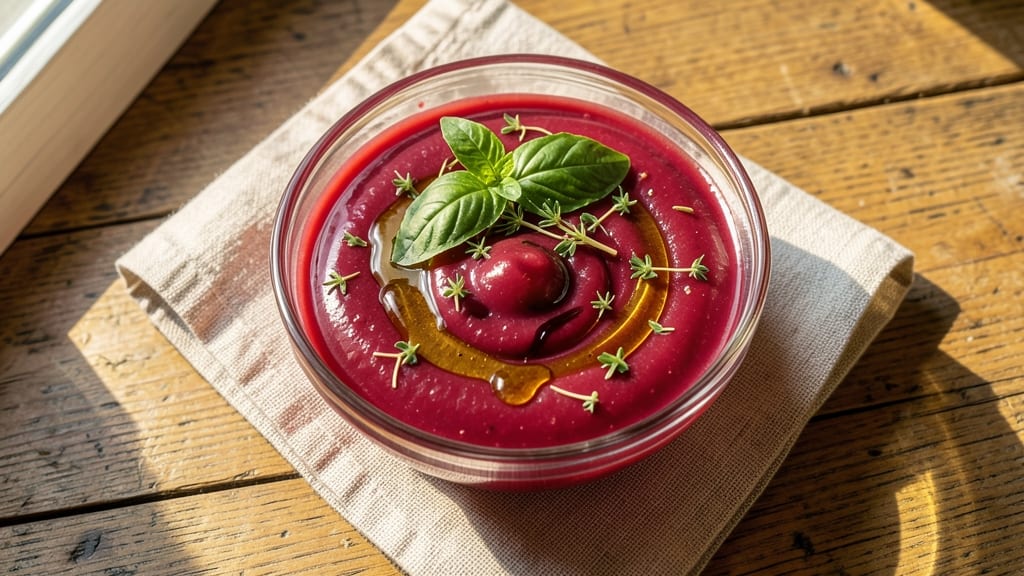
This blood orange salad dressing recipe transforms ordinary greens into a vibrant, tangy masterpiece that brightens any dish. The deep ruby hue and complex citrus notes—sweet, tart, and slightly floral—elevate salads, seafood, and even roasted vegetables to restaurant-quality levels.
I developed this recipe after realizing store-bought dressings couldn't match the depth of fresh blood orange juice and zest.
The secret lies in balancing the dressing's components: blood orange juice for acidity, extra virgin olive oil for richness, and a touch of honey to soften the tartness.
Fresh herbs like thyme or basil add aromatic complexity, while a splash of red wine vinegar ensures the dressing stays bright and tangy. Unlike bottled versions, this dressing's flavor intensifies as it sits, making it perfect for meal prep.
What you'll end up with is a velvety, emulsified dressing with a bold citrus pop that clings beautifully to greens while enhancing the natural flavors of your ingredients. The dressing's versatility shines—drizzle it over arugula salads, toss with grilled shrimp, or use it as a marinade for chicken.
Its vibrant color alone makes any dish look and taste more sophisticated.
This recipe requires just 10 minutes to mix and 5 minutes to rest, making it ideal for busy weeknights. The ingredients are simple—blood orange juice, olive oil, vinegar, honey, and fresh herbs—but their combination creates a dressing that's far more complex than store-bought alternatives.
Let's make this dressing that will become your go-to for bright, flavorful meals.
Ingredients for blood orange salad dressing
Nine vibrant ingredients transform into a restaurant-worthy dressing with bold citrus notes and velvety texture.
| Ingredient | Amount | Notes |
|---|---|---|
| Fresh Blood Orange Juice 🍊 | ½ cup | Freshly squeezed, seeds removed |
| Extra-Virgin Olive Oil 🫒 | ½ cup | Cold-pressed, fruity variety preferred |
| Red Wine Vinegar 🍷 | 2 tbsp | Dry, aged variety for brightness |
| Raw Honey 🍯 | 1 tbsp | Light floral honey preferred |
| Fresh Thyme Leaves 🌿 | ¼ cup | Finely chopped, stems removed |
| Fresh Basil Leaves 🌿 | ¼ cup | Finely chopped, stems removed |
| Diamond Crystal Kosher Salt 🧂 | ¼ tsp | Fine grain for delicate seasoning |
| Freshly Ground Black Pepper 🌶️ | ⅛ tsp | Freshly cracked for aroma |
| Blood Orange Zest 🍊 | 1 tbsp | Finely grated, aromatic peel |
The blood orange juice is the heart of this dressing—freshly squeezed delivers the deepest ruby hue and most complex flavor profile. Whole blood oranges from specialty grocers like Whole Foods or Trader Joe's yield the best juice, but any fresh blood orange works. For zest, use only the vibrant orange peel—avoid any white pith. The extra-virgin olive oil should be cold-pressed and fruity (avoid mild varieties), as its quality directly impacts the dressing's richness. California Avocado Ranch or Colavita brands excel here. Fresh herbs are non-negotiable—dried thyme or basil simply can't replicate their aromatic punch, though you could use one-third the amount in a pinch.
No blood orange juice? Substitute with a blend of fresh orange and grapefruit juice (1:1 ratio) for similar tartness, though the color will differ. For the honey, agave nectar or maple syrup work equally well in a 1:1 swap, though they'll slightly alter the dressing's depth. Vinegar substitutes? Balsamic vinegar adds sweetness while lemon juice provides a brighter acidity. The herbs can be adjusted—tarragon or parsley work beautifully as alternatives. For a more robust flavor, add 1 tsp Dijon mustard to help emulsify the dressing, though it's not traditional. Always taste as you go—the dressing should balance sweet, tart, and herbal notes harmoniously.
This dressing peaks in flavor after 30 minutes to 1 hour of resting, allowing the emulsification to fully develop. Store in an airtight glass jar in the refrigerator for up to 1 week, though it's best used within 3-4 days for optimal freshness. The vibrant color may darken slightly over time, but the flavor remains bright. For meal prep, make a double batch—it keeps beautifully and elevates multiple salads. If the dressing separates, simply whisk vigorously to re-emulsify before using. The dressing's versatility extends beyond salads—drizzle over grilled vegetables, seafood, or even use as a marinade for chicken.
Why You'll Love This Recipe
- No Blender Required: The only tools you’ll need are a whisk and a jar—just shake it all together. I swear by this method: the blood orange juice and olive oil emulsify perfectly without any fuss, and you won’t have to scrub a blender afterward.
- Taste Like a Sunset: That deep, berry-like sweetness from the blood orange juice? It’s like a bright red sunset in your mouth, but with a sharp kick from the red wine vinegar and a honeyed finish that makes every bite feel special. Honestly, it’s the kind of dressing that makes a simple salad taste like a restaurant dish.
- Weeknight to Holiday: Drizzle it over a quick kale salad for dinner, toss it with roasted veggies for a party platter, or even use it as a marinade for grilled chicken. Between us, I’ve served it at everything from lazy Monday lunches to Thanksgiving side dishes—it’s that versatile.
- Makes a Week’s Worth: This dressing keeps beautifully in the fridge for up to five days, and the flavors actually deepen over time. I’ll be real: I’ve made a big batch on Sunday and used it all week—no waste, no last-minute grocery runs, and always something delicious to pull from the fridge.
Step-by-step instructions for blood orange salad dressing
Transform simple ingredients into a vibrant dressing that balances sweet, tart, and herbal notes perfectly.
Whisk Together the Citrus Base
In a medium bowl, combine the 0.5 cup fresh blood orange juice with the 2 tablespoons red wine vinegar. The blood orange juice should be freshly squeezed and strained to remove any seeds or pulp, ensuring a smooth texture. The vinegar adds brightness that cuts through the natural sweetness of the citrus, creating a balanced foundation for the dressing.
Next, add the 1 tablespoon raw honey and 1 tablespoon blood orange zest. The honey will mellow the acidity slightly, while the zest infuses delicate floral and citrusy aromas. Whisk vigorously for 30 seconds until the honey dissolves completely and the zest is fully incorporated. The mixture should look uniform and slightly frothy—this indicates proper emulsification at this stage.
Incorporate Herbs and Seasonings
Add the 0.25 cup finely chopped fresh thyme leaves and 0.25 cup finely chopped fresh basil leaves to the bowl. These herbs contribute earthy, aromatic depth that complements the citrus profile. Stir gently with a wooden spoon to avoid crushing the leaves, which can make the dressing bitter. The herbs should be evenly distributed throughout the liquid.
Finally, sprinkle in the 0.25 teaspoon Diamond Crystal kosher salt and 0.125 teaspoon freshly ground black pepper. The salt enhances all flavors, while the pepper adds a subtle warmth that rounds out the dressing. Taste the mixture at this point—it should be tangy, slightly sweet, and herbaceous, but still needing the richness of the olive oil to fully come together.
Emulsify with Olive Oil
With the bowl positioned over a sink or a larger container (to catch any spills), slowly drizzle in the 0.5 cup extra-virgin olive oil while whisking continuously. The olive oil should be cold-pressed and fruity to maintain its freshness and depth of flavor. Pour it in a thin, steady stream—this gradual addition prevents the dressing from breaking and ensures a smooth, velvety texture.
Continue whisking for 1-2 minutes until the dressing thickens slightly and coats the back of a spoon. The mixture should hold its shape when drizzled, indicating a proper emulsion. If it separates, simply whisk it again for another 30 seconds—this dressing is forgiving and will come together with persistence. The final texture should be creamy yet pourable, with a glossy sheen that signals readiness.
Pro Tips For Making Blood Orange Salad Dressing
- Strain the Juice: Blood orange juice from a juicer still has pulp that turns dressing gritty fast. I learned this the hard way—skip the cheesecloth if you’re in a rush, but for a silky result, strain through a fine-mesh sieve or even a clean kitchen towel. The extra 30 seconds keeps the texture smooth, especially if you’re dressing greens or delicate greens.
- Whisk in Stages: Dumping all the olive oil at once makes the dressing separate like a sad vinaigrette. Start with half the oil, whisk until emulsified, then add the rest. The honey and thyme will blend better this way—no clumps, no oil pools. (Yes, even if you’re impatient like me.)
- Chill Before Serving: Fresh blood orange juice is bright and tangy, but the dressing tastes flat straight from the jar. Let it sit in the fridge for at least 15 minutes—this lets the flavors meld and the acidity mellow. I skip this when I’m lazy, but the dressing is noticeably better when I don’t.
- Toast the Thyme: Fresh thyme leaves add aroma, but dry them in a 300°F oven for 2 minutes first. The edges crisp slightly, releasing oils that deepen the dressing’s flavor. Sounds weird, but it works—especially if you’re using it for a winter salad where herbs need a little extra punch.
Make-ahead tips for this dish
Prep Ahead Strategy
Make this dressing up to 3 days in advance—it actually tastes better as the flavors meld together. Store it in an airtight glass jar in the fridge, where the blood orange's natural oils will deepen its complexity.
I like to prep a double batch on Sunday so I can dress multiple salads during the week without last-minute mixing. The color might darken slightly, but the flavor stays vibrant and bright. 🌟
Storing for Maximum Freshness
Keep your dressing in the fridge for up to 1 week, though I recommend using it within 3-4 days for peak freshness. The glass jar preserves the dressing's rich color and prevents any off-flavors from developing.
If you notice separation, simply whisk vigorously for 30 seconds before using—it’ll come back together perfectly. For longer storage, consider freezing portions in ice cube trays (thaw and whisk before use).
Batch Prep for Meal Prep
This dressing is a meal prep game-changer—double the recipe and store it in two separate jars to use throughout the week. I keep one jar in my fridge for salads and another in the pantry (unrefrigerated) for up to 5 days if you prefer room-temperature dressings.
The herbs stay fresh longer if you add them just before serving, but the citrus base remains flavorful even without them. Perfect for busy mornings when you need a quick, restaurant-quality dressing. ✨
Freezing for Later Use
For long-term storage, freeze the dressing in 1-tablespoon portions using silicone molds or ice cube trays. Once frozen, transfer the cubes to a ziplock bag with the date written on it. Thaw overnight in the fridge, then whisk to re-emulsify.
While freezing slightly dulls the herbs' freshness, the citrus and honey flavors remain intact. This method works great if you want to keep a stash of dressing on hand for unexpected guests or last-minute salads. ❄️
Reviving Separated Dressing
If your dressing separates after sitting, don’t toss it—just whisk it back together! Place the jar in a bowl of warm water for 2-3 minutes to gently heat the oil, then whisk vigorously until smooth.
The warmth helps the oil re-emulsify with the citrus base. If it still looks uneven, add 1 teaspoon of warm water and whisk again. This trick works every time and saves you from starting over. 💡
Using Leftover Dressing
Leftover dressing isn’t just for salads—get creative! Use it as a marinade for grilled chicken or shrimp, a dipping sauce for crusty bread, or even a glaze for roasted vegetables. The dressing’s bright acidity tenderizes proteins beautifully, and its vibrant color makes any dish look gourmet.
I’ve even used it as a cocktail garnish for a citrusy twist on classic drinks. Waste not, want not! 🍽️
Nutrition facts
Frequently asked questions
Can I substitute regular oranges for blood oranges in this dressing?
Yes, but the flavor and color will change significantly. Regular oranges will give you a brighter yellow hue and a sweeter, less complex citrus profile. For a similar tartness, mix regular orange juice with a little grapefruit juice (1:1 ratio). The dressing will still be delicious, but the signature deep ruby color and floral notes will be lost.
How do I fix a dressing that's too tart or too sweet?
If it's too tart, add ½ teaspoon more honey and whisk well. For a sweeter dressing, stir in ½ teaspoon more red wine vinegar to balance it. Taste as you go—this dressing is very forgiving! The key is adjusting gradually to avoid overpowering the citrus flavors.
What are the best salads to pair with this dressing?
This vibrant dressing shines with bitter greens like arugula or endive, but it also elevates mixed greens or spinach salads. Try it with roasted beets, shaved fennel, or grilled shrimp for a restaurant-worthy meal. The dressing's acidity cuts through creamy avocado or rich goat cheese beautifully too.
Can I make this dressing without fresh herbs?
Yes, but the flavor will be less complex. Use 1 teaspoon dried thyme and 1 teaspoon dried basil instead of the fresh amounts. For extra depth, add ½ teaspoon onion powder or ½ teaspoon garlic powder. The dressing will still taste good, but fresh herbs provide that aromatic punch that makes it truly special.
Why did my dressing separate after sitting overnight?
This happens when the oil and citrus base don't fully emulsify. Simply whisk vigorously for 30-60 seconds to bring it back together. For a more stable dressing, add ½ teaspoon Dijon mustard next time—it acts as a natural emulsifier. Store it in an airtight jar to prevent future separation.