
Salads
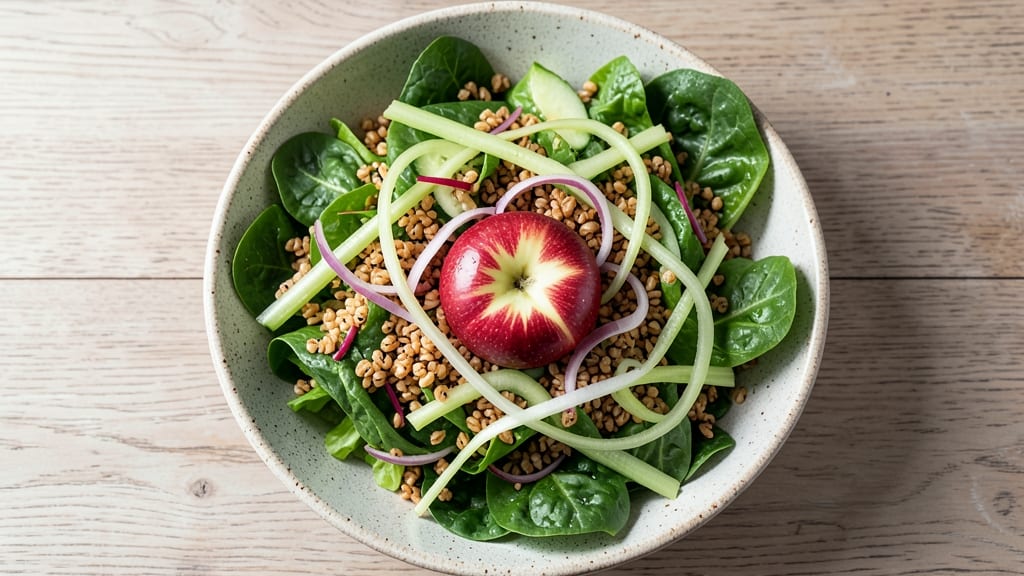
This big chopped salad recipe transforms fresh ingredients into a restaurant-worthy dish with textured layers and a velvety herb dressing that ties everything together. The secret lies in precise chopping—crisp vegetables, hearty grains, and optional protein all cut uniformly for even bites and perfect balance.
Every ingredient plays a role, from the sweet crunch of apples to the nutty depth of toasted nuts, creating a salad that feels substantial yet refreshing.
What sets this salad apart is the creamy herb dressing, which coats each component without overwhelming the natural flavors. Made with Greek yogurt, fresh dill, and a touch of garlic, it adds richness while keeping the dish light.
The assembly technique ensures crispness is preserved, with ingredients layered strategically so every bite delivers a mix of textures and flavors. This isn’t just a side—it’s a complete meal that stands on its own or pairs beautifully with grilled proteins.
The result is a salad that’s visually stunning and endlessly customizable. Whether you add grilled chicken, chickpeas for plant-based protein, or avocado for creaminess, the structure holds. The dressing clings to everything, creating a cohesive bite that’s satisfying yet bright.
Perfect for summer picnics, weeknight dinners, or meal prep, this recipe proves chopped salads can be bold, hearty, and restaurant-quality without the fuss.
For those with dietary preferences, swaps are simple: use quinoa instead of farro, swap chicken for shrimp, or make the dressing dairy-free with coconut yogurt. The key is keeping the uniform chop and creamy dressing—they’re the foundation of this dish’s success.
Ready to elevate your salad game? Let’s build this layered masterpiece.
Ingredients for big chopped salad
Fresh produce meets creamy texture in this restaurant-worthy chopped salad masterpiece.
| Ingredient | Amount | Notes |
|---|---|---|
| Romaine Lettuce 🥬 | 4 cups | Chopped into bite-sized pieces |
| Red Apple 🍎 | 1 medium | Honeycrisp or Fuji, cut into matchsticks |
| Red Onion 🧅 | 1 medium | Thinly sliced, white and red parts separated |
| Celery Stalks 🥬 | 3 whole | Thinly sliced, strings removed |
| Cucumber 🥒 | 1 medium | Peeled, seeded, cut into small dice |
| Farro 🌾 | 1 cup | Cooked, pearled, chilled |
| Grilled Chicken Breast 🍗 | 1 ½ lb | Diced into 1/2-inch pieces, optional |
| Toasted Walnuts 🥜 | ½ cup | Chopped coarsely, light brown |
| Plain Greek Yogurt 🥛 | 1 cup | Full-fat for creaminess |
| Fresh Dill 🌿 | ¼ cup | Chopped, stems removed |
| Garlic Cloves 🧄 | 2 cloves | Minced, fresh preferred |
| Extra-Virgin Olive Oil 🫒 | ¼ cup | High-quality, fruity |
| Lemon Juice 🍋 | 2 tbsp | Freshly squeezed |
| Diamond Crystal Kosher Salt 🧂 | ½ tsp | Fine grain preferred |
| Freshly Ground Black Pepper 🌶️ | ¼ tsp | For finishing |
The foundation starts with Romaine lettuce—its crisp texture holds up perfectly when chopped. For the apples, Honeycrisp or Fuji deliver the best balance of sweetness and crunch. Thinly sliced red onions add a sharp contrast, while celery brings a refreshing, slightly bitter note. The farro should be cooked until al dente and thoroughly chilled before chopping to maintain its bite. When selecting produce, look for vibrant colors and firm textures—Trader Joe's or Whole Foods typically carry the freshest seasonal options. For the optional protein, grilled chicken breast stays juicy when diced small, but you could also use shrimp or chickpeas for plant-based alternatives.
No farro? Quinoa or bulgur wheat work equally well—just adjust the cooking time. Short on dill? Fresh parsley or cilantro can substitute at the same quantity, though the flavor profile shifts slightly. The Greek yogurt must be full-fat for that velvety dressing texture; Siggi's or Fage are my go-to brands. For extra richness, consider adding 1 tablespoon of tahini to the dressing. If you're prepping ahead, chop all vegetables and store them separately in airtight containers—just toss with dressing right before serving to preserve crispness. The walnuts should be toasted until they're just light brown, not dark—this prevents bitterness and enhances their natural sweetness.
This salad keeps best when assembled just before serving, but you can prep components up to 24 hours ahead. Store the dressing separately and mix it in right before eating to maintain its creamy consistency. The farro and grains will last in the fridge for 4-5 days, while the fresh vegetables should be used within 2-3 days for optimal texture. For meal prep, portion the dressing into small containers and keep the chopped vegetables in a separate container—combine when ready to eat. The salad reheats beautifully in the microwave for 30 seconds if you prefer warm farro, though it's best enjoyed chilled for that crisp contrast.
Why You'll Love This Recipe
- No Knife Skills Needed: I chop everything into big, bite-sized pieces—no fancy julienne or tiny cubes. The romaine stays sturdy, the apple holds shape, and even my roommate (who burns toast) can handle it. Honestly, it’s the kind of salad that makes me feel like a pro without the stress.
- Crunch That Stays Crunchy: That perfect mix of crisp romaine, juicy apple slices, and the sharp bite of red onion? It’s like a party in your mouth. The celery adds a clean, herby contrast, and the cucumber keeps it refreshing—no soggy mess, no matter how long you stare at it.
- Lunchbox or Picnic Hero: This salad travels like a champ. Pack it in a jar, toss it in a bento box, or just wrap it in foil for a picnic. I’ve taken it to work, to the park, and even to a friend’s BBQ—it’s the one dish that never feels out of place, yet always feels special.
Step-by-step instructions for layered chopped salad assembly
This method builds texture and flavor through precise layering and dressing techniques.
Prepare the Base Vegetables with Textural Contrast
In a large mixing bowl, combine the 4 cups chopped romaine lettuce with the 1 medium red onion (white and red parts separated) and 3 whole celery stalks (thinly sliced). The romaine provides the foundation while the onion adds sharpness and the celery contributes crispness. I like to work in stages—first tossing the lettuce with the onion to distribute its sharpness evenly before adding the celery.
Next, fold in the 1 medium cucumber (peeled, seeded, diced) and 1 medium red apple (cut into matchsticks). The cucumber introduces hydration while the apple brings natural sweetness that balances the salad's acidity. Handle gently to preserve the vegetables' integrity—over-mixing can bruise the celery and soften the apple too quickly. This is where the salad's structural harmony begins.
Incorporate the Warm Grains and Protein
Add the 1 cup cooked farro (chilled) and 1.5 lb grilled chicken breast (diced into ½-inch pieces, optional) to the bowl. The farro should be completely cooled to prevent sogginess from steam. I always spread the farro on a baking sheet to chill rapidly after cooking—this keeps its firm texture. The chicken, if using, adds substantial protein without overpowering the fresh vegetable base.
Gently fold these components together with a large spoon, being careful not to crush the vegetables. At this stage, the salad should look vibrant with distinct color layers—the deep green of the romaine, the white of the celery and chicken, the pale yellow of the cucumber, and the pinkish-red of the apple. This visual contrast is key to the salad's appeal, so don't overmix and lose these individual textures.
Create the Creamy Herb Dressing
In a separate bowl, whisk together the 1 cup plain Greek yogurt, 0.25 cup extra-virgin olive oil, 2 tbsp lemon juice, 2 cloves minced garlic, 0.5 tsp Diamond Crystal kosher salt, and 0.25 tsp freshly ground black pepper. The yogurt provides creaminess while the olive oil adds richness, creating a balanced dressing that won't overpower the salad's fresh components. I always whisk vigorously for at least 30 seconds to emulsify the ingredients properly.
Next, fold in the 0.25 cup chopped fresh dill and 0.5 cup chopped toasted walnuts. The dill adds a bright herbal note that complements the yogurt's tang, while the walnuts contribute crunch and nutty depth. This is the moment where the salad transforms from a simple vegetable mix to a harmonious flavor profile. Taste the dressing before adding it to the salad—adjust the lemon juice or salt if needed to achieve the perfect balance of creamy, tangy, and savory.
Assemble and Layer for Maximum Impact
Pour the dressing over the salad and toss gently but thoroughly to coat all components evenly. The salad should glisten slightly from the dressing but remain crisp rather than soggy. I recommend assembling the salad just before serving—this prevents the vegetables from becoming limp. For an extra touch of texture, sprinkle the remaining 0.5 cup toasted walnuts on top just before serving.
The final presentation should showcase distinct layers of color and texture. Serve immediately in a large bowl or individual plates, allowing each guest to experience the interplay of creamy dressing, crisp vegetables, hearty farro, and tender chicken. This layered approach ensures every bite delivers a satisfying combination of textures and flavors, from the crunch of celery and walnuts to the creamy herb dressing clinging to each component.
Pro Tips For Making Big Chopped Salad
- CHOP ONION LAST: Red onions release their sharpest flavor when exposed to air. If you slice them too early, they’ll make the whole salad taste bitter before you even add dressing. Toss them in just before serving—your taste buds will notice the difference.
- SALT APPLES IMMEDIATELY: Slice that red apple and sprinkle it with a pinch of salt right away. The salt breaks down the cell walls, pulling out juice and softening the texture—no more crunchy, dry apple chunks in your salad. Let it sit for 5 minutes while you prep the rest.
- DRESSING AFTER CHOPPING: Tossing romaine with dressing too soon wilts it into a sad, limp pile. Keep the lettuce dry until the very end, then add dressing just before serving. If you’re worried about sogginess, store components separately and mix when ready to eat.
- USE A SHARP KNIFE: A dull knife crushes celery and cucumbers, turning them into mush. Invest in a good chef’s knife and cut with confidence—clean, even slices keep the salad crisp. No one wants a salad that feels like it’s been through a blender.
Creative variations of this recipe
Protein Swaps
Skip the chicken and add ½ cup cooked chickpeas for a plant-based option—they hold up well to chopping and add satisfying texture. For seafood lovers, swap in ½ cup cooked shrimp (chopped into bite-sized pieces) or ½ cup diced smoked salmon for a luxurious touch.
I’ve also used ½ cup crumbled feta cheese in summer for a dairy-forward variation that pairs beautifully with the creamy dressing. 🥗
Grain Alternatives
Need a gluten-free option? Swap farro for 1 cup cooked quinoa or bulgur wheat—both chop finely and stay firm. For extra heartiness, try ½ cup cooked lentils, which add earthy depth and extra protein.
I’ve also used ½ cup cooked wild rice blend for a nuttier flavor profile that complements the walnuts in the salad. Always chill grains thoroughly before chopping to maintain crispness.
Seasonal Produce Twists
In summer, swap the apple for peaches or nectarines (diced)—their juiciness balances the salad’s acidity. For fall, try roasted butternut squash (diced) instead of cucumber—its sweetness pairs perfectly with the tangy dressing.
Winter calls for shredded Brussels sprouts (raw) for a peppery bite, or dried cranberries (chopped) for a sweet-tart contrast. Adjust the dressing’s lemon juice to match the new produce’s natural acidity.
Dressing Variations
For a lighter option, replace Greek yogurt with ½ cup sour cream + ½ cup mayonnaise—this keeps the creamy texture while reducing fat. Dairy-free? Use 1 cup coconut yogurt and add 1 tsp Dijon mustard to help emulsify.
I’ve also made a spicy version by adding ½ tsp cayenne pepper to the dressing, which works especially well with the smoky depth of grilled chicken or salmon.
Global Flavor Infusions
Add a Mediterranean twist by stirring in 2 tbsp chopped kalamata olives and 1 tbsp crumbled feta after tossing. For an Asian-inspired version, swap the dill for ½ cup chopped cilantro and add 1 tbsp rice vinegar to the dressing.
A Mexican-inspired salad swaps walnuts for ½ cup toasted pepitas and adds ½ tsp ground cumin to the dressing. Each variation keeps the core structure but transforms the flavor profile completely. ✨
Nutrition facts
Frequently asked questions
How do I keep the vegetables crisp in a chopped salad for more than 24 hours?
Store each ingredient separately in airtight containers with paper towels to absorb moisture. Keep the dressing separate until ready to serve—this prevents wilting. For grains like farro, chill them completely before chopping to maintain firmness. When reassembling, add dressing just before eating to preserve texture.
Can I make this salad ahead of time for a party?
Prep all chopped ingredients (veggies, grains, protein) and store them in separate containers. Keep the dressing in a sealed jar. When ready to serve, toss everything together with the dressing. For a crowd, use large serving bowls and let guests assemble their own portions to maintain freshness.
What's the best way to chop onions without crying?
Chop onions under running cold water or use a sharp chef's knife to slice through the root end first. For extra protection, freeze the onion for 15-20 minutes before chopping—this numbs the volatile compounds that make you cry. Always keep the knife sharp to minimize tearing.
How can I make this salad more substantial for a main course?
Add ½ cup cooked lentils or ½ cup chickpeas for plant-based protein, or double the chicken portion to 1 lb. Include ½ cup toasted pepitas or ½ cup crumbled goat cheese for extra richness. Serve with warm crusty bread or grilled flatbread to make it a complete meal.
Why does my dressing separate when I add it to the salad?
This usually happens when the dressing isn't properly emulsified. Whisk the yogurt, olive oil, and lemon juice vigorously for at least 30 seconds to create a stable emulsion. For extra insurance, add 1 tsp Dijon mustard or 1 tsp honey to help bind the ingredients. Always add dressing just before serving.