
Salads
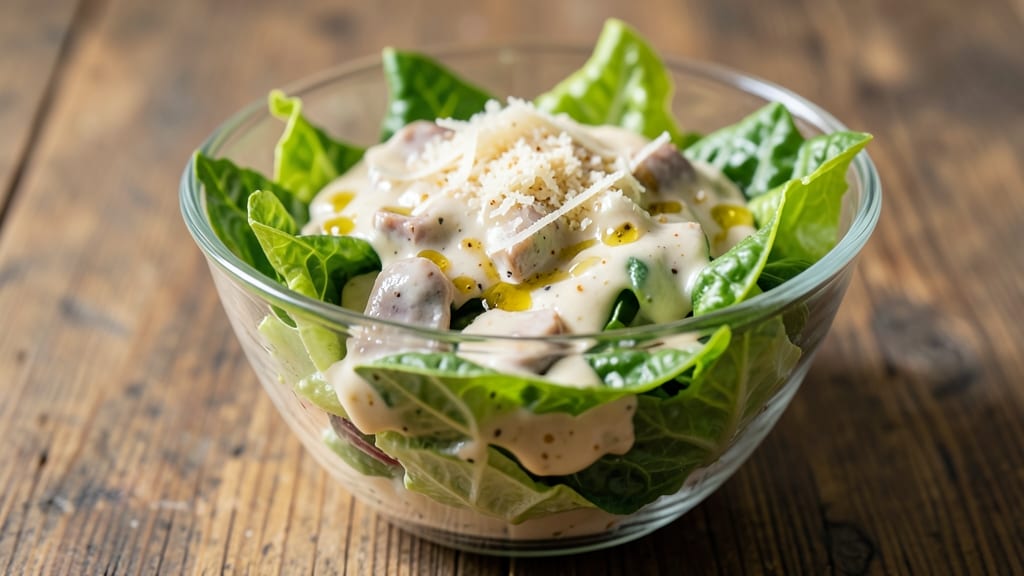
Betty Crocker's Caesar salad dressing recipe delivers that signature creamy, tangy flavor with just five essential ingredients and minimal effort. The secret lies in blending raw egg yolks with anchovies and garlic for a rich, umami-packed base that transforms into velvety dressing when emulsified with oil and vinegar. This version stays true to classic Caesar while avoiding the mess of traditional recipes.
What sets this dressing apart is its foolproof emulsification technique—no blender required. The raw egg yolks act as a natural binder, creating a silky texture that coats every leaf of romaine perfectly. A touch of Dijon mustard adds depth, while freshly grated Parmesan contributes that signature salty, nutty finish.
The result is a dressing that's bold enough to stand up to hearty Caesar salads but versatile enough for any greens.
Once blended, this dressing delivers restaurant-quality creaminess with just 10 minutes of active prep time. The anchovies dissolve completely, infusing the dressing with their savory essence without any fishy aftertaste. For those watching their calories, a lighter version swaps half the oil for Greek yogurt while maintaining that signature tang.
The dressing keeps well in the fridge for up to a week, making it perfect for meal prep.
Whether you're serving classic Caesar salads or using it as a zesty dressing for grilled chicken, this recipe transforms simple ingredients into something truly special. The key is patience during the emulsification process—stirring steadily until the dressing thickens properly ensures that creamy texture you crave.
Here's how to make it perfectly every time.
Ingredients for betty crocker caesar salad dressing
Five essential ingredients transform into velvety Caesar dressing with minimal effort and maximum flavor.
| Ingredient | Amount | Notes |
|---|---|---|
| Raw Egg Yolks 🥚 | 2 whole | Fresh, room-temperature preferred |
| Anchovy Fillets 🐟 | 2 tbsp | Canned, finely chopped |
| Garlic Cloves 🧄 | 1 whole | Finely minced, fresh preferred |
| Dijon Mustard 🍯 | 1 tbsp | High-quality, smooth variety |
| Extra-Virgin Olive Oil 🫒 | ½ cup | Light, fruity flavor preferred |
| Lemon Juice 🍋 | 1 tbsp | Freshly squeezed, strained |
| Parmesan Cheese 🧀 | ½ cup | Freshly grated, fine grade |
| Worcestershire Sauce 🍶 | 1 tsp | Anchovy-free if needed |
| Salt 🧂 | ½ tsp | Diamond Crystal preferred |
| Black Pepper 🌶️ | ¼ tsp | Freshly ground, coarse |
The raw egg yolks are the foundation—freshness matters here. Grab them from the coldest part of your fridge 30 minutes before use to bring to room temperature. Anchovies are non-negotiable for that signature umami depth, but high-quality brands like Colossette dissolve completely without any fishy aftertaste. The garlic should be freshly minced—pre-minced garlic loses its punch quickly. For the olive oil, California Early Harvest or Bertolli are excellent choices that won't overpower the delicate flavors. The Dijon mustard adds complexity, so avoid the powdered kind—it lacks the depth you need.
No anchovies? Anchovy-free Worcestershire sauce plus a dash of soy sauce gets you close, though the flavor will be slightly milder. Running out of Parmesan? Pecorino Romano works beautifully—it's saltier, so reduce to 0.375 cup to maintain balance. For a lighter version, swap half the olive oil for Greek yogurt (unsweetened, full-fat for best texture). The lemon juice should be freshly squeezed—bottled juice lacks the bright acidity needed for proper emulsification. If you're concerned about raw eggs, pasteurized eggs or a pasteurized egg substitute will work just as well without compromising texture.
This dressing emulsifies immediately when properly combined, but it thickens further as it sits—rest for 10 minutes before serving. Store in an airtight container in the fridge for up to 1 week. The texture may separate slightly after refrigeration, but a quick whisk brings it back to perfection. For meal prep, make a double batch—it keeps beautifully and elevates Caesar salads all week. If making ahead, add the lemon juice just before serving to prevent curdling.
Why You'll Love This Recipe
- I’ll be real: this dressing comes together in five minutes—just whisk yolks, anchovies, and garlic until it’s smoother than my excuses for skipping the gym. No blender, no fancy techniques, just raw ingredients blending magic.
- No Fuss, Big Payoff: I’ll be real: this dressing comes together in five minutes—just whisk yolks, anchovies, and garlic until it’s smoother than my excuses for skipping the gym. No blender, no fancy techniques, just raw ingredients blending magic.
- Umami Bomb: That anchovy fillet? It’s the secret weapon—salty, briny, and packed into every creamy bite. Pair it with the Dijon’s tang and garlic’s punch, and suddenly your salad tastes like a restaurant’s worth of effort.
- Weeknight Workhorse: Drizzle it on grilled chicken, toss it with pasta, or use it as a marinade—this dressing does everything. I keep a jar in my fridge for when I need flavor fast, and it never lets me down.
Step-by-step instructions for betty crocker's Caesar salad dressing
Here's how to achieve that signature creamy, tangy Caesar dressing with perfect texture every time.
Whisk Egg Yolks and Anchovies Until Fully Combined
In a medium bowl, whisk together the 2 whole raw egg yolks and 2 tablespoons finely chopped anchovy fillets until completely smooth and homogeneous. The anchovies should dissolve completely into the yolks, creating a uniform base for your dressing. This step is critical—any lumps will result in a grainy texture in your final dressing.
I always use a small whisk for this step to ensure thorough mixing. The yolks should thicken slightly as you whisk, creating a pale yellow emulsion. This is your flavor foundation, so take your time here—rushing leads to uneven flavor distribution later. If you're concerned about raw egg safety, you can briefly heat the yolks to 160°F in a double boiler after mixing, but this will slightly alter the texture.
Incorporate Mustard, Garlic, and Seasonings
Add the 1 tablespoon Dijon mustard, 1 whole finely minced garlic clove, 1 teaspoon Worcestershire sauce, 0.5 teaspoon salt, and 0.25 teaspoon black pepper to the yolk mixture. Whisk vigorously for 30-45 seconds until everything is fully incorporated and the mixture is smooth and thick.
The Dijon mustard acts as an emulsifier, helping to bind the oil later, while the garlic and Worcestershire add that signature umami depth. You'll notice the mixture becomes slightly thicker and more opaque as the mustard develops. This is the moment where all the flavors come together—take a taste at this stage to check the seasoning balance. If it needs more salt, add it now before the oil is incorporated.
Gradually Add Olive Oil in a Slow Stream
With the whisk still in the bowl, very slowly drizzle in the 0.5 cup extra-virgin olive oil while whisking continuously. This gradual addition is what creates that silky, creamy texture. The key is patience—adding the oil too quickly will prevent proper emulsification and result in a separated dressing. You're looking for a mayonnaise-like consistency where the mixture thickens noticeably as you whisk.
I like to use a fork to hold the bowl steady while whisking with my other hand. The mixture should begin to thicken almost immediately as the oil emulsifies with the egg yolks. If you see the mixture starting to separate or look oily, immediately add 1 teaspoon cold water to help re-emulsify. This step requires attention—don't walk away from the bowl.
Finish with Lemon Juice and Parmesan
Stir in the 1 tablespoon freshly squeezed lemon juice and 0.5 cup freshly grated Parmesan cheese using a rubber spatula. The lemon juice brightens the flavors and cuts through the richness, while the Parmesan adds that signature salty, cheesy tang. Mix until the cheese is completely dissolved and the dressing is smooth throughout.
The dressing should now have a thick, creamy consistency similar to heavy cream. If it's too thick, thin it with 1-2 teaspoons cold water at a time until it reaches your desired consistency for tossing. For a Caesar salad, it should coat the back of a spoon but still flow smoothly. Taste one final time and adjust seasoning if needed—most dressings benefit from a touch more salt or black pepper at this stage.
Rest and Adjust Before Serving
Cover the bowl with plastic wrap pressed directly onto the surface of the dressing to prevent a skin from forming. Let it rest at room temperature for 15-20 minutes before using. This resting period allows the flavors to fully meld and the texture to stabilize. The dressing will thicken slightly during this time, which is normal.
Before using, give the dressing one final stir. It should now have that perfect creamy texture with a balance of tangy, salty, and umami flavors. This dressing keeps well in the refrigerator for up to 5 days, though I find it's best used within 2-3 days for maximum freshness. For a restaurant-quality Caesar salad, this dressing delivers that bold, creamy flavor that makes all the difference.
Pro Tips For Making Betty Crocker Caesar Salad Dressing
- Whisk Slowly at First: Start with a gentle hand when mixing the egg yolks and Dijon mustard—too much energy too soon and you’ll end up with scrambled bits. Once everything’s combined, then crank up the speed to emulsify properly.
- Mince Anchovies Finely: Skip the chopping and just press the anchovy fillets flat with the back of your knife before whisking them in. This dissolves them evenly without leaving fishy chunks lurking in your dressing.
- Toast the Garlic: Sauté the minced garlic in olive oil for 30 seconds until fragrant—just until it smells like a garlic festival, not burnt. This deepens the flavor without overpowering the raw egg base.
- Add Oil in Streams: Drizzle the olive oil in slowly while whisking constantly, or you’ll end up with a broken dressing. A thin, steady stream keeps the emulsion smooth and creamy every time.
Perfect pairings for this dish
Classic Caesar Salad
This dressing transforms any Caesar salad into a restaurant-worthy dish. Toss it with crisp romaine, croutons, and shaved Parmesan for the ultimate combo. I love adding grilled chicken breast (about 6 oz per serving) for extra protein.
For a lighter touch, use toasted sourdough croutons instead of traditional bread croutons. 🥗
Grilled Chicken Bowls
Use this dressing as a base for grilled chicken bowls with quinoa, avocado slices, and cherry tomatoes. The creamy dressing binds all the components beautifully. I marinate 1 lb boneless chicken breasts in lemon juice and olive oil before grilling for 15-18 minutes at 400°F.
The anchovy notes in the dressing complement the grilled chicken perfectly.
Wraps & Sandwiches
Spread this Caesar dressing on wraps or sandwiches for a flavor boost. I use whole wheat tortillas with grilled chicken, romaine, and shredded carrots. The dressing adds moisture and richness without overwhelming the other ingredients. For extra crunch, sprinkle crushed pork rinds on top before serving.
Dinner Salad Bar
Set up a salad bar with this dressing as the star. Offer toppings like hard-boiled eggs, bacon bits, corn kernels, and blue cheese crumbles for customization.
I serve it in a glass cruet with a wooden spoon for easy dipping. Guests can adjust the dressing-to-salad ratio to their preference.
Pasta Salads
Toss this dressing with cold rotini pasta, diced bell peppers, and Italian sausage for a hearty pasta salad. The creamy texture clings to the pasta beautifully.
I cook the pasta al dente, rinse it under cold water, and then mix in the dressing. Add fresh basil leaves for a bright finish. ✨
Dipping Sauce
Use this dressing as a dip for veggie sticks, fries, or pretzel bites. The rich, tangy flavor pairs perfectly with crispy textures. I serve it in a small bowl with a side of hot sauce for guests who want extra heat.
For a fun twist, add crumbled blue cheese to the dressing before serving.
Nutrition facts
Frequently asked questions
Can I make this Caesar dressing without raw egg yolks?
Yes! For a safe alternative, use 2 tablespoons pasteurized egg substitute or 2 tablespoons mayonnaise (like Hellmann's) instead of raw yolks. The texture will be slightly different but still creamy. For a vegan version, blend 2 tablespoons silken tofu with 1 tablespoon lemon juice until smooth before adding other ingredients. The emulsification process works the same way.
Why did my dressing separate after making it?
Separation usually happens when oil is added too quickly or the mixture isn't whisked vigorously enough. To fix it, add 1 teaspoon cold water while whisking continuously. This helps re-emulsify the dressing. For prevention, always whisk steadily when adding oil and use a whisk that reaches the bottom of the bowl for even mixing.
How can I make this dressing lighter or lower in calories?
Swap half the olive oil (0.25 cup) for 0.25 cup plain Greek yogurt (full-fat for best texture). This cuts calories while maintaining creaminess. For even fewer calories, use 1 tablespoon low-fat mayo instead of some of the oil. The dressing will still coat greens well but with about 30% fewer calories per serving.
Can I use this dressing on other greens besides romaine?
This dressing works beautifully on spinach, kale, or mixed greens. For heartier greens like kale, massage them with a bit of olive oil first to soften them. The dressing's richness pairs well with butter lettuce too. Just adjust the amount slightly—tender greens need less dressing than romaine to avoid sogginess.
What's the best way to store leftover Caesar dressing?
Transfer to an airtight container and refrigerate for up to 5 days. The texture may separate slightly after chilling, but whisking brings it back together. For longer storage, freeze in ice cube trays—thaw overnight in the fridge before using. Add a splash of cold water if the dressing thickens too much after freezing.