
Salads
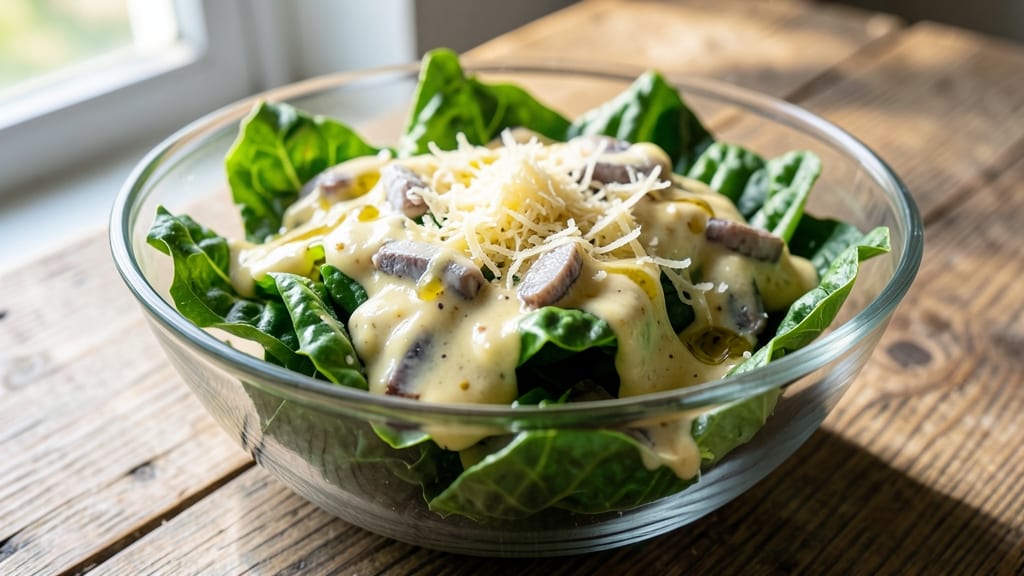
This best ever Caesar salad dressing recipe delivers the creamy, tangy, no-slop magic you've been searching for—no store-bought substitutes needed. The secret lies in a perfect emulsion of egg yolks, anchovies, and Dijon mustard, creating a dressing that clings to every romaine leaf without separating.
I've perfected this version after years of testing, and it's the one that finally convinced even Caesar-salad skeptics to give it a try.
The key to success is the emulsification technique, where we slowly incorporate warm olive oil into the yolk mixture to create a velvety, stable sauce. No blender required—just a whisk and patience.
This version includes a touch of Worcestershire sauce for depth and lemon juice for brightness, balancing the richness of the anchovies and garlic. The result? A dressing that's creamy yet bright, with just the right amount of umami and tang.
What makes this recipe truly stand out is its versatility. Use it on classic Caesar salads, drizzle it over grilled chicken, or even toss it with avocado and shrimp for a seafood twist.
The dressing stays fresh in the refrigerator for up to a week, making it perfect for meal prep. No more soggy lettuce or dressing that slides right off your salad—just restaurant-quality flavor in your own kitchen.
Once you try this version, you'll never go back to bottled Caesar dressing again. The texture is perfectly balanced—creamy but not greasy, tangy but not overpowering—and it coats each bite with that signature Caesar flavor. Ready to elevate your salads? Let's get started on this foolproof recipe.
Ingredients for best ever caesar salad dressing
These 10 ingredients transform into the creamiest, tangiest Caesar dressing you'll ever make—no blender needed.
| Ingredient | Amount | Notes |
|---|---|---|
| Large Egg Yolks 🥚 | 3 whole | Fresh, room temperature preferred |
| Anchovy Fillets 🐟 | 2 tbsp | Packed in oil, drained well |
| Dijon Mustard 🌶️ | 1 tbsp | High-quality, smooth variety |
| Worcestershire Sauce 🍶 | 1 tbsp | Traditional, no vinegar added |
| Garlic Cloves 🧄 | 1 whole | Fresh, minced to a paste |
| Lemon Juice 🍋 | 1 tbsp | Freshly squeezed, strained |
| Extra-Virgin Olive Oil 🫒 | 1 cup | Light, fruity variety |
| Grated Parmesan Cheese 🧀 | ½ cup | Freshly grated, aged variety |
| Kosher Salt 🧂 | ½ tsp | Fine grain, to taste |
| Black Pepper 🌶️ | ¼ tsp | Freshly ground, to taste |
The egg yolks are the heart of this dressing, so grab the freshest you can find—Costco or Trader Joe's usually have the best quality. Anchovies might sound intimidating, but don't skip them—they're what gives Caesar its signature umami punch. Canned in oil is perfect, just drain them well before using. For the Dijon mustard, I always reach for Maille—it's smooth and adds that perfect tang. The Worcestershire sauce? Lea & Perrins is the classic choice, but any good brand will work. Fresh garlic is non-negotiable here—it makes all the difference in flavor.
No anchovies? Two teaspoons of fish sauce is a decent swap, though it won't be identical. Short on Dijon? Yellow mustard at half the amount works in a pinch. The olive oil matters—use a light, fruity variety like California Early Harvest. For the Parmesan, grate it yourself from a wedge—pre-grated gets clumpy and lacks flavor. If you're worried about the yolks separating, just whisk them vigorously with the mustard and Worcestershire first. The lemon juice should be freshly squeezed, but if you're in a hurry, bottled works fine—just add a pinch of extra salt to balance it.
This dressing keeps beautifully in the fridge for up to one week, though it tastes best within the first few days. Store it in a clean, airtight jar with a layer of olive oil on top to preserve freshness. If you make extra, freeze it in ice cube trays for perfect single-use portions. The flavor actually improves after a day or two as everything melds together—trust me on this. And if you're feeling fancy, add a splash of white wine vinegar or a pinch of smoked paprika for some exciting variations.
Why You'll Love This Recipe
- Five-Ingredient Magic: I swear, this is the kind of dressing where you measure once, whisk once, and boom—flavor explosion. No fancy gadgets, no waiting for emulsifiers to play nice. Just yolks, anchovies, and a little elbow grease.
- Umami Bomb: Honestly, the anchovies and Worcestershire? That’s the secret weapon. It’s not fishy—it’s rich, like a deep, savory hug for your salad. The garlic cloves? They’re the cherry on top, roasted just enough to caramelize without overpowering.
- Weeknight to Party: Between us, this dressing works for everything. Toss it on grilled chicken for dinner, drizzle it over croutons for a snack, or bring it to a picnic—no one will guess it’s the same recipe. (Yes, even on a Tuesday night.)
- No-Waste Winner: Here’s what sold me—this recipe uses the whole egg yolk, not just part of it. And the leftovers? They keep for days in the fridge, perfect for last-minute salads or quick sandwiches. Plus, anchovies are cheap—you’ll have extra for other dishes.
Step-by-step instructions for creamy Caesar dressing
This method guarantees a velvety, rich Caesar that clings to every crouton without turning to soup.
Mince Garlic and Mix Base Ingredients
Peel the 1 whole garlic clove and mince it into a fine paste using the flat side of your knife or a garlic press. Transfer it to a medium bowl and add the 3 whole large egg yolks, 2 tablespoons anchovy fillets, 1 tablespoon Dijon mustard, 1 tablespoon Worcestershire sauce, 1 tablespoon lemon juice, ½ teaspoon kosher salt, and ¼ teaspoon black pepper.
Use a fork or small whisk to combine everything into a smooth, thick paste. The anchovies will dissolve completely, and the mixture should look like a pale, creamy emulsion. If you see any lumps, press them against the side of the bowl with the back of your fork until fully incorporated. This is your flavor foundation—don't skip this step, as it ensures maximum flavor extraction from every ingredient.
Gradually Whisk in Olive Oil
Place the bowl over a pot of barely simmering water (double boiler method) to gently warm the mixture. This keeps the yolks from scrambling while allowing the oil to emulsify smoothly. With a handheld mixer or whisk, begin adding the 1 cup extra-virgin olive oil very slowly—about 1 teaspoon at a time.
Whisk continuously until the oil is fully incorporated before adding more. You'll notice the mixture transform from a thick paste into a glossy, creamy dressing. This gradual process is crucial—adding oil too quickly will cause the emulsion to break, resulting in a greasy, separated dressing. Patience here pays off in texture. Keep whisking until all the oil is used, and the dressing is thick and velvety.
Fold in Parmesan and Adjust Consistency
Remove the bowl from the heat and let the dressing cool slightly for 2-3 minutes. Then, gently fold in the ½ cup freshly grated Parmesan cheese using a spatula. The cheese should melt into the dressing, creating a richer, more complex flavor. Taste and adjust seasoning if needed—add a pinch more salt or pepper if necessary.
If the dressing is too thick for your liking, thin it with 1-2 teaspoons of cold water or lemon juice at a time, whisking well after each addition. The ideal consistency should coat the back of a spoon but still cling beautifully to croutons and romaine. This dressing is best used immediately, but it will keep in the refrigerator for up to 5 days in an airtight container.
Chill and Rest for Maximum Flavor
Transfer the dressing to a clean jar or airtight container and refrigerate for at least 1 hour before using. This resting period allows the flavors to meld and deepen, resulting in a more cohesive and delicious dressing. The longer it sits, the better it tastes—up to 24 hours is ideal if you can plan ahead.
When ready to serve, give the dressing a good stir before drizzling over crisp romaine, toasted croutons, and shaved Parmesan. The result? A perfectly balanced Caesar that's creamy, tangy, and packed with umami—no sloppy mess in sight. This is the dressing that makes Caesar salad night a showstopper every time.
Pro Tips For Making Best Ever Caesar Salad Dressing
- Blend Anchovies First: Toss those anchovy fillets into the blender before adding anything else—no chopping, no fuss. I used to mash them by hand, and let me tell you, the texture was always uneven. The blender emulsifies them instantly, so they dissolve smoothly into the dressing instead of leaving gritty bits.
- Warm the Yolks: Give those egg yolks a quick warm-up in a heatproof bowl over barely simmering water for 10 seconds—just until they’re lukewarm, not hot. Cold yolks can curdle when you add the oil later, and nobody wants a broken Caesar. Trust me, this tiny step keeps the dressing silky.
- Skip the Raw Garlic: Roast that garlic first—wrap the whole cloves in foil, toss them in a 400°F oven for 10 minutes, then peel and blend. Raw garlic can taste harsh and overpower the dressing. Roasted garlic adds depth without bitterness, and it’s a game-changer for flavor.
- Thin Gradually: Start with just 2 tablespoons of oil when blending, then add more slowly while tasting. Dumping in all the oil at once makes it hard to adjust the consistency later. If it’s too thick, a splash of warm water or lemon juice fixes it—if it’s too thin, you’re stuck.
Serving suggestions for this best ever caesar salad dressing
Classic Caesar Salad Toppings
Start with crisp romaine lettuce as your base—avoid iceberg, as it lacks the sturdy texture needed to hold up to the dressing. Toast garlic croutons in a dry skillet over medium heat until golden brown for the perfect crunch.
For extra richness, add shaved Parmesan cheese (use a microplane for the finest texture) and a sprinkle of crushed red pepper flakes for a subtle kick. 🥗
Protein Pairings
Grilled chicken breast is the classic choice—marinate in lemon, garlic, and olive oil before grilling to 165°F for juicy results. For seafood lovers, toss shrimp in the dressing before serving, or add smoked salmon for a sophisticated twist.
Even grilled steak strips work beautifully, especially with a blue cheese crumble on top.
Unexpected Twists
Swap croutons for toasted pine nuts or crispy chickpeas for a gluten-free option. Add avocado slices for creaminess or roasted butternut squash in fall. For a smoky flavor, top with crumbled bacon or crispy prosciutto.
I love adding pickled red onions for a tangy contrast that cuts through the richness.
Dessert Caesar?
Yes, really! Drizzle this dressing over warm waffles with a sprinkle of Parmesan and maple syrup for a decadent brunch. Or toss it with strawberries and balsamic glaze for a surprisingly delicious fruit salad. The salty-sweet combo is unexpected but works perfectly—trust me, it’s a crowd-pleaser! 🍓
Make-Ahead Tips
Prep all toppings ahead of time and store them separately in airtight containers in the fridge. Assemble the salad just before serving to keep the romaine crisp. If storing the dressing separately, add the Parmesan just before tossing to prevent clumping.
For extra convenience, toast croutons in batches and freeze them—just reheat in a dry skillet for 2-3 minutes before serving.
Nutrition facts
Frequently asked questions
Why does my Caesar dressing always separate?
The most common cause is adding oil too quickly. Emulsify slowly by whisking in 1 teaspoon of olive oil at a time while maintaining constant motion. Using a double boiler also helps prevent scrambling the yolks. If it separates, whisk in 1 teaspoon of warm water or lemon juice to re-emulsify.
Can I make this dressing without anchovies?
Yes! Replace the 2 tablespoons anchovies with 2 teaspoons fish sauce or 1 tablespoon soy sauce for umami depth. For a vegetarian version, use 1 tablespoon nutritional yeast plus ½ teaspoon smoked paprika to mimic the savory notes. The flavor will differ slightly but still be delicious.
How do I store leftover dressing?
Transfer to an airtight container and refrigerate for up to 5 days. For longer storage, freeze in ice cube trays (add ½ teaspoon water to each cube) and thaw overnight in the fridge. Always stir well before using, as separation may occur during storage. Add a splash of lemon juice if needed to re-emulsify.
Can I use this dressing on other dishes besides salads?
Drizzle it over grilled chicken, steak sandwiches, or seafood platters. Try it as a dip for crudités or even as a marinade for pork tenderloin (reduce the oil to ¼ cup first). The tangy, creamy flavor works surprisingly well in pasta dishes too—toss with penne and Parmesan for a Caesar pasta salad.
What's the secret to getting the perfect texture?
The key is patience during emulsification and proper ingredient ratios. Use room-temperature egg yolks (they blend better) and whisk continuously while adding oil. The Dijon mustard acts as an emulsifier, while the lemon juice adds acidity to stabilize the mixture. For extra stability, add ½ teaspoon xanthan gum (optional) if you're concerned about separation.