
Salads
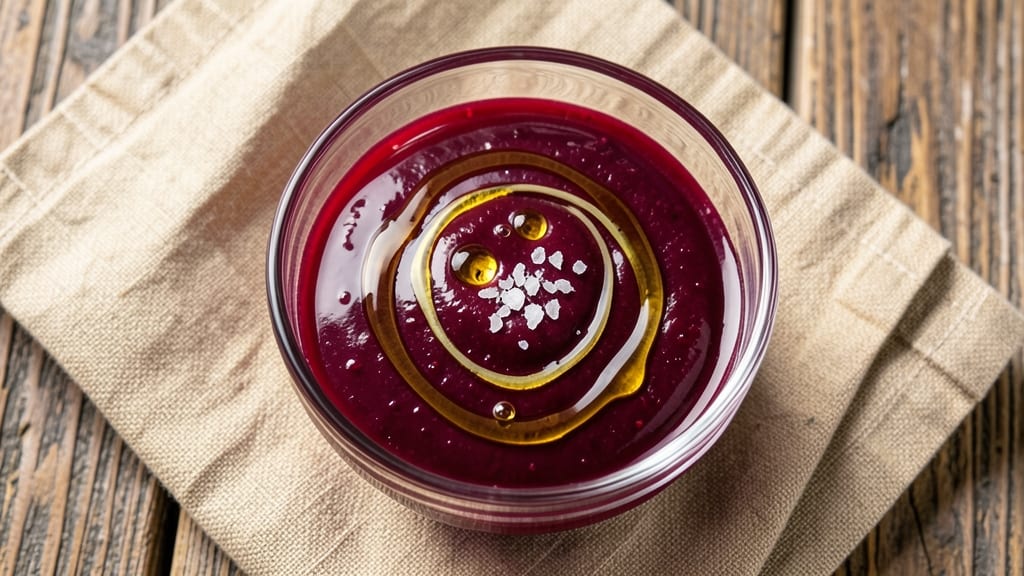
This beet juice salad dressing recipe transforms simple greens into a vibrant, earthy masterpiece with just five ingredients and 10 minutes of prep. The deep ruby color comes from concentrated beet juice, while apple cider vinegar and Dijon mustard create a tangy balance that enhances any salad.
What makes it special is how the natural sweetness of beets pairs perfectly with the acidity, creating a dressing that's both bold and subtly complex.
The foundation of this dressing is a simple emulsion of beet juice, vinegar, and Dijon mustard, whisked together until smooth. Adding olive oil creates a silky texture that clings to lettuce, while a touch of maple syrup rounds out the flavor without overpowering.
Unlike store-bought dressings, this one delivers real beet flavor—no artificial colors or preservatives. The result is a dressing that's as nutritious as it is delicious, with the added benefit of vibrant color that makes every bite look as good as it tastes.
This dressing stays fresh in the refrigerator for up to 10 days, making it perfect for meal prep. The earthy sweetness complements everything from arugula to roasted vegetable salads, while its rich color elevates even the simplest greens.
Whether you're dressing a hearty grain bowl or a light spring salad, this beet juice dressing brings depth and visual appeal to every dish. It's the kind of dressing that turns a basic salad into something extraordinary.
For best results, whisk the ingredients together just before serving to maintain the emulsion. If the dressing separates, simply stir or shake to recombine. Store in an airtight container in the refrigerator, and enjoy the vibrant flavor boost in salads, wraps, or even as a dip for roasted vegetables.
The versatility of this dressing makes it a must-have in any kitchen.
Ingredients for beet juice salad dressing
Five ingredients blend into a vibrant, earthy dressing that transforms any salad into a visual feast.
| Ingredient | Amount | Notes |
|---|---|---|
| Concentrated Beet Juice 🍠 | ½ cup | Freshly bottled, no added sugar |
| Extra-Virgin Olive Oil 🫒 | ½ cup | Cold-pressed, fruity variety |
| Apple Cider Vinegar 🍎 | 2 tbsp | Raw, unfiltered preferred |
| Dijon Mustard 🌶️ | 1 tbsp | High-quality, whole-grain |
| Pure Maple Syrup 🍁 | 1 tbsp | Grade B for richer flavor |
| Sea Salt 🧂 | ½ tsp | Fine grain, Diamond Crystal |
| Freshly Ground Black Pepper 🌶️ | ¼ tsp | Freshly cracked preferred |
| Filtered Water 💧 | 2 tbsp | For proper emulsion |
The beet juice is the star—Trader Joe's and Whole Foods carry the best concentrated varieties without additives. Look for bottles labeled '100% beet juice' with no sugar added. The apple cider vinegar should be raw and unfiltered for maximum tang. Bragg or Annie's are reliable brands, but any raw vinegar works. Dijon mustard matters here: Maille or Amora deliver that signature depth. For the maple syrup, grade B has more robust flavor than grade A, though both will work. The olive oil should be extra-virgin and fruity—California Olive Ranch or Colavita are solid choices.
No concentrated beet juice? Freshly juiced beets work (about 1 cup juice from 2 medium beets), but the flavor won't be as intense. Swap apple cider vinegar for red wine vinegar at half the amount if needed. Mustard-free? Yellow mustard at double the quantity mimics the tang. Short on maple syrup? Agave nectar or date syrup are neutral substitutes. The water is key for the emulsion—don't skip it. If your dressing separates, just whisk again or shake the jar. For extra richness, add 1 tbsp tahini at the end.
Store in an airtight glass jar in the fridge for up to 10 days. The color may darken slightly over time, but that's normal. For long-term storage, freeze in ice cube trays—thaw and whisk before use. This dressing works best at room temperature, so let it sit for 5 minutes before drizzling. The emulsion holds well for 3 months frozen, making it perfect for batch prep. Always whisk before serving to recombine any separated oil.
Why You'll Love This Recipe
- Five-Ingredient Magic: I swear by this combo—no fancy techniques, just swirling concentrated beet juice with olive oil, vinegar, and a drizzle of maple syrup. The mustard ties it all together while I’m still washing my hands from chopping veggies.
- Sweet-Savory Balance: That first tangy bite? The vinegar and mustard cut through the earthy beets, but the maple syrup softens it into something weirdly addictive. It’s the dressing I reach for when I want flavor that doesn’t scream “salad.”
- Meal Prep MVP: Make a big batch (it keeps for weeks in the fridge) and toss it on everything—grain bowls, roasted veggies, even grilled chicken. Honestly, I’ve drizzled it on toast when I was too lazy to eat anything else.
- Budget Brightener: Concentrated beet juice is a steal compared to fresh beets, and the other ingredients? Pantry staples. A little goes a long way, so I stretch it across salads, sandwiches, and even as a dip—no waste, just creativity.
Step-by-step instructions for beet juice salad dressing
This vibrant dressing comes together with simple technique and bold flavors.
Whisk Together the Base Ingredients
In a medium bowl, combine the 0.5 cup concentrated beet juice, 2 tablespoons apple cider vinegar, and 1 tablespoon Dijon mustard. Use a whisk to blend these ingredients thoroughly until fully incorporated. The beet juice will be thick and slightly syrupy, so don't be surprised if it looks like it won't mix easily at first. This is normal—keep whisking until smooth.
Next, add the 1 tablespoon pure maple syrup and 2 tablespoons filtered water. The water helps create the proper emulsion later, while the maple syrup balances the acidity of the vinegar. Whisk continuously for 30 seconds until everything is completely combined. You're aiming for a uniform color and texture at this stage—no streaks of beet juice should remain.
Gradually Incorporate the Olive Oil
With the whisk still in the bowl, slowly drizzle in the 0.5 cup extra-virgin olive oil while whisking constantly. This gradual addition is crucial—adding the oil all at once can cause the dressing to separate. Start with just a few drops, whisking vigorously after each addition, then gradually increase the flow as the mixture begins to emulsify.
Continue whisking for 1-2 minutes until the dressing thickens noticeably. You'll see it transform from a watery consistency to a creamy, pourable texture. If it starts to look too thick, add 1 teaspoon more filtered water and whisk again. The goal is a smooth, velvety dressing that coats the back of a spoon without being gluey.
Season and Emulsify
Add the 0.5 teaspoon sea salt and 0.25 teaspoon freshly ground black pepper to the bowl. Stir with a spoon to distribute the seasonings evenly. Taste the dressing at this point—it should be tangy from the vinegar, sweet from the maple syrup, and earthy from the beet juice. Adjust the seasoning if needed, adding a pinch more salt or pepper as necessary.
Transfer the dressing to a clean jar with a tight-fitting lid. Seal and shake vigorously for 30 seconds to fully emulsify. The shaking helps break up any remaining oil droplets and creates that signature smooth, creamy texture. Let it rest for 5 minutes before using—this allows the flavors to meld completely. If you notice any separation after resting, simply shake again before using.
Test and Adjust Consistency
Dip a clean spoon into the dressing and taste it straight from the jar. The flavors should be balanced—sweet, tangy, and earthy with a subtle peppery finish. If it tastes too sweet, add 1 teaspoon more apple cider vinegar and shake again. If it's too acidic, add ½ teaspoon more maple syrup. For a thicker dressing, let it sit for 10-15 minutes longer or chill in the refrigerator for 30 minutes before using.
This dressing works best when used within 5-7 days of making it, stored in an airtight container in the refrigerator. The colors will deepen and the flavors will intensify over time. Give it a good shake before each use, as dressings often separate when refrigerated. The vibrant pink hue will add a stunning visual element to any salad while delivering rich, complex flavors that complement greens, grains, and proteins beautifully.
Pro Tips For Making Beet Juice Salad Dressing
- Whisk in Stages: Add the concentrated beet juice first, then the olive oil and vinegar—this prevents the mustard from curdling in a thick, gloopy mess. I learned this the hard way when I dumped everything in at once and ended up with a dressing that looked like it belonged in a paint can.
- Use Cold Mustard: Chill the Dijon mustard in the fridge for 10 minutes before mixing—it blends smoother and doesn’t overpower the other flavors. Sounds silly, but it makes a real difference when you’re trying to balance sweet, tangy, and earthy notes.
- Measure Vinegar Precisely: Skip the eyeballing—use a scale or measuring spoon for the apple cider vinegar (about 1 tablespoon per 2 tablespoons of beet juice). Too much, and your dressing turns harsh; too little, and it lacks the bright cut that keeps the sweetness in check.
- Sweeten Last: Add the maple syrup just before serving—its flavor mellows over time, and you might find you need less if the dressing sits. If you’re impatient like me, taste it after 5 minutes and adjust, but don’t overdo it or you’ll regret that cloying aftertaste.
Creative variations of this beet juice salad dressing
Earthy-Sweet Variations
Swap apple cider vinegar for balsamic vinegar to add depth and richness—just reduce to 1 tablespoon since balsamic is stronger. For a smoky twist, add ½ teaspoon smoked paprika or 1 teaspoon liquid smoke to the base before emulsifying.
I love this variation on roasted beet salads where the smokiness pairs beautifully with the natural sweetness. 🌶️
Citrus Brightness
Brighten the dressing with 1 tablespoon fresh lemon juice or orange juice—replace half the apple cider vinegar. Add 1 teaspoon grated lemon or orange zest for a zesty kick.
This works wonderfully with citrusy salads like grapefruit and arugula. For extra flair, add 1 teaspoon honey instead of maple syrup to balance the acidity.
Herb-Infused Twists
Fresh herbs elevate this dressing instantly. Blend in 1 tablespoon finely chopped fresh dill, tarragon, or thyme before adding the oil. For a Mediterranean vibe, add 1 teaspoon minced garlic and ½ teaspoon dried oregano.
These herb variations shine on Greek salads or Mediterranean bowls with olives and feta.
Spicy Kick
Add heat with ½ teaspoon cayenne pepper or 1 teaspoon hot sauce (like Cholula or Tabasco). For a smoky-spicy combo, mix in ½ teaspoon chipotle powder or 1 teaspoon adobo sauce. This fiery version pairs perfectly with Southwestern salads featuring black beans, corn, and avocado. 🔥
Nutty Depth
For a richer texture, stir in 1 tablespoon tahini or almond butter after emulsifying. Add ½ teaspoon ground cinnamon or nutmeg for warmth. This nutty variation works beautifully on walnut-topped salads or farro bowls with roasted vegetables. The tahini adds creaminess while keeping the dressing vegan.
Seasonal Adaptations
In fall, add ½ teaspoon cinnamon and 1 teaspoon pumpkin puree for a cozy twist. For spring, swap maple syrup for agave nectar and add 1 teaspoon fresh mint.
In winter, infuse with 1 teaspoon ginger or star anise for warmth. These seasonal tweaks keep the dressing exciting year-round! ❄️
Nutrition facts
Frequently asked questions
Can I use fresh beets instead of concentrated beet juice?
Yes! You'll need about 2 medium fresh beets (juiced) to replace 0.5 cup concentrated juice. Roast or steam them first to soften, then blend and strain through a fine-mesh sieve. The flavor will be milder but still delicious—just expect a slightly less intense color.
Why did my dressing separate? How do I fix it?
Separation happens when oil and liquid phases split, usually from shaking too hard or storing improperly. Simply whisk or shake vigorously for 30 seconds to recombine. For future batches, add 1 extra teaspoon of Dijon mustard (it acts as a natural emulsifier) or whisk in 1 teaspoon of water to help stabilize.
How long does this dressing keep in the fridge?
Store in an airtight glass jar for up to 10 days. The color may darken slightly over time, but that's normal. For longer storage, freeze in ice cube trays—thaw and whisk before use. The dressing's quality peaks within 5-7 days, so use it fresh for best flavor and texture.
Can I make this dressing without mustard?
Yes! Replace the 1 tablespoon Dijon mustard with 2 tablespoons yellow mustard or 1 teaspoon xanthan gum (for thickening). For a mustard-free version, whisk in 1 tablespoon tahini after emulsifying—it adds creaminess while keeping the dressing vegan. Adjust vinegar to taste if needed.
What salads pair best with this dressing?
This vibrant dressing shines on arugula, spinach, and roasted beet salads. It also works beautifully with grain bowls (quinoa, farro), Mediterranean plates (olives, feta), and Southwestern salads (black beans, avocado). The earthy sweetness balances bitter greens perfectly!