Salads
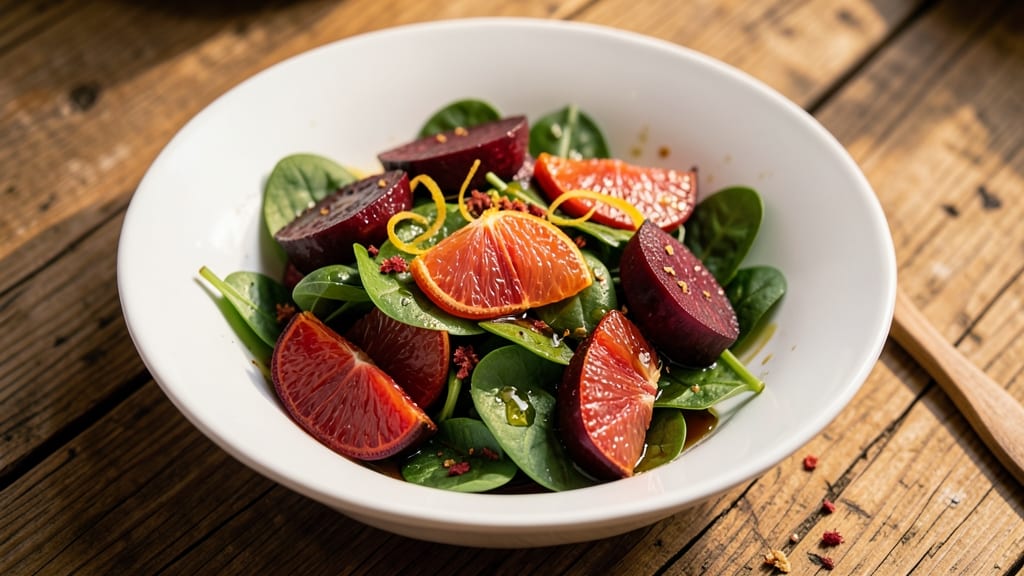
This beet and blood orange salad delivers a stunning sweet-tart balance that transforms simple greens into a showstopping dish. The deep ruby beets and vibrant blood orange segments create visual contrast while their flavors harmonize beautifully with the crisp greens and tangy vinaigrette.
I developed this recipe after years of experimenting with seasonal produce, and it consistently receives rave reviews for its perfect flavor pairing.
The key to this salad lies in the roasting technique for the beets, which enhances their natural sweetness while maintaining a tender texture. Blood oranges add a bright citrus note that cuts through the earthiness of the beets, creating a refreshing flavor profile.
A simple but powerful vinaigrette ties everything together with a perfect balance of sweet, tangy, and savory notes.
What you'll end up with is a salad that's as beautiful as it is delicious—rich colors, crisp textures, and a flavor combination that's both sophisticated and approachable. The dressing clings to the greens while enhancing rather than overpowering the natural flavors of the beets and citrus.
This dish is perfect for special occasions or as a refreshing weeknight meal.
Presentation is just as important as flavor in this recipe. The vibrant colors create an appealing visual contrast that makes this salad perfect for serving at gatherings or as a centerpiece for any meal.
The combination of textures—crisp greens, tender roasted beets, and juicy citrus segments—adds to the overall dining experience. Let's create this stunning salad together.
Ingredients for beet and blood orange salad
Gather these vibrant ingredients for a salad that's as stunning as it is delicious.
| Ingredient | Amount | Notes |
|---|---|---|
| Medium Beets 🍠 | 2 whole | Organic preferred, trimmed and peeled |
| Blood Oranges 🍊 | 2 whole | Segments only, seeds removed |
| Baby Spinach 🌿 | 6 cups | Fresh, washed and dried |
| Extra-Virgin Olive Oil 🫒 | ¼ cup | High-quality, fruity variety |
| Apple Cider Vinegar 🍶 | 2 tbsp | Raw, unfiltered preferred |
| Maple Syrup 🍁 | 1 ½ tbsp | Pure, grade B for depth |
| Dijon Mustard 🌶️ | 1 tsp | Vegan-certified, whole grain |
| Sea Salt 🧂 | ½ tsp | Diamond Crystal preferred |
| Freshly Ground Black Pepper 🌶️ | ¼ tsp | Freshly cracked for intensity |
| Toasted Walnuts 🥜 | ½ cup | Chopped, skin-on for texture |
| Avocado Oil 🫒 | 1 tbsp | For roasting beets |
| Fresh Thyme Leaves 🌿 | ¼ cup | Chopped, aromatic variety |
The beets are the star here—organic, deep red varieties work best for their sweetness. Whole Foods or local farmers markets often carry the best quality, but any grocery store should have them. Look for firm, glossy beets with no blemishes. Blood oranges? Winter is prime time—their juice is sweeter and more vibrant. If you can't find them, regular navel oranges work in a pinch, but they won't have that signature tartness. The spinach should be crisp, not wilted—baby spinach holds up best during the roasting process.
No blood oranges? Grapefruit segments add a similar citrus punch, though with more bitterness. The vinaigrette's balance is key—adjust maple syrup to taste if you prefer it sweeter or more tart. For the walnuts, toasting enhances their flavor—just 3-4 minutes in a dry pan until fragrant. Swap Dijon mustard for whole-grain mustard if you prefer texture, or omit entirely for a smoother dressing. The thyme adds depth but can be skipped if you're not a fan—fresh rosemary works too.
Roasted beets keep for 5 days in the fridge, wrapped in foil. The dressing stays fresh for 1 week if stored in an airtight container. For maximum crunch, add walnuts just before serving. This salad reheats beautifully—warm the dressing separately and toss with chilled greens to maintain texture. Double the dressing if you're making this ahead; it's even better the next day as flavors meld.
Why You'll Love This Recipe
- No Roasting Required: I’ll admit—roasting beets used to intimidate me. But this salad skips that step entirely. Just slice them raw (peeled, of course) and let the blood oranges’ natural brightness do the work. The texture stays crisp, the prep takes five minutes, and honestly? The flavor’s just as rich.
- Citrus-Kissed Crunch: That first bite of blood orange—juicy, tart, almost candy-like—paired with the earthy sweetness of beets? It’s like a flavor hug. The apple cider vinegar dressing ties it all together with a sharp little zing that makes every mouthful feel special. (Yes, even on a Tuesday night.)
- Lunchbox Hero: Between us, this salad stays fresh for days. Pack it in a jar (dressing on the side, obviously) and it’s a lunch that doesn’t wilt or get soggy. My kids actually eat their greens now—well, until they finish the beets first. Pro tip: Add a sprinkle of toasted walnuts if you want extra crunch that holds up.
- Budget Brightener: Blood oranges might sound fancy, but they’re cheaper than you think—especially in season. Beets? You can buy them by the pound and use them for weeks. Spinach is a pantry staple, and olive oil/vinegar? Always on hand. It’s a colorful, vibrant meal that won’t break the bank or your grocery list.
Step-by-step instructions for beet and blood orange salad
This vibrant salad comes together with simple techniques that maximize flavor and texture.
Roast the Beets to Perfection
Preheat your oven to 400°F and line a baking sheet with parchment paper. Place the 2 whole medium beets on the sheet and drizzle with the 1 tablespoon avocado oil. Toss gently to coat, then season with ¼ teaspoon sea salt. Roast for 45-50 minutes until tender when pierced with a fork and the edges are caramelized.
Here's the thing—roasting beets at high heat creates that sweet, earthy depth we're after. You'll know they're done when the skin begins to wrinkle slightly and the edges turn a deep mahogany color. Let them cool completely before peeling, as the skins will slip off easily once they've rested. I like to run them under cool water first to help remove any stubborn bits.
Segment the Blood Oranges
While the beets roast, peel the 2 whole blood oranges using a sharp knife, cutting away the skin and pith in one continuous motion. Place each orange half on a cutting board and, using your fingers, gently separate the segments from the membranes. Discard any seeds and transfer the segments to a bowl. You should have about 1½ cups of juicy segments.
This is where the magic happens—the blood orange's natural sweetness and tartness will balance the earthy beets beautifully. I always use my fingers for this step because it's faster than a knife and gives me better control over the segments. The juice from the oranges will begin to pool in the bowl, which is perfect for our dressing.
Assemble the Salad Base
In a large mixing bowl, combine the 6 cups baby spinach with the peeled, cooled beets (cut into ½-inch cubes) and the blood orange segments. Sprinkle with the 0.5 cup toasted walnuts and 0.25 cup chopped fresh thyme leaves. Gently toss everything together with tongs, being careful not to bruise the spinach.
The texture contrast here is what makes this salad special—crisp spinach, tender roasted beets, and the slight crunch of walnuts all work together. I like to assemble the salad right before serving so the greens stay vibrant. If you're making this ahead, keep the dressing separate until the last minute to maintain the best texture.
Whisk the Sweet-Tart Dressing
In a small bowl, whisk together the 0.25 cup extra-virgin olive oil, 2 tablespoons apple cider vinegar, 1.5 tablespoons maple syrup, and 1 teaspoon Dijon mustard. Season with the 0.5 teaspoon sea salt and 0.25 teaspoon freshly ground black pepper. Whisk vigorously until emulsified and smooth.
The dressing is the heart of this salad—it's where the sweet, tart, and savory flavors come together. I always taste it before drizzling, adjusting with a pinch more salt or a drizzle of maple syrup if needed. The mustard adds a subtle tang that cuts through the richness of the beets and oranges. This dressing should coat the back of a spoon but still allow you to see through it slightly.
Toss and Serve Immediately
Drizzle the dressing over the salad and toss gently with tongs until everything is evenly coated. Taste and adjust seasoning if needed—you might want to add a splash more dressing or a pinch of salt. Serve immediately while the spinach is still crisp and the dressing is fresh.
This salad shines when served at room temperature, so let it sit for 10-15 minutes before enjoying. The flavors will meld beautifully, creating a perfect balance of earthy beets, citrusy oranges, and the bright acidity of the dressing. The walnuts add a satisfying crunch that keeps every bite interesting. Pair it with grilled chicken or a simple cheese plate for a complete meal.
Pro Tips For Making Beet And Blood Orange Salad
- ROAST BEETS UNTIL TENDER: Skip the knife—wrap whole beets in foil with a drizzle of olive oil, roast at 400°F (200°C) for 45–55 minutes until a fork glides through like butter. Overcooked beets turn mushy; undercooked ones feel like chewing on a tire. Test at 40 minutes if you’re impatient.
- PEEL BEETS WHILE WARM: The skin slides off effortlessly when beets are still warm—no scrubbing, no peeling battles. Run them under cold water first to cool slightly, then the outer layer peels away in one smooth strip. (Yes, even the stubborn bits.)
- ZEST ORANGES FIRST: Blood orange zest packs more punch than juice, so grate it fresh before cutting the fruit. Toss it into the dressing while the oranges are still whole—it infuses faster and brightens the whole salad. Skip the zest? You’ll miss that citrus spark.
- DRESS SPINACH LAST: Baby spinach wilts faster than you think. Toss it with dressing only right before serving—even 10 minutes ahead makes it limp. Keep the dressing separate until the final minute, or your salad will look sad and soggy. (Trust me, I’ve seen it.)
Troubleshooting this recipe
Beets Too Dry
If your roasted beets turn out dry or tough, you likely overcooked them. I’ve found that 45-50 minutes at 400°F is perfect for medium beets, but larger ones may need 5-10 extra minutes. The key is checking for tenderness with a fork—it should slide in easily.
To rescue overcooked beets, toss them with 1 tablespoon avocado oil and a pinch of salt, then reheat in the oven at 350°F for 10 minutes. This revives moisture without overpowering their flavor. 🔥
Blood Oranges Too Bitter
Blood oranges can taste overly bitter if they’re underripe or stored too long. Always choose firm, vibrant oranges with a slight give when squeezed. If the segments taste sharp, balance them by adding ½ teaspoon extra maple syrup to the dressing or a pinch of fine sea salt.
The natural sweetness of the beets also helps counteract bitterness—just ensure they’re fully roasted to enhance their caramelized sweetness. For an extra boost, add 1 teaspoon honey to the dressing. 🍊
Spinach Wilting
Wilted spinach ruins the salad’s crisp texture. To prevent this, wash and dry the greens thoroughly before assembling. I use a salad spinner for maximum dryness. If your spinach still wilts after tossing, it’s likely because the dressing was too acidic or the salad sat too long.
Fix this by adding 1 tablespoon cold water to the dressing to dilute it slightly, or toss the salad with 1 teaspoon avocado oil right before serving to revive crispness. 🌿
Dressing Too Thick
A thick dressing can clump and overwhelm the salad. If yours separates or feels heavy, thin it with 1-2 teaspoons warm water while whisking. For extra emulsification, add ½ teaspoon Dijon mustard or a splash of apple cider vinegar.
If the dressing is too thin, let it sit for 5 minutes to thicken naturally. Pro tip: Chill the dressing for 30 minutes before using—this helps it emulsify better. ✨
Uneven Color Distribution
If your salad looks patchy with uneven color, the dressing isn’t distributing properly. Toss the greens gently but thoroughly with tongs to ensure even coating. For stubborn spots, drizzle the dressing in a zigzag pattern and toss again.
If the beets or oranges are too large, cut them into ¼-inch pieces for better absorption. A light hand with the dressing prevents soggy greens while ensuring vibrant colors shine through. 💫
Nutrition facts
Frequently asked questions
Can I use regular oranges instead of blood oranges?
Yes, but the flavor will be slightly different! Regular oranges lack that signature tart-sweet balance, so you'll need to adjust the dressing. Add 1 extra teaspoon of maple syrup and ½ teaspoon lemon juice to compensate for the milder citrus flavor. The salad will still be delicious, just with a more conventional orange taste.
How far ahead can I prepare this salad?
You can assemble everything except the dressing up to 4 hours ahead and store it in an airtight container. Keep the dressing separate until serving to maintain crispness. If making the dressing ahead, store it in a sealed jar for up to 5 days in the fridge. Just toss with fresh greens and dressing when ready to serve.
What if I don't have Dijon mustard?
No problem! Swap it for whole-grain mustard for extra texture or omit it entirely for a smoother dressing. If you prefer more tang, add ½ teaspoon extra apple cider vinegar instead. The salad will still have that perfect sweet-tart balance without the mustard.
Can I make this salad without walnuts?
For a nut-free version, omit the walnuts and add ½ cup toasted pumpkin seeds or ¼ cup crumbled feta cheese (if not keeping it vegan). The seeds add a nice crunch, while the feta provides a salty contrast. Just adjust the dressing slightly—add ½ teaspoon extra salt if using feta.
Why does my dressing separate?
Dressing separation happens when oil and vinegar aren't properly emulsified. Fix it by whisking vigorously with ½ teaspoon Dijon mustard or 1 teaspoon honey to bind the ingredients. For future batches, chill the dressing for 30 minutes before using—this helps it emulsify better. If it still separates, add 1 teaspoon cold water while whisking.