
Salads
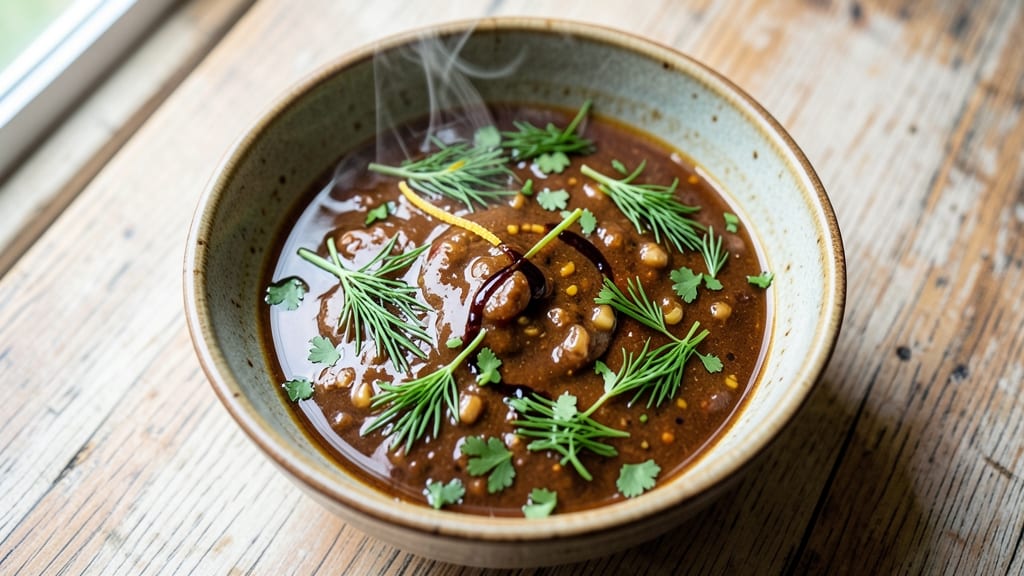
This beef salad dressing recipe transforms simple greens into a hearty, protein-packed meal with just a few ingredients. The secret lies in a rich blend of red wine vinegar, Worcestershire sauce, and beef broth that creates a deeply savory, herby vinaigrette perfect for steak salads or charcuterie boards.
I developed this after craving a dressing that could stand up to bold flavors without overpowering the dish.
The dressing comes together in minutes with a balance of acidity, umami, and fresh herbs like dill and parsley. A touch of Dijon mustard adds depth, while olive oil provides a silky finish.
What makes this recipe special is its versatility—it elevates everything from classic Caesar salads to hearty grain bowls. The key is letting the flavors meld for at least 30 minutes before serving, allowing the beefy notes to fully develop.
What you’ll end up with is a dressing that’s tangy yet rich, herby yet savory, and bold enough to complement grilled meats or cheeses. It keeps well in the fridge for up to a week, making it a perfect make-ahead option for entertaining or meal prep.
The texture is smooth and clingy, ensuring every bite of your salad is packed with flavor.
Pair this dressing with grilled steak salads, roasted vegetable bowls, or even as a dip for crusty bread. The beefy undertones make it a standout for charcuterie spreads or as a marinade for proteins. Here’s how to make it—simple, professional, and impossible to resist.
Ingredients for beef salad dressing
Six savory ingredients transform bold flavors into a velvety vinaigrette perfect for hearty salads.
| Ingredient | Amount | Notes |
|---|---|---|
| Red Wine Vinegar 🍷 | ½ cup | Dry variety preferred for balance |
| Worcestershire Sauce 🍶 | 2 tbsp | High-quality for umami depth |
| Beef Broth 🥫 | ½ cup | Low-sodium preferred |
| Dijon Mustard 🌶️ | 1 tbsp | Mild or strong to taste |
| Fresh Dill 🌿 | ¼ cup | Finely chopped stems included |
| Fresh Parsley 🌿 | ¼ cup | Flat-leaf preferred |
| Shallot 🧅 | 1 whole | Finely minced for smooth texture |
| Extra-Virgin Olive Oil 🫒 | ½ cup | Light or fruity variety |
| Garlic Cloves 🧄 | 2 cloves | Minced for subtle flavor |
| Kosher Salt 🧂 | 1 tsp | Adjust to taste |
The beef broth and Worcestershire sauce create that signature umami depth. Annie's or Pacific Foods beef broth is my go-to for clean flavor, but any low-sodium brand works. Fresh dill and parsley are non-negotiable here—they're what makes this dressing truly herby. Whole Foods or local farmers markets usually have the freshest herbs, but grocery store bunches work too if you rinse and dry them well. The shallot adds sweetness without overpowering, so don't skip it—just make sure to mince it finely for a smooth dressing. For the olive oil, California Olive Ranch or Colavita are reliable choices that won't overpower the other flavors.
No Worcestershire sauce? Soy sauce plus a pinch of sugar gets you close, though it won't be identical. Fresh herbs missing? Dried dill at one-third the amount works in a pinch, but texture will be different. The dressing works beautifully with balsamic vinegar if you're out of red wine vinegar—just reduce the beef broth slightly since it's sweeter. For a lighter version, swap half the olive oil for avocado oil. The garlic can be roasted for a milder flavor if you prefer. And if you're making this ahead, add the herbs last to keep them vibrant.
This dressing keeps beautifully in a sealed jar in the fridge for up to 1 week. The flavors actually improve after sitting for a few hours, so don't be afraid to make it a day ahead. For storage, I like using a glass jar with a tight lid—it preserves the freshness of the herbs longer. If you make extra, it freezes well for 3 months in ice cube trays. Just shake it up after thawing. The dressing works equally well on steak salads, grain bowls, or even as a marinade—just reduce the olive oil by half if using as a marinade.
Why You'll Love This Recipe
- Here’s what sold me: this keeps like a champ in the fridge for five days, and it only costs pennies to make. No sad, wilted lettuce here—just a bottle of flavor you’ll reach for again and again. Budget win.
- Five-Ingredient Magic: Honestly, I swear by this recipe because it’s that simple—just stir together red wine vinegar, Worcestershire, beef broth, Dijon, and fresh dill. No fancy gadgets, no waiting for sauces to cool, just dump-and-whisk while your salad greens chill in the fridge.
- Umami Bomb: That Worcestershire and beef broth combo? It’s like a flavor grenade—deep, savory, and just a little tangy. The Dijon mustard adds a sharp kick, while the fresh dill keeps it bright. One taste and you’ll be dousing everything in it.
- Salad’s Best Friend: Between us, this dressing turns a basic salad into a showstopper—perfect for lunchboxes, potlucks, or when you’re too tired to cook. It’s also the secret weapon for beef bowls, tacos, or even as a marinade. Versatile? Absolutely.
Step-by-step instructions for bold beef salad dressing
This herby vinaigrette delivers deep umami flavor and vibrant freshness—perfect for hearty salads.
Finely Chop the Aromatics
Start by mincing the 1 whole shallot and 2 cloves garlic using a sharp chef's knife. I like to slice the shallot crosswise into thin half-moons first, then finely dice both ingredients together. This ensures even distribution throughout the dressing. The goal is a smooth texture—no visible chunks—so take your time with the knife work.
Next, finely chop the 0.25 cup fresh dill and 0.25 cup fresh parsley, including stems for maximum flavor. I use a pair of kitchen shears for speed, but a knife works just as well. The herbs should be small enough to blend seamlessly into the dressing without overpowering it. Set these aside in a small bowl for now.
Whisk Together the Wet Ingredients
In a medium bowl, combine the 0.5 cup red wine vinegar, 2 tbsp Worcestershire sauce, and 0.5 cup beef broth. The vinegar should be dry variety—it provides the right balance of acidity without overpowering the rich beef flavors. Use a whisk to blend these ingredients thoroughly, breaking up any lumps in the Worcestershire sauce.
Add the 1 tbsp Dijon mustard and 1 tsp kosher salt, then whisk again until fully incorporated. The mustard helps emulsify the dressing later, while the salt enhances all the flavors. Taste the mixture now—it should be tangy, slightly salty, and ready for the oil. This is your flavor foundation, so don't rush this step.
Gradually Incorporate the Olive Oil
With the whisk still in the bowl, slowly drizzle in the 0.5 cup extra-virgin olive oil while whisking continuously. This gradual addition is crucial—it prevents the dressing from separating. Start with a slow stream, then increase to a steady drizzle as the mixture begins to thicken. The oil should emulsify completely, creating a smooth, velvety texture.
If the dressing starts to look curdled or breaks, add 1-2 teaspoons of water and whisk vigorously. The goal is a silky consistency that coats the back of a spoon without being too thick. The dressing should cling to the whisk as you lift it from the bowl—a sign of proper emulsification.
Fold in the Herbs and Adjust Seasoning
Add the finely chopped herbs to the dressing and gently fold them in with a rubber spatula. This preserves their texture better than whisking. The fresh dill and parsley will brighten the rich beef flavors, creating a perfect balance. Give everything one final taste and adjust the seasoning if needed—more salt for depth, or a splash of vinegar if it's too mild.
Transfer the dressing to a clean jar or airtight container. It will keep in the refrigerator for up to 5 days, making it a versatile pantry staple. Shake well before each use, especially if the oil and vinegar separate slightly over time. This dressing elevates simple salads to restaurant-quality meals with its bold, herby character.
Pro Tips For Making Beef Salad Dressing
- STRAIN THE DILL: Chop the dill fine—like, really fine—and let it steep in the dressing for 10 minutes before straining it out. I used to leave it in, and the dressing got that weird herby bitterness after a few hours. Straining keeps the flavor but keeps the texture smooth, especially if you’re using it on something like a steak salad where you want every bite to be clean.
- WARM THE BROTH: Heat the beef broth just until it’s steaming, then let it cool completely before mixing it into the dressing. Cold broth thins the dressing unevenly, and you’ll end up with a watery mess. Warm broth blends in smoothly—no clumping, no weird textures.
- TASTE BEFORE YOU THICKEN: Mix everything except the Dijon mustard first, then add it one teaspoon at a time while tasting. I learned this the hard way—dumping in all the mustard at once turns your rich, tangy dressing into something that tastes like it’s fighting a war with your tongue.
- USE AGED RED WINE VINEGAR: Skip the cheap stuff—aged red wine vinegar (like 18-month or older) adds depth that cuts through the richness of the beef broth without tasting harsh. I was skeptical until I tried it; now I won’t go back. If you’re in a pinch, a splash of balsamic glaze in the final mix works in a bind.
Troubleshooting your beef salad dressing
Oil Separation Fix
If your dressing separates after refrigeration, don’t panic—this is normal! The oil and vinegar will naturally separate. Simply shake the jar vigorously for 10-15 seconds until the dressing emulsifies back into a smooth consistency. For extra insurance, add 1 tsp Dijon mustard or ½ tsp xanthan gum to stabilize it.
I keep a small jar of dressing in my fridge just for this reason—it’s my go-to for quick fixes. 💫
Herbs Too Strong?
Fresh herbs can sometimes overpower the delicate balance of flavors. If your dressing tastes too herby, reduce the amount of fresh dill and parsley by ½ in future batches. Alternatively, add 1 tsp honey or maple syrup to balance the sharpness.
For a smoother texture, pulse the herbs in a food processor for 5 seconds before adding them to the dressing. This breaks them down without losing flavor.
Not Tangy Enough
The dressing should have a bright, tangy kick from the vinegar. If it tastes flat, add ½ tsp more red wine vinegar or ¼ tsp lemon juice to sharpen the acidity.
For a deeper tang, replace 2 tbsp of the beef broth with 2 tbsp apple cider vinegar in future batches. I’ve found that using a slightly sweeter vinegar, like rice vinegar, can also add complexity without overpowering the beefy notes.
Too Thick or Clumpy
If your dressing is too thick or has lumps, thin it out with 1-2 tbsp water or beef broth while whisking. For clumps, strain the dressing through a fine-mesh sieve to remove any herb stems or undissolved mustard.
If the texture is too heavy, reduce the olive oil by 1 tbsp and replace it with 1 tbsp avocado oil for a lighter finish. The dressing should coat the back of a spoon but still pour smoothly.
Weak Beef Flavor
If the beef flavor isn’t strong enough, boost it with 1 tsp soy sauce or ½ tsp smoked paprika for depth. For an extra umami punch, add 1 tsp fish sauce or a dash of beef bouillon powder.
I also like to add ½ tsp miso paste for a subtle fermented richness. If you’re using low-sodium broth, consider swapping in ½ cup high-quality beef stock for a more intense flavor.
Storage Mistakes
To prevent spoilage, always store your dressing in an airtight glass jar or container in the fridge. If stored properly, it should last 5-7 days. Avoid using metal spoons, as they can react with the vinegar over time.
For longer storage, freeze the dressing in ice cube trays—just thaw and shake before use. If the dressing develops an off smell or mold, discard it immediately. Trust me, a little prevention goes a long way! ❄️
Nutrition facts
Frequently asked questions
Can I use this dressing on non-salad dishes?
This beef vinaigrette works beautifully as a marinade for steaks, chicken, or pork chops. Just reduce the olive oil to ¼ cup and let the meat soak for 30-60 minutes before cooking. It also makes an excellent dip for crusty bread or as a sauce for roasted vegetables. The herby, savory flavors complement so many dishes beyond salads.
What's the best way to store leftover dressing?
Transfer the dressing to an airtight glass jar and refrigerate for up to 5-7 days. The glass preserves freshness better than plastic. For longer storage, freeze in ice cube trays—thaw and shake before use. Always store it in the fridge, never at room temperature, to prevent bacterial growth.
Can I make this dressing without fresh herbs?
Yes! Use 1 tsp dried dill and 1 tsp dried parsley instead of fresh. For best results, pulse the dried herbs in a spice grinder for 5 seconds to mimic the texture of fresh. The flavor will be slightly less vibrant, but still delicious. Alternatively, add ½ tsp dried tarragon for a different but equally tasty herbal note.
How do I adjust the dressing for a lighter version?
For a lighter dressing, replace ¼ cup of the olive oil with ¼ cup avocado oil or light olive oil. You can also reduce the beef broth by 2 tbsp and add 2 tbsp water to maintain the same volume. The texture will be slightly thinner but still rich and flavorful.
What's the secret to getting the perfect emulsification?
The key is adding the oil very slowly while whisking continuously. Start with a slow drizzle, then increase speed as the mixture thickens. If it breaks, whisk in 1 tsp Dijon mustard or ½ tsp xanthan gum to help stabilize it. Patience is crucial—rushing this step often leads to separation.