Sauces & Condiments
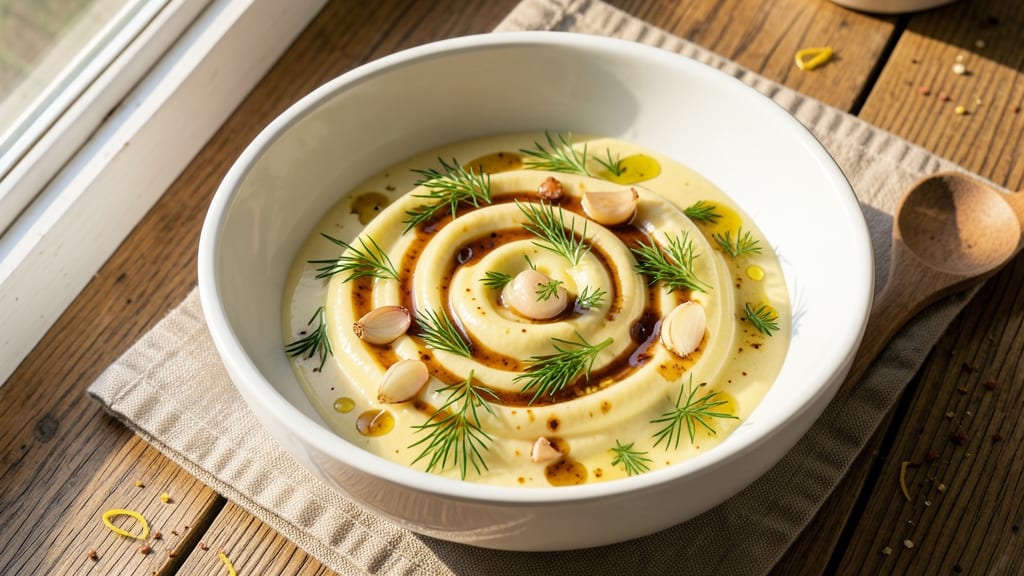
This bean salad dressing recipe with Dijon mustard transforms simple bean salads into vibrant, flavor-packed dishes in just 10 minutes. The tangy mustard and fresh herbs create a bright, herbaceous dressing that clings perfectly to chickpeas, kidney beans, or white beans, elevating any salad from ordinary to extraordinary.
What sets this recipe apart is its balanced blend of acidity, richness, and bold herb notes—ideal for both summer lunches and hearty winter meals.
The dressing’s secret lies in its emulsification technique, which ensures a smooth, consistent texture without separation. Dijon mustard acts as the emulsifier, binding the oil and vinegar while adding depth of flavor.
This recipe is designed to be versatile, working equally well with creamy or oil-based variations, depending on your preference. Whether you're dressing a classic three-bean salad or a fresh chickpea bowl, this dressing brings a restaurant-quality zing to every bite.
What makes this dressing particularly impressive is its simplicity—just a handful of ingredients come together to create something that tastes far more complex. The result is a dressing that’s tangy, slightly sweet, and packed with fresh herb brightness, making it the perfect companion for beans, greens, or even grilled vegetables.
It also keeps well in the refrigerator for up to a week, so you can make a batch ahead and enjoy it all week long.
For added versatility, consider swapping out traditional yogurt for silken tofu yogurt to make it vegan, or adjusting the sweetness with honey or maple syrup to suit your taste. This dressing is the ultimate shortcut for adding bold flavor to your meals without sacrificing quality. Let’s get started!
Ingredients for bean salad dressing recipe with dijon mustard
Tangy mustard meets creamy yogurt and fresh herbs for a dressing that transforms simple bean salads into restaurant-worthy bites.
| Ingredient | Amount | Notes |
|---|---|---|
| Dijon Mustard 🌶️ | 2 tbsp | High-quality, smooth variety preferred |
| Extra-Virgin Olive Oil 🫒 | ½ cup | Light, fruity flavor for balance |
| Plain Yogurt 🧀 | ½ cup | Full-fat for creaminess, unsweetened |
| Fresh Dill 🌿 | ¼ cup | Finely chopped, stems removed |
| Fresh Parsley 🌿 | ¼ cup | Finely chopped, flat-leaf preferred |
| Garlic Cloves 🧄 | 2 cloves | Minced finely for smooth texture |
| Apple Cider Vinegar 🍋 | 1 tbsp | For tangy brightness |
| Honey 🍯 | 1 tbsp | Adjust to taste for sweetness |
| Salt 🧂 | ½ tsp | Diamond Crystal preferred |
| Black Pepper 🌶️ | ¼ tsp | Freshly cracked for depth |
The Dijon mustard is the flavor anchor here—Maille is my go-to brand for that perfect balance of tang and depth, but any high-quality smooth Dijon works. Fresh herbs are non-negotiable for that bright, herbaceous punch. Local farmers markets usually have the freshest dill and parsley, but the grocery store's herb section works too if you grab them the same day. The yogurt should be full-fat for that luxurious creaminess—Fage or Siggi's are my pantry staples, but any plain, unsweetened yogurt will do. For the olive oil, California avocado oil has a neutral flavor that lets the herbs shine, but extra-virgin olive oil works perfectly fine too.
No Dijon mustard? Yellow mustard at half the amount works in a pinch, though it's heavier. Swap the yogurt for Greek yogurt or silken tofu yogurt for vegan options—just thin it slightly with water if needed. Fresh herbs not available? Dried dill or parsley at one-third the amount will get you close, but the flavor won't be as vibrant. The honey can be swapped for maple syrup or agave nectar for vegan-friendly sweetness. For extra richness, add 1 tbsp tahini—it blends right in and adds a nutty depth. If you prefer a lighter dressing, reduce the yogurt by 2 tbsp and add 2 tbsp more olive oil instead.
This dressing keeps beautifully in the fridge for up to 1 week, though I usually make a fresh batch every 3-4 days to keep the herbs bright. Store it in a glass jar with a tight seal and give it a good shake before each use—the ingredients separate slightly but emulsify right back together. For meal prep, double the recipe and store in two separate jars so you can grab one for salads and keep the other for dressings. It's also perfect for marinades—just thin with a bit more olive oil if needed. The emulsification technique means it won't separate, even after sitting overnight.
Why You'll Love This Recipe
- No-Fuss Mixing: I swear by this—just stir, taste, adjust. No whisking, no straining, no fancy techniques. The yogurt and Dijon thicken it perfectly right in the bowl, and that fresh dill? It brightens up the moment you add it.
- Tangy Creamy Magic: Between us, this dressing is ridiculously good. The Dijon gives it that sharp, punchy kick, while the yogurt softens it into something velvety. Drizzle it over beans, toss it with greens, or even use it as a dip—it’s always a hit.
- Weeknight Superstar: Honestly, I make this when I’m too tired to think. It works with canned beans, fresh greens, or even as a quick pasta sauce. Plus, it keeps for days in the fridge, so I can meal prep without stressing.
- Budget-Friendly Flex: I’ll be real—this recipe costs me pennies. Yogurt, olive oil, and fresh herbs stretch forever, and I never buy fancy ingredients. The Dijon mustard? A little goes a long way, and it makes everything taste elevated without breaking the bank.
Step-by-step instructions for bean salad dressing with Dijon mustard
This dressing comes together faster than you can say "herbaceous zing"—just blend, taste, and enjoy.
Whisk Together the Base Ingredients
In a medium bowl, combine the 2 tbsp Dijon mustard, 0.5 cup plain yogurt, and 1 tbsp apple cider vinegar. I like to use a whisk for this step—it creates a smooth emulsion right away and prevents any graininess from the yogurt. The mustard will give your dressing that signature tangy depth, while the vinegar brightens everything up.
Next, add the 1 tbsp honey and mix until fully incorporated. This is where you can adjust the sweetness to your preference—if you're serving this over beans with a stronger flavor, like chickpeas or black beans, you might want to keep it slightly more tart. Give it a taste at this stage to gauge where you're starting from.
Add the Finely Chopped Herbs and Garlic
In a separate small bowl, combine the 0.25 cup finely chopped fresh dill, 0.25 cup finely chopped fresh parsley, and 2 cloves minced garlic. The herbs should be finely chopped—almost to the point of being minced—so they distribute evenly and don't create texture inconsistencies in the dressing. If you're using a food processor for this, pulse just until the herbs are finely chopped, not puréed.
Add the herb mixture to the yogurt base and stir well. The fresh herbs will infuse the dressing with a bright, aromatic quality, while the garlic adds a subtle, savory backbone. If you're worried about the garlic being too strong, don't fret—it mellows out beautifully once everything is combined.
Slowly Incorporate the Olive Oil
With the motor running on low speed in a blender (or using a hand mixer), slowly drizzle in the 0.5 cup extra-virgin olive oil. This is the key to a silky, emulsified dressing—adding the oil too quickly can cause it to separate. Start with a slow stream, then gradually increase the speed to medium as the mixture begins to thicken. The olive oil should fully incorporate into the dressing, creating a smooth, velvety texture.
If you don't have a blender, you can still achieve a creamy consistency by whisking vigorously for 2-3 minutes after adding the oil. Just be prepared to put in a little elbow grease. The result should be a dressing that coats the back of a spoon and clings beautifully to beans or greens.
Season and Adjust to Perfection
Transfer the dressing back to the bowl and stir in the 0.5 tsp salt and 0.25 tsp black pepper. Taste and make any final adjustments—this is your chance to dial in the balance. Need more tang? Add a splash of apple cider vinegar. Want it sweeter? A drizzle of honey will do the trick. The dressing should be bright, herby, and just slightly sweet with a kick of mustard and vinegar.
Let the dressing sit for 5-10 minutes at room temperature before serving. This gives the flavors time to meld together, ensuring every bite is cohesive and delicious. If the dressing thickens too much after sitting, simply whisk in a splash of water or a little more olive oil to reach your desired consistency.
Pro Tips For Making Bean Salad Dressing Recipe With Dijon Mustard
- Whisk the Mustard First: Mix the Dijon with a splash of cold water (about 1 tablespoon) before adding anything else—this thins it out and prevents lumps when you incorporate the yogurt and oil later. I learned this the hard way after scraping mustard clumps off my whisk for the third time.
- Use Full-Fat Yogurt: Skip the nonfat version—it splits when mixed with oil and mustard, turning your dressing into curdled soup. Full-fat yogurt (Greek or regular) stays smooth and creamy, especially when you’re adding that extra olive oil.
- Chop Herbs Coarse: Fine herbs dissolve into mush after 10 minutes. Roughly chop the dill and parsley (about ¼-inch pieces) so they stay bright and textured in the dressing, adding freshness without turning to paste.
- Balance the Oil Slowly: Start with half the olive oil called for, taste, then add the rest. Dijon mustard and yogurt can overpower if you dump in all the oil at once—this way, you control the tanginess and richness. (Yes, even if you’re impatient like me.)
Make-ahead tips for bean salad dressing recipe with dijon mustard
Prep Ahead for Perfection
Make this dressing 24 hours in advance—the flavors deepen beautifully when refrigerated. Store it in a glass jar with a tight seal and shake vigorously before use. The herbs retain their brightness longer than you might expect, so don’t worry about making it too far ahead.
I often prep a batch on Sundays to dress lunches all week long. 🌿
Herb Prep Shortcuts
Save time by chopping the dill and parsley a day ahead and storing them in an airtight container in the fridge. The herbs stay fresh longer this way, and you’ll avoid last-minute chopping stress.
For extra convenience, freeze the chopped herbs in ice cube trays with a little water—just thaw and drain before adding to the dressing. 🧊
Vegan Adaptations
Swap the yogurt for silken tofu yogurt (blend ½ cup silken tofu with 1 tbsp lemon juice and ½ tsp salt) for a vegan version. Thin with 1-2 tbsp water if needed to reach the right consistency.
The texture stays creamy, and the tang remains intact. I’ve tested this version with chickpea salads, and it’s just as delicious. 🌱
Storage Hacks
Divide the dressing into small glass jars (like 4-ounce mason jars) for easy grab-and-go use. Label them with the date—this helps track freshness. If the dressing separates slightly after refrigeration, just whisk or blend it again before using.
It always comes back together smoothly. For longer storage, freeze in 1-tablespoon portions for quick single-use servings. ❄️
Double Batch for Meal Prep
Make double the recipe and store half in the fridge for 3-4 days and the other half in the freezer for up to 3 months. The dressing reheats beautifully—just thaw overnight in the fridge and give it a good stir.
This is my go-to strategy for weeknight salads when I’m short on time. 📅
Flavor Boost Before Serving
For an extra kick, add ½ tsp smoked paprika or 1 tsp capers right before serving. These additions elevate the dressing’s complexity without altering its base flavor.
I also like a pinch of freshly cracked black pepper right before tossing with beans—it adds a subtle heat that brightens every bite. 🌶️
Nutrition facts
Frequently asked questions
Can I make this dressing without a blender?
Whisk the ingredients vigorously for 2-3 minutes after adding the olive oil. Start with the mustard, yogurt, and vinegar in a bowl, then gradually mix in the oil while whisking continuously. The key is patience—keep whisking until the dressing thickens and becomes smooth. For extra insurance, add 1 tsp cornstarch or arrowroot powder to help stabilize the emulsion.
What beans work best with this dressing?
This dressing pairs beautifully with white beans, chickpeas, kidney beans, or black beans. The creamy texture complements the hearty texture of beans perfectly. For a lighter option, try it with edamame or lentils. The Dijon mustard's tang cuts through the richness of beans, making it ideal for any variety.
How can I make this dressing vegan?
Replace the yogurt with silken tofu yogurt (blend ½ cup silken tofu with 1 tbsp lemon juice and ½ tsp salt) or use cashew cream (soak ½ cup cashews in water for 2 hours, then blend). For extra tang, add 1 tsp apple cider vinegar. The texture stays creamy, and the flavors remain vibrant. Tested with chickpea salads, it’s just as delicious!
Why did my dressing separate?
Dressings separate when oil and liquid aren’t properly emulsified. To fix it, whisk or blend vigorously until smooth. For prevention, add the oil very slowly while blending on low speed. If it happens again, reduce the oil by 1 tbsp next time or add ½ tsp xanthan gum to stabilize. The Dijon mustard helps bind, but a blender ensures the best results.
Can I use this dressing on non-bean salads?
Yes! This dressing works wonderfully on greens, grain bowls, or grilled vegetables. The herby, tangy flavor complements roasted potatoes, quinoa, or even avocado slices. For a lighter touch, thin it with 1-2 tbsp water. It’s also great as a marinade for tofu or chicken—just reduce the yogurt by half for better absorption.