
Salads
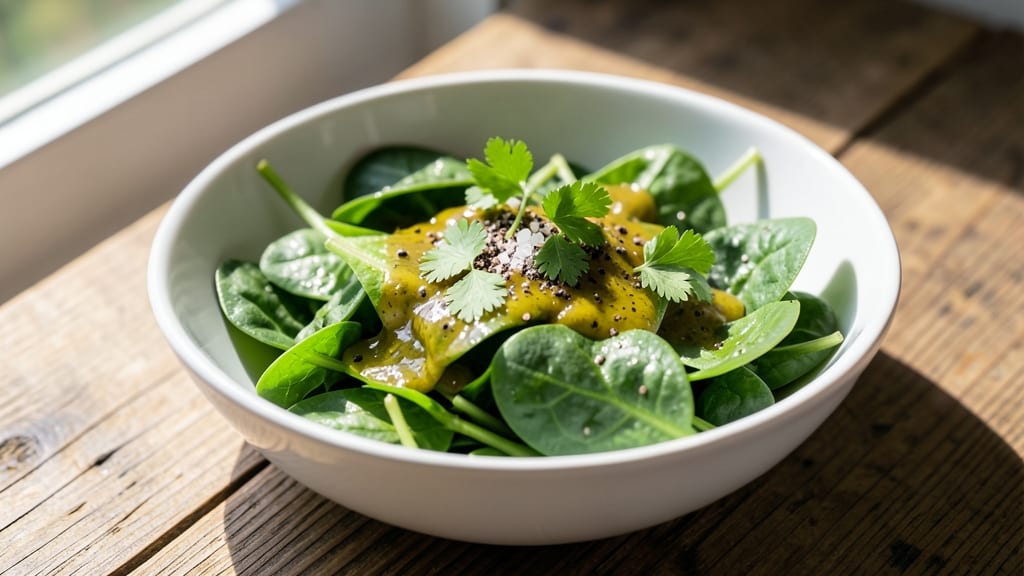
A basic salad vinaigrette recipe transforms ordinary greens into vibrant, restaurant-quality meals with just five ingredients and minutes of prep time. The secret lies in balancing bold flavors—tangy vinegar, rich olive oil, and a touch of Dijon mustard—while keeping the technique simple enough for any home cook.
This versatile dressing elevates everything from simple greens to hearty grain bowls, and it stores perfectly for up to a week in the fridge.
What sets this vinaigrette apart is its foolproof ratio: equal parts oil and vinegar, with Dijon mustard as the emulsifier to prevent separation. Fresh herbs like parsley or chives add brightness, while a pinch of salt and pepper enhances depth.
The result is a dressing that's bright, balanced, and ready in under five minutes—no fancy equipment required. Whether you prefer classic red wine vinegar or a sharper apple cider variety, the principles remain the same.
The magic happens when you whisk these ingredients together until fully emulsified, creating a silky texture that coats every leaf and ingredient. This dressing works equally well on mixed greens, roasted vegetables, or even as a marinade for grilled chicken.
The key is adjusting the ratios to taste—more oil for richness, more vinegar for tang—so you can customize it to your preference.
Store any leftovers in a sealed jar in the refrigerator, and give it a good shake before each use to maintain that perfect emulsification. With just a few pantry staples, you'll have a dressing that transforms simple salads into gourmet meals every time. Let's get started!
Ingredients for basic salad vinaigrette
Five simple ingredients transform any salad into a restaurant-worthy meal in minutes.
| Ingredient | Amount | Notes |
|---|---|---|
| Extra-Virgin Olive Oil 🫒 | ½ cup | High-quality, fruity variety |
| Red Wine Vinegar 🍷 | ½ cup | Or apple cider vinegar |
| Dijon Mustard 🥫 | 1 tbsp | For emulsification and depth |
| Fresh Parsley 🌿 | ¼ cup | Chopped, packed loosely |
| Sea Salt 🧂 | ½ tsp | Fine grain preferred |
| Freshly Ground Black Pepper 🌶️ | ¼ tsp | Freshly cracked for best flavor |
| Garlic Cloves 🧄 | 1 clove | Minced for subtle depth |
The olive oil and vinegar are the stars here—look for extra-virgin olive oil with a fruity aroma, not that cheap supermarket stuff. Trader Joe's and Whole Foods have great options, but any decent bottle works. Red wine vinegar is classic, but apple cider vinegar adds a sweeter tang if you prefer. The Dijon mustard is non-negotiable—it's what keeps everything emulsified. Fresh parsley brightens the whole thing, but chives or basil work too if that's what you've got. I always grab extra parsley because it wilts fast, and you can use the rest in other dishes.
No Dijon mustard? Yellow mustard at half the amount works in a pinch, though it won't be as smooth. Short on parsley? Dried parsley at one-third the amount gets you close, but fresh is definitely better. The garlic is optional but adds a nice depth—skip it if you're sensitive to strong flavors. For a sharper dressing, add an extra tablespoon of vinegar. For richness, add more oil. The key is tasting as you go—this is one of those recipes where you can't really mess it up, but adjusting to taste makes all the difference.
This keeps beautifully in a sealed jar in the fridge for up to 1 week. Give it a good shake before each use—it'll separate a bit, but that's normal. If it gets too thick, just whisk in a splash of water or vinegar. I make a big batch and use it all week on salads, roasted veggies, or even as a marinade for grilled chicken. The ratios are flexible, so don't be afraid to experiment—more oil for richness, more vinegar for tang, and always finish with salt and pepper to taste.
Why You'll Love This Recipe
- No-Fuss Whisking: I swear by this one because it’s three ingredients plus salt—no fancy gadgets, no measuring cups if you’re eyeballing it. Just pour, stir, taste, repeat. That’s it.
- Tangy Kick: The red wine vinegar and Dijon mustard team up for a bright, sharp bite that cuts through anything—greasy roasted chicken, wilted greens, even grilled cheese. Honestly, I’ve used it on eggs, potatoes, you name it.
- Weeknight Secret Weapon: I keep a jar in my fridge for when I’m too tired to think. Drizzle it over last night’s roast veggies, toss it with store-bought salad mix, or even mix it into cold pasta. It’s the lazy person’s flavor upgrade.
- Lasts Forever: This stuff doesn’t spoil. I’ve had vinaigrette linger in my fridge for weeks, and it’s still good—just add a splash of water to thin it out. Plus, olive oil’s cheap, so I’m not stressing over wasted ingredients.
Step-by-step instructions for basic salad vinaigrette
This simple dressing comes together in minutes—no fancy tools needed.
Whisk Together the Vinegar Base
In a medium bowl, combine the 0.5 cup red wine vinegar, 1 tbsp Dijon mustard, 0.5 tsp sea salt, and 0.25 tsp freshly ground black pepper. Use a whisk to blend these ingredients until fully incorporated—you should see tiny bubbles forming from the mustard's emulsifying power. This base creates the tangy foundation that balances the richness of the olive oil.
The Dijon mustard acts as a natural emulsifier, helping the oil and vinegar blend smoothly. If you don't have a whisk, a fork works just fine—just stir vigorously for about 30 seconds until everything looks uniform. This step is quick, but don't rush it; proper emulsification is key to a silky dressing that won't separate.
Gradually Add the Olive Oil
With the whisk still in the bowl, begin adding the 0.5 cup extra-virgin olive oil very slowly—about 1 tablespoon at a time. After each addition, whisk vigorously for 10-15 seconds until the mixture begins to thicken slightly. The goal is to create a smooth, creamy texture that coats the back of your spoon.
Adding the oil too quickly can cause the dressing to break and separate. If this happens, just whisk in a splash of vinegar to re-emulsify. You'll know you're on track when the dressing looks glossy and holds its shape when drizzled onto a plate. The olive oil should be fully incorporated, leaving no visible oil pools.
Fold in the Garlic and Parsley
Once the oil is fully incorporated, stir in the 1 minced garlic clove and 0.25 cup chopped fresh parsley using a wooden spoon. The garlic adds a subtle depth of flavor, while the parsley brightens the dressing with freshness. Mix just until the herbs are evenly distributed—overmixing can bruise the parsley and release bitterness.
Here's the thing—taste as you go. If the dressing needs more salt, add a pinch at a time. If it's too sharp, stir in another teaspoon of olive oil to mellow the acidity. The parsley should be visible but not clumpy, and the garlic should be evenly dispersed. This is your chance to adjust the balance before serving.
Let It Rest and Emulsify
Transfer the dressing to a clean jar or airtight container and let it sit at room temperature for 5-10 minutes. This resting period allows the flavors to meld and the emulsion to stabilize. You'll notice the dressing becomes slightly thicker and more cohesive as the ingredients marry together.
Give it a final stir before using. If the dressing separates slightly after resting, just whisk or shake the container vigorously to re-emulsify. The beauty of this recipe is its versatility—it keeps well in the fridge for up to 5 days, making it perfect for meal prep. Just remember to give it a good shake before each use to maintain that perfect consistency.
Pro Tips For Making Basic Salad Vinaigrette
- Whisk in Stages: Start by mixing the Dijon mustard and vinegar first—this emulsifies the mustard properly before adding oil. Drizzle in the olive oil slowly while whisking like you’re trying to win a race against separation (because you are). Stop when it’s thick but still pourable—if it gets too stiff, add a teaspoon of warm water to loosen it up.
- Salt the Parsley: Toss the chopped parsley with a pinch of salt right after cutting—it softens the leaves and brings out their flavor. Then, when you fold it into the dressing, the salt will distribute evenly instead of clumping. (Yes, even if the parsley is fresh from the garden and looks perfect.)
- Avoid Vinegar Shock: If your red wine vinegar tastes harsh or overly tangy, it’s probably unbalanced. Balance it by adding the mustard first, then vinegar, then oil—this smooths out the acidity. Pro move: Let the raw dressing sit for 10 minutes before tossing it with salad; the flavors mellow out.
- Use Cold Mustard: Grab the Dijon from the fridge—cold mustard blends more smoothly into the oil and vinegar without turning grainy. I learned this the hard way after making a batch that looked like it had sand in it. Trust me, your dressing will thank you.
Health benefits of this basic salad vinaigrette
Digestive Benefits
This vinaigrette is surprisingly gentle on digestion thanks to its low-fat content (just 2 tablespoons of olive oil per serving) and absence of heavy dairy or processed ingredients.
The red wine vinegar contains acetic acid, which studies show may improve gut motility and reduce bloating—perfect if you're sensitive to greasy dressings. 💪
Antioxidant Powerhouse
The extra-virgin olive oil provides polyphenols like oleocanthal, which act as natural anti-inflammatory agents. Meanwhile, fresh parsley delivers vitamin K and vitamin C, supporting immune function while adding vibrant color. Even the Dijon mustard contributes calcium and iron—so every drizzle packs a nutritional punch.
Blood Sugar Support
Unlike creamy dressings loaded with sugar, this vinaigrette has zero added sugars and a low glycemic index due to its vinegar base. Research suggests vinegar may help stabilize blood sugar spikes after meals, making it a smart choice for balanced meals.
The garlic even adds allicin, which may improve insulin sensitivity.
Heart-Friendly Fat Profile
While olive oil is rich in healthy monounsaturated fats, the 1:1 oil-to-vinegar ratio keeps total fat per serving modest (~120 calories per 2 tablespoons).
The vinegar also helps lower LDL cholesterol when consumed regularly. For extra heart benefits, swap in avocado oil for even more omega-9 fatty acids.
Low-Calorie Versatility
At just ~50 calories per tablespoon, this dressing lets you enjoy bold flavors without guilt. It’s ideal for weight management because you can control portion sizes precisely—unlike thick creamy dressings that often get overused. The herbs and garlic add volume and flavor without extra calories, making salads more satisfying.
Allergy-Friendly Foundation
This recipe is naturally gluten-free, dairy-free, and nut-free, making it safe for most common food sensitivities. The only potential allergen is mustard, but you can easily omit it or use tahini (sesame-free) as an alternative emulsifier.
Always check labels if using store-bought vinegars or oils with additives. ✨
Nutrition facts
Frequently asked questions
Can I make this vinaigrette without Dijon mustard?
Yes! If you're missing Dijon, use 1 teaspoon of yellow mustard or ½ teaspoon of honey as a substitute. For a mustard-free version, whisk in ½ teaspoon of tahini or 1 tablespoon of lemon juice to help emulsify the oil and vinegar. The flavor will be slightly different, but the texture will still work beautifully.
How do I fix a separated vinaigrette?
Simply shake or whisk the jar vigorously for 10-15 seconds to re-emulsify. If it still separates after shaking, add 1 teaspoon of vinegar or ½ teaspoon of Dijon mustard, then whisk again. This happens naturally over time, especially if you forget to shake before using. The dressing is still safe to eat—it just needs a quick refresh!
What's the best vinegar for this recipe?
Red wine vinegar is classic, but apple cider vinegar adds a sweeter tang, while balsamic vinegar creates a richer, slightly sweeter dressing. For a sharper bite, try white wine vinegar or rice vinegar. Experiment to find your favorite! Just remember, the flavor will mellow slightly after resting in the fridge.
Can I use this dressing on cooked vegetables or proteins?
This vinaigrette works perfectly as a marinade for grilled chicken, salmon, or tofu—just marinate for 15-30 minutes before cooking. It also elevates roasted vegetables like Brussels sprouts or carrots. For extra flavor, add 1 teaspoon of soy sauce or a pinch of smoked paprika when using it as a marinade.
Why does my vinaigrette taste too sharp?
If your dressing tastes too tangy, balance it by adding 1-2 extra tablespoons of olive oil and whisking well. The oil mellows the acidity while maintaining the perfect emulsion. Alternatively, reduce the vinegar slightly next time—start with ¼ cup vinegar instead of ½ cup and adjust to taste. Always taste as you go!