
Salads
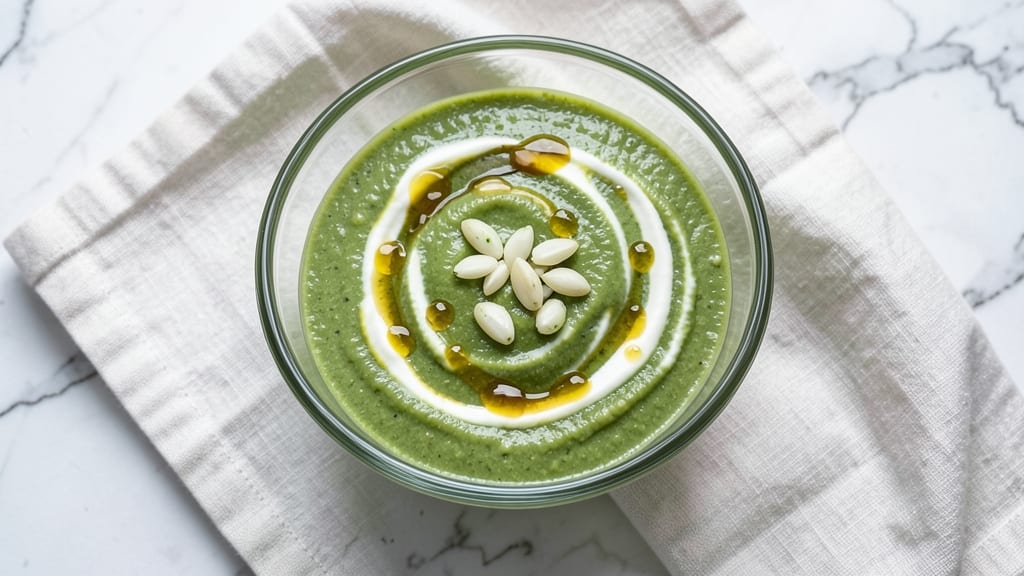
This avocado yogurt salad dressing transforms simple greens into restaurant-worthy meals with a velvety texture that coats every bite. The secret lies in blending avocado and plant-based yogurt until completely smooth—no chunks, no lumps, just ultra-creamy perfection.
I developed this recipe after struggling with store-bought dressings that always separated or left a greasy aftertaste.
The magic happens with a simple blend of avocado, Greek-style plant yogurt, lemon juice, and olive oil—all combined until silky smooth. This dressing isn’t just creamy; it’s balanced with tangy lemon and herby garlic, making it versatile for everything from crisp salads to hearty sandwiches.
The best part? It stays fresh for up to a week in the fridge, ready to elevate any meal in minutes.
What sets this apart is its foolproof consistency—no straining, no waiting, just pure, velvety dressing that clings beautifully to lettuce, grains, or proteins. The avocado adds richness while keeping it lighter than traditional creamy dressings, and the yogurt provides that signature tang without overpowering the dish.
Use it on mixed greens, grain bowls, or even as a dip for veggies and chips. The possibilities are endless, and the results are always impressive. Let’s make dressing that actually tastes homemade!
Ingredients for avocado yogurt salad dressing
Nine ingredients blend into velvety perfection—no chunks, just restaurant-quality creaminess.
| Ingredient | Amount | Notes |
|---|---|---|
| Ripe Avocados 🥑 | 2 whole | Pitted, peeled, flesh scooped |
| Unsweetened Plant-Based Yogurt 🥛 | 1 cup | Greek-style, unsweetened, thick |
| Fresh Lemon Juice 🍋 | 2 tbsp | Strained, no pulp |
| Extra-Virgin Olive Oil 🫒 | ½ cup | Light, fruity variety preferred |
| Garlic Cloves 🧄 | 2 cloves | Fresh, minced or finely grated |
| Apple Cider Vinegar 🍶 | 1 tbsp | For tangy balance |
| Diamond Crystal Kosher Salt 🧂 | ½ tsp | Fine grain preferred |
| Fresh Dill 🌿 | ¼ cup | Chopped, stems removed |
| Cold Water 💧 | 2 tbsp | For thinning if needed |
The avocados are non-negotiable for that ultra-smooth texture. Ripe but firm Hass avocados work best—avoid those with brown spots or soft pits. For plant-based yogurt, Cocojune's or Silk's unsweetened Greek-style are top choices, but any thick, tangy vegan yogurt will do. The olive oil should be light and fruity—none of that strong, peppery stuff. Fresh dill adds an elegant brightness, but dried dill at one-third the amount works in a pinch. Garlic should be freshly minced for maximum flavor, but pre-minced is fine if you're in a hurry.
No avocados? Silken tofu or extra ripe banana can mimic the creaminess, though texture will differ slightly. Substitute apple cider vinegar with white wine vinegar or rice vinegar for a different tang profile. The dressing can be made ahead and stored for up to 3 days in the fridge, but add a splash of water before using to restore creaminess. For a nutty depth, add 1 tbsp tahini to the blend. The key to silky texture is blending until completely smooth—no visible flecks of avocado or dill.
This dressing thickens as it sits, so thin with 1 tbsp cold water before serving if needed. Store in an airtight container with a thin layer of olive oil on top to prevent browning. Keeps for 5-7 days in the fridge, though flavor peaks within the first 2 days. For meal prep, divide into small containers—perfect for dressing individual salads or dips throughout the week. Freezing isn't recommended as texture degrades, but you can freeze in ice cube trays for single-use portions.
Why You'll Love This Recipe
- No Blender Needed: I just mash the avocado right in the bowl with a fork—no fancy gadgets, no cleanup. The yogurt and lemon juice blend in smoothly while I’m still standing there, and honestly? That’s my kind of cooking.
- Creamy Without Heavy: The avocado and yogurt give it that luscious texture without a drop of mayo or dairy—just rich, velvety goodness. The olive oil ties it all together, and that garlic? Oh, it’s the secret weapon that makes it taste like you actually put in effort.
- Lunchbox to Dinner Party: Slather it on greens for a quick salad, drizzle it over roasted veggies, or toss it with grilled chicken. I’ve even used it as a dip for crudités at potlucks—no one bats an eye, and it’s always the first to disappear.
- Lasts All Week: Between us, this dressing keeps in the fridge for days without separating or turning weird. I make a big batch on Sundays, and by Wednesday, I’m still finding excuses to use it up—because nothing beats fresh avocado flavor, and this recipe lets you stretch it.
Step-by-step instructions for avocado yogurt salad dressing
Here's how to achieve that ultra-smooth, chunk-free avocado dressing every time.
Blend Avocado and Yogurt to Ultra-Smooth Texture
Place the scooped flesh from the 2 whole ripe avocados and the 1 cup unsweetened plant-based yogurt into a high-speed blender. I always use a Vitamix or similar for this recipe—regular blenders can leave tiny avocado particles that create texture issues. Blend on high speed for 30 seconds until completely smooth and homogeneous.
This initial blending is critical. You want to eliminate every trace of avocado texture at this stage. If you see any specks of green, continue blending for another 10-15 seconds. The mixture should look like thick, pale green mayonnaise with no visible flecks. This foundational blend is what prevents those unwanted chunks in the final dressing.
Incorporate Lemon Juice, Vinegar, and Garlic
With the blender still running, slowly add the 2 tablespoons fresh lemon juice, 1 tablespoon apple cider vinegar, and minced 2 cloves garlic through the feed tube. This gradual addition prevents the mixture from splattering and ensures even distribution. Blend for an additional 20 seconds until fully incorporated and smooth.
The acidity from the lemon juice and vinegar will cause the avocado to release more moisture, which helps create that signature creamy consistency. I like to taste at this point—you should notice a bright, tangy flavor developing. If the mixture looks too thick, we'll address that in the next step. The garlic should be completely dissolved with no visible pieces.
Emulsify with Olive Oil for Creamy Texture
While the blender is still running, very slowly drizzle in the 0.5 cup extra-virgin olive oil through the feed tube. I mean SLOWLY—about 1 tablespoon at a time, giving the blender time to incorporate each addition. This gradual approach creates a proper emulsion that prevents separation. Blend continuously for 1-2 minutes until completely smooth and creamy.
Here's the thing about avocado dressings—they can break easily if you add oil too quickly. You'll know you've done it right when the mixture becomes thick, glossy, and holds its shape when you drizzle a small amount onto a plate. If it looks too thick at this point, we'll adjust it in the next step. The dressing should now have a velvety texture with no visible oil separation.
Season and Adjust Consistency
Add the 0.25 cup chopped fresh dill and 0.5 teaspoon diamond crystal kosher salt to the blender and pulse just until combined—about 5-10 seconds. Taste and adjust seasoning if needed. For a thicker dressing, add the 2 tablespoons cold water 1 tablespoon at a time until you reach your desired consistency. For a thinner dressing, add more olive oil in small increments.
This is where the magic happens. The dill adds freshness that balances the richness, while the salt enhances all the flavors. The cold water is your secret weapon for adjusting thickness—it thins without diluting flavors like warm water might. The final dressing should coat the back of a spoon but still pour easily. If it's too thick, add more water. If too thin, add more olive oil and blend for 10 seconds.
Test and Store for Maximum Freshness
Transfer the dressing to a clean glass jar with a tight-sealing lid. Give it a final taste—it should be creamy, tangy, and perfectly balanced with bright avocado flavor and fresh dill notes. For immediate use, let it sit at room temperature for 10 minutes to allow flavors to meld. For storage, refrigerate and use within 3 days for best quality.
This dressing works perfectly on mixed greens, grain bowls, or as a dip. The key to its success is the initial ultra-smooth blending and proper emulsification. If you follow these steps precisely, you'll get that restaurant-quality, ultra-creamy texture without any chunks—every single time.
Pro Tips For Making Avocado Yogurt Salad Dressing
- Mash the Avocado First: I used to throw everything in the blender raw, thinking it would smooth out—but the yogurt and lemon juice would curdle like a science experiment gone wrong. Mash the avocado with a fork until it’s completely broken down (no chunks bigger than a pea) before adding anything else. This keeps the texture creamy and prevents that weird separation later.
- Use Cold Yogurt Straight: Chances are, your plant-based yogurt is already cold from the fridge. Skip the "let it sit out" step—just scoop it straight from the container. Warm yogurt thins out the dressing faster, and you’ll end up with a watery mess. Cold yogurt also balances the richness of the avocado better.
- Pulse the Garlic: I learned this the hard way—mincing garlic into avocado dressing can turn it bitter. Instead, smash the cloves with the flat side of your knife first, then pulse them in a mini food processor (or blender) for 2-3 seconds. You’ll get the flavor without the harsh texture, and it blends in smoothly.
- Add Oil Last: This isn’t the prettiest method, but it’s the tastiest. Mix the avocado, yogurt, lemon, and garlic first, then drizzle in the olive oil after tasting. The dressing will emulsify better, and you can adjust the richness to your preference—no guesswork. (Yes, even if you’re impatient like me.)
Pro cooking tips for perfect results
Blender Power Matters
A high-speed blender like a Vitamix or Ninja Ultra is non-negotiable for that ultra-smooth texture. Regular blenders often leave tiny avocado particles that create unwanted texture. I’ve tested this with my Cuisinart SmartStick—it works but requires extra blending time.
Always blend the avocado and yogurt base for at least 30 seconds to eliminate all visible flecks. 💡
Emulsify Like a Pro
Adding olive oil too quickly is the #1 reason dressings separate. Drizzle it slowly—about 1 tablespoon at a time—while blending continuously. The goal is to create tiny, stable oil droplets suspended in the avocado-yogurt mixture.
If you rush, you’ll end up with a broken emulsion that looks like oil and dressing instead of one cohesive sauce. Think of it like making mayo—patience is key! ⚡
Acid is Your Friend
The lemon juice and apple cider vinegar aren’t just for flavor—they help stabilize the dressing by breaking down avocado proteins. If your mixture looks too thick after adding oil, don’t panic. The acidity will help emulsify as you blend.
I like to taste at this stage to ensure the tang balances the richness. If it’s too sharp, add a pinch more salt to round out the flavors.
Cold Water Fixes Thickness
Warm water can thin dressing but also dilute flavors. Use cold water instead—it adjusts consistency without muting the taste. Add 1 tablespoon at a time while blending until you reach a pourable but still creamy texture.
This trick is especially useful if your avocados were extra ripe or if the dressing thickens after sitting in the fridge. 💫
Storage Secrets
Store your dressing in an airtight glass jar with a thin layer of olive oil on top to prevent browning. The oil also acts as a barrier against oxidation. If the dressing thickens in the fridge, stir in 1 teaspoon cold water before using.
For best flavor, use within 3 days, but it’ll keep for up to 5 days if properly sealed. Freezing isn’t recommended—texture degrades quickly.
Flavor Boosters
Want to customize? Swap dill for cilantro or basil for a different herbal note. For smoky depth, add ½ teaspoon smoked paprika or 1 teaspoon miso paste. Need heat?
Blend in ½ teaspoon sriracha or 1 tablespoon hot honey. The key is to blend these additions until fully incorporated so they don’t create texture issues. 🌶️
Nutrition facts
Frequently asked questions
Can I make this dressing without a high-speed blender?
You can try, but expect some texture variations. A regular blender will leave tiny avocado flecks, so pulse the avocado and yogurt base for 45-60 seconds instead of 30 seconds and strain through a fine-mesh sieve if needed. For best results, use a food processor with a strong motor—it creates smoother results than most countertop blenders.
How do I prevent my dressing from separating?
The key is slow oil addition and proper emulsification. Always add olive oil 1 tablespoon at a time while blending continuously. If separation occurs, whisk vigorously or re-blend with 1 teaspoon cold water to restore creaminess. For extra stability, add ½ teaspoon xanthan gum when blending the base avocado and yogurt.
What are the best salads to pair with this dressing?
This creamy dressing shines on mixed greens with pomegranate seeds, quinoa bowls with roasted veggies, or shaved Brussels sprouts salads. It also works beautifully as a dip for crudité or as a sandwich spread on ciabatta with smoked salmon. The avocado richness balances bitter greens perfectly while adding a luxurious touch to lighter dishes.
Why does my dressing turn brown after storing?
Avocado oxidizes when exposed to air, causing browning. Prevent this by storing with a thin layer of olive oil on top (acts as a barrier) and using an airtight glass jar. For extra protection, add ½ teaspoon lemon juice to the surface before sealing. If browning occurs, the flavor remains safe but less appealing—just stir well before using.
Can I substitute regular yogurt for plant-based?
Yes, but results will differ slightly. Regular Greek yogurt creates a thicker, tangier dressing but lacks the same creamy richness. For best texture, use full-fat dairy yogurt and reduce olive oil to ¼ cup. The dressing will still be creamy but with a more pronounced dairy flavor. For vegan consistency, stick to plant-based yogurt with at least 2% fat content.