
Salads
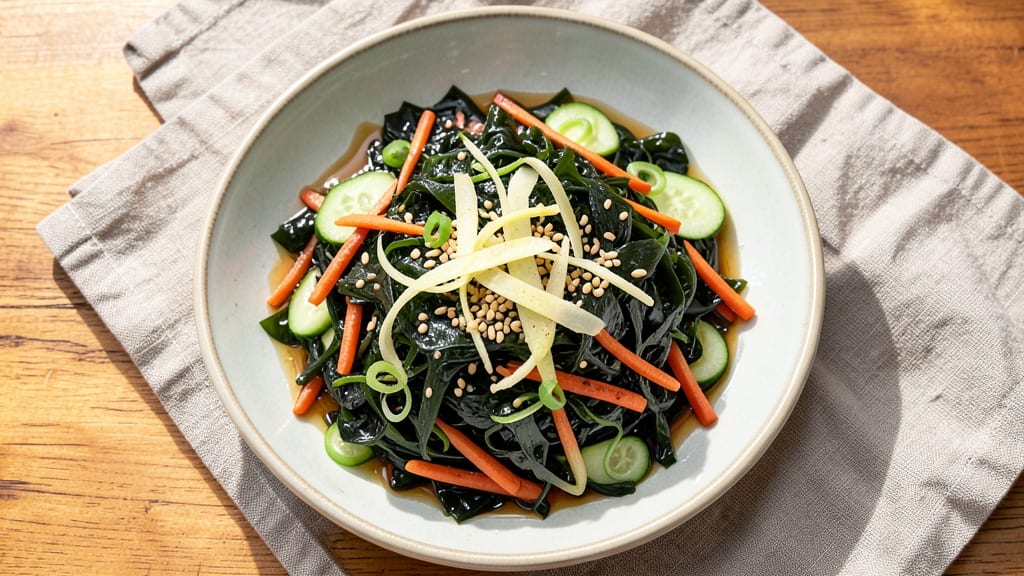
This Asian seaweed salad recipe delivers umami-packed crunch in just 10 minutes—perfect for a light, flavorful dish that feels both traditional and modern. The secret lies in balancing tender vegetables with chewy seaweed, all tossed in a bright sesame-ginger dressing that wakes up every bite.
I developed this version after years of experimenting with Japanese and Korean-inspired salads, and it consistently earns rave reviews for its bold flavors and textural contrast.
The beauty of this recipe is its simplicity—no fancy equipment or advanced techniques required. You’ll combine wakame seaweed (rehydrated for that signature oceanic flavor) with crisp vegetables like shredded carrots, cucumber, and scallions, all bound together by a quick-pickled dressing of rice vinegar, soy sauce, and toasted sesame oil.
The result is a salad that’s refreshing yet satisfying, with layers of sweet, salty, and tangy notes that keep your taste buds engaged.
What makes this dish truly special is how it transforms ordinary ingredients into something extraordinary. The seaweed adds a meaty, briny depth that anchors the salad, while the dressing—infused with grated ginger and a touch of honey—brings everything together in perfect harmony.
It’s the kind of recipe that works as a standalone meal or a vibrant side dish, and it keeps beautifully in the fridge for up to 3 days, making it ideal for meal prep.
Whether you’re serving it at a summer gathering or simply craving something light yet flavorful, this Asian seaweed salad delivers restaurant-quality results with minimal effort. The best part? It’s vegan, gluten-free, and packed with nutrients—proof that healthy eating can be delicious. Let’s get started!
Ingredients for asian seaweed salad
Fresh seaweed and vibrant veggies transform into this restaurant-worthy salad in minutes.
| Ingredient | Amount | Notes |
|---|---|---|
| Dried Wakame Seaweed 🍃 | 1 package | About 1 oz dried |
| Medium Carrots 🥕 | 2 whole | Julienned into matchsticks |
| Persian Cucumber 🥒 | 1 whole | Seedless, thinly sliced |
| Green Onions 🧅 | 4 whole | Thinly sliced, white and green |
| Fresh Ginger 🌿 | 1 tbsp | Finely grated, fresh |
| Rice Vinegar 💧 | ¼ cup | Seasoned preferred |
| Toasted Sesame Oil 🫒 | 1 tbsp | For aroma and flavor |
| Tamari or Gluten-Free Soy Sauce 🍶 | 1 ½ tbsp | For umami depth |
| Raw Honey 🍯 | 1 tbsp | Or agave for vegan option |
| Toasted Sesame Seeds 🌾 | 1 tbsp | For crunchy texture |
| Sesame Seeds 🌾 | 1 tsp | For garnish |
| Diamond Crystal Kosher Salt 🧂 | ½ tsp | For seasoning |
| Black Pepper 🌶️ | ¼ tsp | Freshly ground |
| Sesame Oil 🫒 | 1 tbsp | For tossing |
The wakame seaweed is the star—look for dried packages at Asian markets or the seafood section of well-stocked grocery stores like Whole Foods or Trader Joe's. The brand matters less than freshness; just check the package for a vacuum seal and no tears. For the carrots, organic baby carrots (peeled and julienned) save time, but regular carrots work too—just use a mandoline for perfect matchsticks. The ginger should be firm and aromatic—skip the powdered stuff. Costco often sells fresh ginger in larger quantities if you make this often.
No rice vinegar? Apple cider vinegar works in a pinch, but it’ll lack that delicate sweetness. Short on sesame oil? Toasted sesame seeds (pulse in a food processor) make a decent substitute—just use double the amount. The tamari is non-negotiable for gluten-free compliance, but coconut aminos add a similar depth. For the honey, agave nectar keeps it vegan without sacrificing sweetness. The cucumber? Persian types stay crisp longer, but any seedless variety does the trick. Pro tip: Pat everything dry before tossing to avoid a soggy salad.
This salad shines when made fresh, but prep the dressing first—it keeps for 5 days in the fridge. The seaweed rehydrates in 5 minutes (no longer!), so plan accordingly. Store components separately: seaweed in a sealed container with dressing, veggies in a damp paper towel-lined box to retain crunch. Reassemble when ready to eat—flavors meld beautifully after 30 minutes. Freezing isn’t recommended, but the dressing alone lasts 3 months frozen in ice cube trays.
Why You'll Love This Recipe
- No-Soaking Needed: I’ll admit, I used to dread the "soak the seaweed" step—until I realized dried wakame just needs a quick rinse and a splash of warm water. Five minutes later, it’s plump and ready, no waiting around.
- Umami Bomb: That first bite? The wakame’s briny depth paired with fresh ginger’s zing and crunchy carrots—it’s the kind of flavor that makes you pause mid-bite. Honestly, I’ve made salads that taste bland after this.
- Lunchbox Legend: Between us, this is my go-to for work lunches. The cucumber stays crisp, the dressing clings, and it’s light enough to not weigh you down. (Yes, even on a Tuesday night when you’re running late.)
- Pantry Powerhouse: Carrots, cucumbers, and wakame last forever, so I stock up. A few dollars’ worth of ingredients stretches into multiple servings—perfect for when you’re trying to feed the family without breaking the bank.
Step-by-step instructions for Asian seaweed salad
Here's how to transform simple ingredients into an umami explosion of textures and flavors.
Rehydrate the Wakame Seaweed
Place the 1 package dried wakame seaweed in a medium bowl and cover it completely with 2 cups hot water (just boiled and cooled slightly). Let it soak for 5-7 minutes until it softens and expands dramatically—you'll see it triple in size. Drain thoroughly using a fine-mesh strainer, pressing gently to remove excess water.
Real talk: Don't skip this step. Proper rehydration ensures your salad has that signature chewy yet tender texture without turning mushy. If you're short on time, you can use pre-hydrated wakame from the store, but fresh is always better.
Prepare the Vegetable Components
Using a mandoline or sharp knife, julienne the 2 whole medium carrots into matchstick-thin strips. For the 1 whole persian cucumber, slice it thinly (about ⅛-inch thick) and pat dry with paper towels to remove excess moisture. Thinly slice the 4 whole green onions, separating the white and green parts if you prefer different textures.
Here's the thing—precise cutting matters. The carrots should be uniform so they cook evenly when tossed with the dressing, while the cucumber's dryness prevents a watery salad. I like to keep the green onion whites separate for that extra crunch in every bite.
Create the Flavor Base
In a small bowl, whisk together the 0.25 cup rice vinegar, 1.5 tbsp tamari or gluten-free soy sauce, 1 tbsp raw honey, 1 tbsp toasted sesame oil, 0.5 tsp diamond crystal kosher salt, and 0.25 tsp black pepper. Taste and adjust seasoning—you want a balance of sweet, salty, and tangy that sings with the seaweed's natural umami.
This is where the magic happens. The honey and sesame oil create a glossy sheen while the vinegar brightens everything up. I always taste at this stage because store-bought vinegars vary in acidity. If it's too sharp, add a pinch more honey; if too mild, a splash more vinegar.
Assemble and Toss
In a large bowl, combine the rehydrated wakame, carrot matchsticks, cucumber slices, and green onions. Pour the dressing over everything and toss gently but thoroughly with tongs. Let it marinate for 5 minutes to allow the flavors to meld.
Don't over-toss—you want the ingredients to stay distinct but coated. The wakame will soften slightly more during this time, and the dressing will penetrate the vegetables perfectly. This is the moment that matters: patience now means better flavor distribution later.
Finish with Crunch and Serve
Transfer the salad to a serving platter and sprinkle with 1 tbsp toasted sesame seeds and 1 tsp sesame seeds. Drizzle with the remaining 1 tbsp sesame oil and toss one final time just before serving. The seeds add that essential crunch that balances the salad's chewy textures.
Serve immediately while the wakame is still slightly crisp and the dressing is glossy. Each bite should deliver a perfect harmony of textures—crunchy seeds, tender wakame, crisp carrots, and cool cucumber—all bound together by that addictive umami dressing. This salad keeps well for 2 days in the fridge, but it's best enjoyed fresh.
Pro Tips For Making Asian Seaweed Salad
- SOAK WAKAME 10 MINUTES: I learned this the hard way—those dried seaweed strands need just enough time to plump up, not turn into mush. Ten minutes in cold water is perfect; drain and rinse immediately after, or they’ll sit in their own salty brine and taste flat.
- PEEL CARROTS THINLY: Persian cucumbers and carrots should share the same thickness—about 1/8-inch slices. Thick carrot rounds make the salad look uneven, and thin cucumbers get soggy fast. Use a mandoline if you’re impatient like me, but keep your fingers clear.
- CHOP GINGER SMALL: Tiny, almost paste-like pieces of ginger (about 1/4-inch cubes) dissolve better and brighten the dressing without overpowering. I used to slice it thin, and it’d just sit there like a chewy afterthought—now it blends right in.
- DRESS AFTER CHOPPING: Wait until everything’s prepped before tossing with dressing. Carrots and cucumbers release water as they sit, and if you dress them early, your salad turns into a sad, watery mess. Keep the dressing separate until the last second.
Dietary considerations for this recipe
Vegan-Friendly Foundation
This salad is naturally vegan from start to finish, making it perfect for plant-based diets or anyone avoiding animal products. The wakame seaweed provides a meaty umami quality without any animal ingredients, while the tamari (gluten-free soy sauce) ensures deep flavor without dairy or eggs.
Even the honey can be swapped for agave nectar to keep it fully plant-based. 🌱
Gluten-Free Adaptations
Traditional soy sauce contains gluten, but this recipe uses tamari or gluten-free soy sauce to accommodate gluten-sensitive diets. The rice vinegar and sesame oil are naturally gluten-free, and all other ingredients are inherently safe.
For extra caution, check your sesame seeds label—some brands process them in shared facilities with gluten. 💡
Allergen Considerations
Seaweed allergies are rare but possible—always check with guests before serving. The primary allergens here are sesame seeds (in both oil and seeds) and soy (from tamari).
For sesame-free versions, omit the seeds and use toasted pumpkin seeds instead. The salad remains safe for nut allergies since no tree nuts are included. 🚫
Low-Carb Options
This salad is naturally low-carb with only 8g net carbs per serving (without cucumber). Skip the carrots to reduce carbs further, or use shredded daikon radish for a similar crunch with fewer carbs.
The seaweed and vegetables provide fiber and nutrients without spiking blood sugar. Perfect for keto or low-carb diets! 🍽️
Nutrient Boost
Packed with iodine from wakame, vitamin C from veggies, and healthy fats from sesame oil, this salad is a nutritional powerhouse. The ginger adds anti-inflammatory benefits, while the tamari provides plant-based protein. It’s a great way to incorporate more sea vegetables into your diet for balanced meals. 💪
Nutrition facts
Frequently asked questions
Can I use other types of seaweed instead of wakame?
Yes! While wakame is traditional, you can experiment with nori (toasted sheets) or dulse for a different flavor profile. For nori, lightly toast the sheets until crispy, then chop into thin strips. Dulse has a more robust, slightly peppery taste that pairs well with the dressing. Just adjust rehydration times—nori doesn't need soaking, while dulse can be rehydrated in cold water for 10 minutes.
How do I keep the salad from getting soggy?
The key is drying your vegetables thoroughly before tossing. Pat the cucumber and carrots with paper towels to remove excess moisture, and avoid over-tossing the salad. Store components separately in the fridge: keep the seaweed in its dressing, and wrap veggies in a damp paper towel to maintain crunch. Reassemble right before serving for maximum freshness.
What if I don't have sesame oil?
No problem! You can substitute with avocado oil or neutral oil like grapeseed, but the flavor will be milder. For better results, pulse toasted sesame seeds in a food processor to make a quick DIY oil substitute—just use double the amount (about 2 tbsp) to mimic the richness. The toasted seeds will still provide that signature crunch and aroma.
Is this salad safe for people with iodine sensitivity?
Wakame contains natural iodine, so it's best to avoid this recipe if you have thyroid issues or iodine sensitivity. For a low-iodine version, replace wakame with shredded purple cabbage or thinly sliced radishes. These alternatives provide crunch and texture without the iodine content. Always consult your doctor for personalized dietary advice.
Can I make this ahead of time?
Yes! Prepare the dressing and store it separately for up to 5 days in the fridge. Rehydrate the wakame just before serving to maintain texture. Assemble the salad 30 minutes before eating to let flavors meld, but keep the sesame seeds separate until serving to preserve their crispness. The veggies should be prepped and stored in airtight containers with damp paper towels.