
Salads
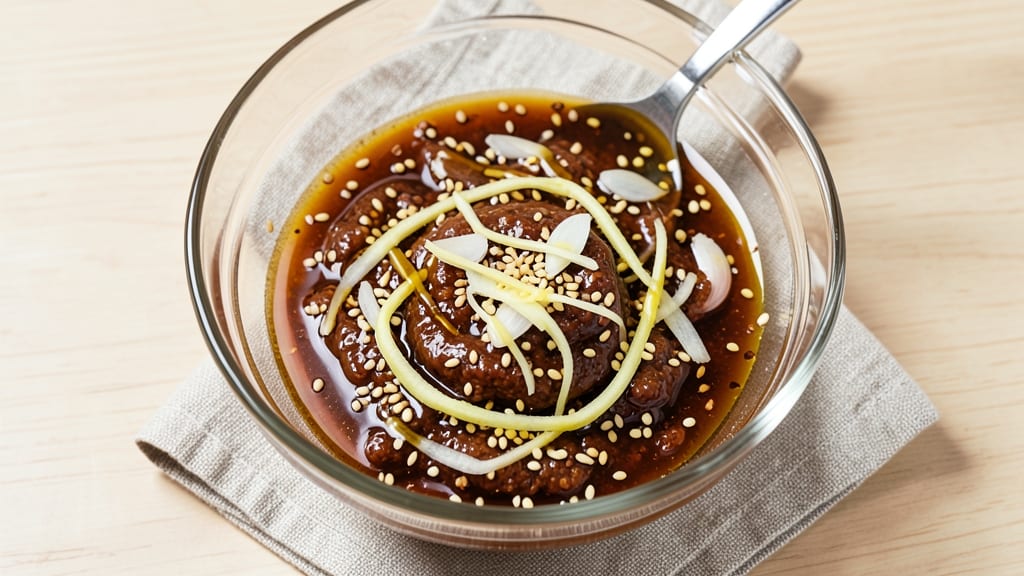
This Asian chopped salad dressing recipe delivers the perfect balance of nutty sesame, bright ginger, and umami depth in every pour. The secret lies in emulsifying toasted sesame oil with a tangy soy-ginger base, creating a silky dressing that elevates any salad from ordinary to extraordinary.
Professional chefs rely on this technique to achieve a smooth, shelf-stable dressing that stays vibrant for up to two weeks when refrigerated.
The foundation of this dressing is a simple yet powerful blend of rice vinegar, sesame oil, and a touch of honey for balance. Toasted sesame seeds add texture and nutty richness, while fresh ginger and garlic provide the zing that defines Asian flavors.
Unlike store-bought versions, this recipe delivers authentic taste with no artificial additives—just pure, vibrant flavor.
What makes this dressing truly special is its versatility. Drizzle it over fresh greens with shredded cabbage and carrots for a classic Asian chopped salad, or use it as a marinade for grilled meats.
The emulsified texture ensures it clings perfectly to ingredients, while the balanced sweet-savory profile makes it a crowd-pleaser at any meal.
With just five simple ingredients and a few minutes of blending, you’ll have a dressing that transforms ordinary salads into restaurant-quality dishes. The recipe’s precision ensures consistent results every time, making it ideal for meal prep or last-minute gatherings. Let’s get started on this flavor-packed essential!
Ingredients for asian chopped salad dressing
Just nine ingredients transform into a silky dressing with restaurant-quality depth and balance.
| Ingredient | Amount | Notes |
|---|---|---|
| Toasted Sesame Oil 🫒 | ¼ cup | High-quality, nutty aroma preferred |
| Rice Vinegar 🍶 | ⅓ cup | Seasoned preferred for depth |
| Fresh Ginger 🌿 | 2 tbsp | Finely grated, fresh preferred |
| Garlic Cloves 🧄 | 2 cloves | Minced for smooth texture |
| Honey 🍯 | 2 tbsp | Wildflower preferred for floral notes |
| Toasted Sesame Seeds 🥜 | 2 tbsp | Lightly toasted for crunch |
| Soy Sauce 🍶 | 1 ½ tbsp | Light soy preferred for balance |
| Sesame Seeds 🥜 | 1 tbsp | Extra for garnish if desired |
| Water 💧 | ¼ cup | Room temperature preferred |
| Salt 🧂 | ½ tsp | Diamond Crystal preferred |
The sesame oil is non-negotiable here—Kadoya or La Choy are reliable brands for that authentic nutty aroma. Grab fresh ginger from the produce section (the vibrant, firm pieces keep longer). For soy sauce, Kikkoman light soy is my go-to, but any light soy will do. Toast your sesame seeds in a dry pan for 30 seconds—they should smell toasty, not burnt. If you're short on time, pre-toasted sesame seeds from the Asian aisle work fine, but fresh is always better.
No sesame oil? Peanut oil at half the amount adds richness, though it won't have the same flavor. Substitute honey with agave nectar or maple syrup for a vegan option. If you're missing rice vinegar, apple cider vinegar works in a pinch, but it'll lack the delicate sweetness. For a smoother texture, blend everything except the sesame seeds first, then whisk them in at the end. The water is key—it helps emulsify the dressing so it doesn't separate. If your dressing breaks, just whisk in another 1 tsp of water.
This dressing stays fresh for up to 2 weeks in the fridge. Store it in a small glass jar with a tight seal—the glass preserves the flavor better than plastic. If you're meal prepping, make a double batch and portion it into small containers for salads throughout the week. The extra sesame seeds? Sprinkle them over your dressing right before serving for that restaurant-quality crunch. Freeze extras in ice cube trays for single-serving portions.
Why You'll Love This Recipe
- Five-Ingredient Magic: I swear by this combo—just toasted sesame oil, rice vinegar, a thumb of ginger, two garlic cloves, and honey. That’s it. No measuring cups, no fancy tools, just instinct and a whisk. Honestly, I’ve made it while waiting for takeout to arrive.
- Umami Bomb: The garlic and ginger sizzle in the oil until it’s fragrant enough to make your kitchen smell like a street food stall. Then that first drizzle over warm noodles or cold greens? Pure satisfaction—bright, nutty, with just a hint of sweetness to balance the bite.
- Meal Prep MVP: This dressing keeps for a week in the fridge, and it’s the only one I’ll use for everything—grilled chicken, shrimp, even as a marinade. I double the batch every Sunday so I’m never scrambling for something that tastes fresh.
- Budget Brightener: Fresh ginger and garlic are cheap staples, and a little sesame oil goes a long way. Between us, this is how I stretch my grocery budget without sacrificing flavor—no overpriced bottles of store-bought dressing here.
Step-by-step instructions for nutty sesame and ginger dressing
This dressing comes together in minutes with simple techniques that unlock bold Asian flavors.
Toast the Sesame Seeds for Maximum Flavor
Heat a small dry skillet over medium heat. Add the 2 tablespoons toasted sesame seeds and toast for 1-2 minutes, stirring constantly, until they turn a deeper golden brown and release their nutty aroma. Watch carefully—they'll darken quickly and burn if left unattended.
Transfer the toasted seeds to a small bowl and set aside. This step develops their rich, toasty flavor that forms the base of your dressing. If you're short on time, you can use store-bought toasted sesame seeds, but freshly toasted seeds make a noticeable difference in depth of flavor.
Grate and Mince Aromatics for Smooth Texture
Using a fine grater, grate the 2 tablespoons fresh ginger into a small bowl. You want a smooth paste with no visible fibers—this ensures the dressing blends seamlessly. For the 2 cloves garlic, mince them finely using a sharp knife or microplane to create a smooth, almost paste-like consistency.
Combine the grated ginger and minced garlic in a small bowl. This prep work is crucial—uneven textures create graininess in the finished dressing. I like to press the garlic with the flat of my knife to break it down further before adding it to the bowl. Set this mixture aside for now.
Whisk Together Wet Ingredients
In a medium bowl, combine the 0.25 cup toasted sesame oil, 0.33 cup rice vinegar, 2 tablespoons honey, 1.5 tablespoons soy sauce, 0.25 cup water, and 0.5 teaspoon salt. Using a whisk, combine these ingredients until fully incorporated and smooth—this should take about 30 seconds of vigorous whisking.
The honey and soy sauce will help emulsify the dressing later, while the salt balances the sweetness. If you're using seasoned rice vinegar, you might need to adjust the salt slightly to your taste. This mixture should be completely homogeneous before adding the aromatics.
Blend All Components for Silky Perfection
Add the ginger-garlic mixture and toasted sesame seeds to the wet ingredients. Using an immersion blender, blend until completely smooth and creamy—this should take about 15-20 seconds. If you don't have an immersion blender, transfer everything to a blender or food processor and blend until smooth.
For the best results, strain the dressing through a fine-mesh sieve to remove any remaining ginger fibers if needed. The dressing should now have a velvety texture with a perfect balance of sweet, tangy, and umami flavors. Taste and adjust seasoning if needed—you might want to add a touch more soy sauce for saltiness or honey for sweetness.
Rest and Use for Optimal Flavor
Let the dressing sit at room temperature for 10-15 minutes before using. This resting period allows all the flavors to meld together, creating a more cohesive taste profile. The dressing will thicken slightly as it cools, which is perfect for tossing with crisp vegetables.
Store any leftovers in an airtight container in the refrigerator for up to 5 days. Before using, give it a good stir and add a splash of water if it thickens too much. This dressing works beautifully with shredded cabbage, carrots, edamame, and cucumbers for a classic Asian chopped salad.
Pro Tips For Making Asian Chopped Salad Dressing
- MINCE THAT GINGER: Grab a microplane or the smallest grater you own—no, the knife isn’t cutting it here. Fresh ginger loses its punch when chopped, and you’ll taste the difference. A tablespoon of finely grated ginger (peeled!) adds bright, zesty depth that jarred paste can’t match, even if it’s faster.
- STOP BOILING THE GARLIC: After mincing, toss the garlic cloves in a dry pan over medium heat for 30 seconds until fragrant but not golden. Boiling it in the dressing kills its flavor and turns it bitter. This quick toast brings out its sweetness without overpowering the honey or vinegar.
- DILUTE THE SESAME OIL: That toasted sesame oil is potent—use it like perfume, not perfume. Start with just ½ teaspoon (yes, really) and whisk it into the warm vinegar base first. If you dump in the full amount upfront, your dressing will taste like a campfire instead of a balanced sauce.
- CHILL IT FOR BALANCE: Make the dressing at least 30 minutes ahead and refrigerate it. The flavors meld better, and the honey’s sweetness softens instead of clashing with the vinegar’s sharpness. Pro move: Shake it again before serving—sediment settles, and you’ll get a smoother texture.
Make-ahead tips for asian chopped salad dressing
Batch Prep Essentials
Make a double batch of this dressing—it’s perfect for meal prepping! Store it in a quart-sized glass jar in the fridge, where it’ll keep for up to 2 weeks. I like to portion it into small 4-ounce containers for easy grab-and-go salads during the week.
The extra sesame seeds? Sprinkle them over each serving right before eating for that fresh crunch. 💫
Freezer-Friendly Tips
Freeze any extra dressing in ice cube trays for single-serving portions. Once frozen, transfer the cubes to a ziplock bag and flatten them for compact storage. Thaw overnight in the fridge—just add a splash of water to restore that silky texture.
This method ensures you always have dressing on hand for last-minute salads or quick marinades. 🧊
Stability Secrets
To prevent separation, always blend the dressing thoroughly and store it in an airtight container with a tight seal. If it thickens in the fridge, whisk in 1-2 teaspoons of water to restore consistency.
Avoid shaking the jar vigorously—this can cause the sesame oil to separate. Instead, gently stir before each use. 🔄
Flavor Boost Hacks
Want to elevate your dressing? Add 1 teaspoon of sriracha for heat or 1 teaspoon of miso paste for extra umami depth. For a smoky twist, stir in ½ teaspoon of smoked paprika before blending. These tweaks keep the dressing exciting even after multiple uses. 🌶️
Meal Prep Pairings
Pair this dressing with prepped salad ingredients like shredded napa cabbage, carrots, and edamame for a complete meal. Store everything in separate containers, then toss together when ready to eat.
I also love using this dressing as a marinade for grilled chicken or tofu—just reserve ¼ cup for dipping after cooking. 🍗
Travel-Friendly Packing
For on-the-go meals, pack the dressing in a small leak-proof container with a tight lid. Keep it in the coldest part of your cooler or bag with an ice pack to maintain freshness.
The emulsified texture holds up well, so you won’t lose that creamy consistency even after hours of travel. Perfect for picnics or road trips! 🚗
Nutrition facts
Frequently asked questions
Can I make this dressing without sesame oil?
Yes, but the flavor will change. Replace the 0.25 cup sesame oil with 0.125 cup peanut oil for richness, though it won't have the same nutty depth. For a lighter option, use 0.125 cup neutral oil like avocado oil and boost the soy sauce by ½ tablespoon to compensate for lost umami. The texture will still emulsify well, but the authentic Asian profile will be subtler.
Why did my dressing separate? How do I fix it?
Separation usually happens when the oil and liquid ingredients aren't properly emulsified. Whisk in 1-2 teaspoons of water or ½ teaspoon of honey and blend again until smooth. For future batches, blend longer or add 1 teaspoon of cornstarch mixed with 1 teaspoon cold water to stabilize it. Always store in an airtight container with the lid sealed tightly.
Can I use this dressing on non-salad dishes?
This versatile dressing works as a marinade for grilled chicken, tofu, or shrimp—just reserve ¼ cup for dipping after cooking. It also makes an excellent sauce for rice bowls, noodles, or even as a dipping sauce for spring rolls. The emulsified texture ensures it clings beautifully to ingredients, while the balanced flavors elevate any dish.
How do I adjust the sweetness or spice level?
For less sweetness, reduce honey to 1 tablespoon or omit entirely. For more heat, add ½ teaspoon of sriracha or ¼ teaspoon of red pepper flakes before blending. If you prefer tangier flavor, increase rice vinegar by 1 tablespoon. Always taste as you go—small adjustments make a big difference!
What's the best way to store leftovers?
Store in a small glass jar with a tight seal in the fridge for up to 2 weeks. The glass preserves flavor better than plastic. If the dressing thickens, whisk in 1 teaspoon of water to restore consistency. For longer storage, freeze in ice cube trays—thaw overnight in the fridge before using.