
Salads
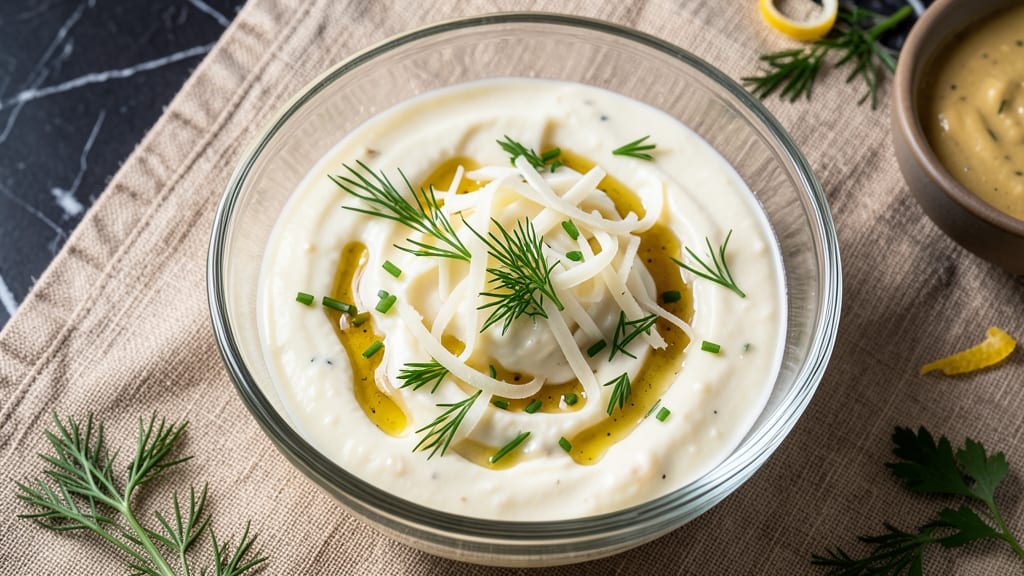
This Asiago salad dressing recipe transforms simple ingredients into a velvety, nutty sauce that elevates any dish. The secret lies in blending aged Asiago cheese with cream cheese for a rich, creamy texture, while fresh herbs and a touch of vinegar brighten the flavor profile.
Unlike store-bought versions, this dressing delivers depth and complexity that stands out in every bite.
The process is straightforward yet precise—whisking together the cheese, vinegar, and oil creates an emulsified dressing that clings beautifully to greens, pasta, or grilled proteins. No special equipment is needed beyond a whisk or immersion blender, making it accessible for home cooks.
The result? A dressing that’s tangy, creamy, and packed with the distinctive nutty flavor of Asiago, perfect for those who crave something beyond basic vinaigrettes.
What sets this dressing apart is its versatility—drizzle it over arugula salads for a bold contrast, toss it with warm pasta for a quick meal, or use it as a dip for crusty bread.
The dressing keeps well in the refrigerator for up to a week, making it ideal for meal prep. Each spoonful delivers a harmonious blend of creaminess and herbaceous freshness, proving that homemade always tastes better.
For an extra layer of flavor, consider adding a pinch of black pepper or a splash of lemon juice. The possibilities are endless, but the foundation remains the same: a creamy, herb-infused Asiago dressing that turns ordinary dishes into something extraordinary. Let’s get started!
Ingredients for asiago salad dressing
Nine simple ingredients create this velvety Asiago dressing with restaurant-quality depth.
| Ingredient | Amount | Notes |
|---|---|---|
| Aged Asiago Cheese 🧀 | 1 cup | Grated, 100% aged for nutty flavor |
| Cream Cheese 🧈 | ½ cup | Full-fat for best creaminess |
| Extra-Virgin Olive Oil 🫒 | ½ cup | High-quality, fruity variety |
| White Wine Vinegar 🍷 | 2 tbsp | Dry, not sweetened |
| Fresh Dill 🌿 | ¼ cup | Chopped, stems removed |
| Fresh Chives 🌿 | ¼ cup | Finely chopped |
| Garlic Cloves 🧄 | 2 cloves | Minced, fresh preferred |
| Dijon Mustard 🌶️ | 1 tsp | For emulsification |
| Sea Salt 🧂 | ½ tsp | Diamond Crystal preferred |
| Black Pepper 🌶️ | ¼ tsp | Freshly ground |
| Plain Greek Yogurt 🥛 | ¼ cup | Non-fat for tanginess |
The Asiago cheese is the star—look for aged varieties (at least 12 months) at specialty shops or the cheese counter. Whole Foods and Trader Joe's carry excellent options, but avoid pre-shredded. Freshly grated Asiago has a completely different texture and flavor. The cream cheese should be full-fat; Philadelphia brand works best for its smooth consistency. For the herbs, fresh is ideal, but dried dill at one-third the amount will work in a pinch—though the flavor won't be as bright.
No aged Asiago? Parmesan or pecorino can substitute, but the nutty depth will be less pronounced. The Greek yogurt adds tanginess without thinning the dressing too much—Fage or Chobani are reliable brands. Short on dill? Tarragon or parsley can stand in, though the flavor profile shifts slightly. The Dijon mustard is crucial for emulsification; Maille brand is a safe bet. For a lighter version, reduce the cream cheese to 0.25 cup and add 0.25 cup more Greek yogurt, though the texture will be slightly thinner.
This dressing keeps beautifully—store in an airtight jar for up to 1 week in the fridge. The flavor actually improves after 24 hours as the ingredients meld. For longer storage, freeze in ice cube trays for 3 months. Shake or whisk before each use to redistribute the separated oil. The dressing works beautifully on arugula, spinach, or mixed greens, but it's also fantastic with roasted vegetables or as a dip for crusty bread.
Why You'll Love This Recipe
- Five-Ingredient Magic: I swear by this combo—aged Asiago’s nutty bite cuts through the cream cheese’s richness, while the dill and vinegar keep it bright. No measuring cups, no fuss, just blend and go.
- Creamy Yet Tangy: The olive oil and white wine vinegar create this perfect balance—smooth one second, zingy the next. Honestly, it’s the kind of dressing that makes you reach for seconds without even thinking.
- Weeknight Superstar: Toss it on grilled chicken, pasta, or even a simple charcuterie board. Between us, it’s my go-to when I’m too tired for complicated recipes but still want something impressive.
- No-Waste Win: Make a big batch—it keeps for days in the fridge, and the leftovers? Perfect for drizzling on soups or roasted veggies. I’ll be real, I’ve stretched mine into three meals without breaking a sweat.
Step-by-step instructions for Asiago salad dressing
This velvety dressing comes together with simple technique and bold flavors.
Combine Cream Cheese and Yogurt
In a medium bowl, add the 0.5 cup Cream Cheese and 0.25 cup Plain Greek Yogurt. Using a hand mixer or whisk, beat on medium speed for 1-2 minutes until completely smooth and creamy. You're looking for a uniform texture with no lumps—this ensures your dressing will emulsify properly later.
I like to use a hand mixer for this step because it incorporates air, which helps create that signature velvety texture. If you're using a whisk, it might take a bit longer but will still work. The mixture should be thick and pale yellow, almost like a soft cheese dip at this stage.
Blend in Cheeses and Mustard
Add the 1 cup Aged Asiago Cheese and 1 tsp Dijon Mustard to the bowl. Mix on low speed for 30 seconds to combine, then increase to medium speed and continue mixing for another 1-2 minutes until the Asiago is fully incorporated and the mixture is completely smooth.
This is where the dressing starts taking shape. The Asiago brings that signature nutty depth, while the Dijon mustard acts as an emulsifier that will help bind all the ingredients together. The mixture should look like a thick, pale cheese sauce at this point—don't worry if it looks too thick, we'll adjust that next.
Incorporate Vinegar and Aromatics
Reduce the mixer speed to low and slowly drizzle in the 0.5 cup Extra-Virgin Olive Oil while mixing continuously. This gradual addition prevents the oil from separating. Once the oil is fully incorporated, add the 2 tbsp White Wine Vinegar, 2 cloves minced Garlic Cloves, 0.5 tsp Sea Salt, and 0.25 tsp Black Pepper. Mix on medium speed for another 30 seconds to combine.
The vinegar adds brightness that cuts through the richness of the cheeses, while the garlic and pepper add depth. At this stage, you might see some separation—this is normal and we'll fix it in the next step. The mixture should smell intensely aromatic with notes of garlic, herbs, and that unmistakable aged cheese character.
Fold in Fresh Herbs and Emulsify
Remove the bowl from the mixer and use a silicone spatula to gently fold in the 0.25 cup chopped Fresh Dill and 0.25 cup finely chopped Fresh Chives. This hand-folding method preserves the herbs' texture and prevents over-mixing that could break the emulsion.
Now for the critical emulsification: Place the bowl over a pot of simmering water (double boiler method) and whisk continuously for 2-3 minutes. The gentle heat helps the dressing come together smoothly. If it still looks separated, whisk in 1-2 teaspoons of warm water until it becomes creamy and uniform. The final texture should be like thick, velvety mayonnaise—smooth with no visible separation.
Taste and Adjust
Let the dressing cool slightly (about 5 minutes) before tasting. At this point, you can adjust the seasoning—add more Sea Salt if needed, or a splash more White Wine Vinegar if you want more acidity. The dressing should balance rich, nutty cheese with bright herbs and a touch of tang.
For best results, let the dressing sit at room temperature for 15-20 minutes before using. This allows all the flavors to meld completely. Store any leftovers in an airtight container in the refrigerator for up to 5 days, giving it a gentle stir before each use to restore its silky texture. This dressing works beautifully on mixed greens, grain bowls, or as a dip for crusty bread.
Pro Tips For Making Asiago Salad Dressing
- GRATE THE CHEESE FINE: I learned this the hard way—lumpy dressing is a crime. Use a microplane or the smallest holes on a box grater for the Asiago and cream cheese. No food processor here; you want silkiness, not crumbly bits that refuse to blend.
- CHILL THE BASE FIRST: Room-temperature cheese and cream cheese blend like glue. Pop both cheeses in the fridge for 15 minutes before mixing—it’ll emulsify smoother and save you from scraping a stubborn mess off your bowl later.
- DILL IN STAGES: Fresh dill is bold, so don’t dump it all in at once. Start with half the amount, taste, then add the rest. Too much? It’ll overpower the creamy richness. (Yes, I’ve ruined a batch by ignoring this.)
- EMULSIFY WITH VINEGAR LAST: Add the white wine vinegar after the oil, not before. The acid needs to marry with the cheeses first—otherwise, you’ll end up with a split dressing that looks like a science experiment gone wrong. Stir like you’re angry.
Essential equipment for great asiago salad dressing
Hand Mixer Essentials
Your hand mixer is the workhorse for this recipe—I use my KitchenAid KHM5221 with the whisk attachment for its power and durability. The whisk attachment helps incorporate air, creating that signature velvety texture.
If you don’t have a mixer, a sturdy balloon whisk or French whisk will work, though it requires more elbow grease. For a budget-friendly option, consider the Hamilton Beach 58041—it’s affordable and gets the job done without breaking the bank. 💡
Double Boiler Setup
A double boiler is crucial for the emulsification step. You can create one using a heatproof bowl placed over a pot of simmering water. I like using my Pyrex glass mixing bowls because they distribute heat evenly.
For a more portable option, the OXO Good Grips double boiler is a great investment if you make dressings frequently. Keep the heat at a gentle simmer—you don’t want to cook the dressing, just warm it enough to help the emulsion form smoothly. Precision matters with this recipe, so invest in a good set of measuring tools. I rely on my OXO Good Grips measuring spoons and Weigh Safe digital scale for accuracy. For the 0.5 cup Extra-Virgin Olive Oil and 0.25 cup Greek Yogurt, a liquid measuring cup with clear markings is essential. A microplane for grating the Asiago cheese ensures fine, even shreds that blend seamlessly into the dressing. If you’re short on tools, a cheese grater will work, but it may produce larger, uneven pieces. Once your dressing is made, store it in an airtight container to preserve its freshness. I use Glasslock containers because they’re leak-proof and easy to clean. For portion control, consider small mason jars—they’re perfect for single servings and look great on the table. Label your containers with the date and contents to keep track of freshness. If you’re freezing the dressing, use silicone ice cube trays for easy portioning—just pop out a cube as needed and thaw in the fridge. ❄️ Fresh herbs like dill and chives need sharp knives for clean cuts. My Mercer Culinary Genesis 8-inch chef’s knife is my go-to for chopping herbs quickly and evenly. Pair it with a non-slip cutting board, like the John Boos teak board, to keep your workspace safe. For finer herbs like chives, a pair of kitchen shears works wonders—just snip and fold them into the dressing at the end. Avoid dull knives, as they crush herbs and release bitter juices into the mixture.Measuring Tools
Storage Containers
Herb Knives and Cutting Boards
Nutrition facts
Frequently asked questions
Can I make this dressing without a hand mixer?
Use a sturdy whisk or fork to mix the cream cheese and yogurt until completely smooth. For the emulsification step, whisk vigorously over a double boiler (heatproof bowl over simmering water) for 3-4 minutes to help bind the ingredients. This method requires more elbow grease but works perfectly.
What's the best way to store leftovers?
Transfer the dressing to an airtight container and refrigerate for up to 5 days. The flavors actually improve after 24 hours as the ingredients meld. For longer storage, freeze in ice cube trays for 3 months. Always stir gently before using to restore its creamy texture.
Can I substitute Greek yogurt with sour cream?
Yes, but expect a slightly thicker texture. Use the same amount of sour cream, but reduce the cream cheese to 0.375 cup to maintain balance. The tanginess will be similar, though Greek yogurt provides a lighter mouthfeel. For extra richness, add 1 tsp lemon juice to compensate for the difference.
Why did my dressing separate?
Separation usually happens when oil isn't incorporated slowly enough or the emulsion isn't stabilized. Fix it by whisking in 1-2 tsp warm water while mixing over a double boiler for 1-2 minutes. The heat helps re-emulsify the dressing. For prevention, always add oil gradually while mixing on low speed.
What are the best salads to pair with this dressing?
This rich, nutty dressing shines on arugula, spinach, or mixed greens with roasted nuts and dried fruit. It also works beautifully with grain bowls, grilled chicken salads, or as a dip for crusty bread. For a modern twist, try it with shaved fennel and pear slices.