Salads
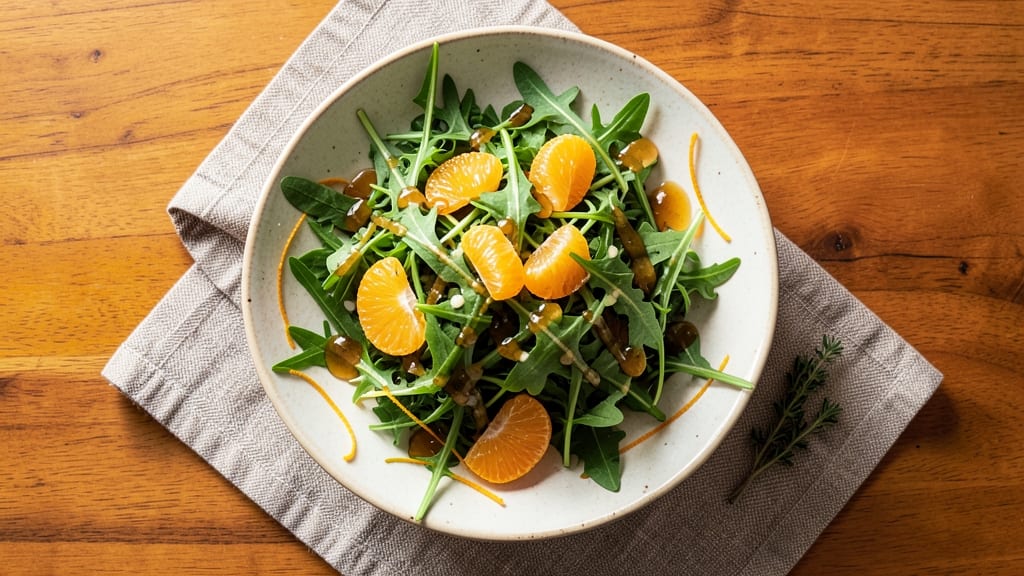
This arugula and orange salad recipe transforms simple ingredients into a vibrant dish that balances peppery greens with sweet citrus in every bite. The secret lies in a bright dressing that marries olive oil, orange juice, and a touch of honey, creating a harmony of flavors that elevates even the most basic greens. Perfect for spring or summer, this salad is as refreshing as it is visually stunning, with colors that pop against any plate.
The beauty of this recipe is its simplicity—just a handful of ingredients come together in minutes, yet the result feels gourmet. Arugula’s signature peppery kick pairs beautifully with the sweetness of oranges, while toasted nuts or shaved cheese add texture and depth.
It’s a dish that shines on its own or alongside grilled meats, fish, or as a light vegetarian main.
What makes this salad truly special is how it adapts to dietary preferences. For a vegan version, simply swap honey for maple syrup or agave, and use nutritional yeast instead of Parmesan.
The dressing can be made ahead, and the greens assembled last-minute, ensuring crispness and freshness. It’s the kind of dish that feels effortless yet leaves a lasting impression.
Ready in just 15 minutes, this salad is ideal for weeknight dinners, potlucks, or as a side that steals the show. The combination of tangy, sweet, and peppery flavors makes it impossible to resist—each bite is a perfect balance. Let’s bring this bright, citrusy dish to your table today.
Ingredients for arugula and orange salad
Bright citrus meets peppery greens—just eleven ingredients transform into a stunning salad.
| Ingredient | Amount | Notes |
|---|---|---|
| Baby Arugula 🌿 | 6 oz | Fresh, vibrant leaves preferred |
| Navel Oranges 🍊 | 2 whole | Segments removed from peel |
| Extra-Virgin Olive Oil 🫒 | ⅓ cup | Fruity, high-quality preferred |
| Fresh Orange Juice 🍊 | ¼ cup | Freshly squeezed, no pulp |
| Honey 🍯 | 1 tbsp | Wildflower or clover variety |
| Dijon Mustard 🍯 | 1 tsp | Mild or classic preferred |
| Parmesan Cheese 🧀 | ¼ cup | Freshly grated, fine texture |
| Toasted Walnuts 🥜 | ¼ cup | Lightly toasted for crunch |
| Red Wine Vinegar 🍷 | 1 tsp | Dry, aged variety preferred |
| Sea Salt 🧂 | ½ tsp | Fine grain preferred |
| Freshly Ground Black Pepper 🌶️ | ¼ tsp | Freshly cracked for best flavor |
The arugula is non-negotiable here—baby arugula has the tenderest leaves that hold up best to citrus. Whole Foods or local farmers markets often carry the freshest, most vibrant greens. Look for leaves that are deep green with no yellowing, as this indicates peak freshness. The oranges should be firm, heavy for their size, and smell sweetly at the stem. Navels are ideal, but any sweet orange variety works. For the dressing, extra-virgin olive oil is key—avoid the cheap stuff that tastes like soap, and opt for brands like California Olive Ranch or Colavita for consistent quality.
No fresh orange juice? Store-bought not-from-concentrate works in a pinch, but fresh is always better. Swap honey for maple syrup or agave for a vegan version, and use nutritional yeast instead of Parmesan. The walnuts can be any nut you prefer—pecans or almonds toast beautifully too. For extra depth, add a pinch of cayenne pepper to the dressing. If you're using pre-shredded Parmesan, skip the salt in the dressing since it's already salted. The dressing keeps for 5 days in the fridge, so make extra for another salad or drizzle over grilled fish.
Store the arugula in an airtight container with a paper towel to absorb moisture—it'll stay crisp for 3-4 days. The dressing separates naturally, so simply shake it before using. For best results, assemble the salad just before serving to maintain that perfect crunch. If prepping ahead, keep the dressing and toppings separate until the last minute. This salad reheats beautifully if you're using it as a side to a warm main, but it's best served chilled for that refreshing bite. The flavors actually improve after sitting for 20 minutes, so don't rush it.
Why You'll Love This Recipe
- No Chopping Nightmare: I swear by this recipe when I’m too tired to fuss—just tear that baby arugula with my hands and slice the oranges into segments. The dressing? Stir honey into fresh orange juice and olive oil while I sip my coffee. Five minutes, tops.
- Bright & Tangy Magic: That honey-orange dressing cuts through the peppery arugula like a citrusy hug. The navel orange segments add juicy sweetness, while the olive oil keeps it rich without overpowering. Honestly, it’s the kind of salad that makes you forget it’s “just greens.”
- Picnic or Pasta Side: Pack it in a jar for a no-fuss lunch or toss it over grilled chicken for dinner. I’ve even used the leftover dressing on roasted veggies—it’s that versatile. Perfect for when you want something fresh but don’t want to plan.
- Budget Brightness: Arugula stays crisp longer than iceberg, and navel oranges are cheaper than fancy citrus. The dressing uses pantry staples, so you’re not breaking the bank for a salad that actually tastes like a treat. My wallet and taste buds thank me.
Step-by-step instructions for arugula and orange salad
This vibrant salad comes together in minutes with fresh ingredients and simple technique.
Prepare the Orange Segments
Cut the 2 whole Navel Oranges in half and remove any seeds. Working over a bowl, carefully slice between the membranes to release the segments into the bowl. You'll get about 1½ cups of fresh orange segments. I like to use a sharp serrated knife for this—it makes clean cuts through the peel without crushing the fruit.
Discard the peel and any remaining membrane. The segments should be bright orange and juicy. If you're using very ripe oranges, you might want to pat them dry with a paper towel to remove excess moisture, which can make the salad soggy. This step is crucial for maintaining the right balance of flavors and textures in your salad.
Toast the Walnuts
Spread the 0.25 cup toasted walnuts on a dry baking sheet and toast in a 350°F oven for 5-7 minutes until they're fragrant and lightly golden. Watch them closely—walnuts burn quickly and become bitter. You want them just warm enough to release their nutty aroma.
Let the toasted walnuts cool for 2 minutes before breaking them into rough pieces with your hands. The slight crunch will contrast beautifully with the tender arugula. I like to keep a small bowl nearby to catch any stray pieces that fall off the baking sheet during this process.
Whisk Together the Dressing
In a small bowl, whisk together the 0.33 cup extra-virgin olive oil, 0.25 cup fresh orange juice, 1 tbsp honey, 1 tsp Dijon mustard, 1 tsp red wine vinegar, 0.5 tsp sea salt, and 0.25 tsp freshly ground black pepper. The dressing should be smooth and slightly thick—this consistency ensures it coats the greens perfectly without making them soggy.
Taste the dressing and adjust seasoning if needed. I often find the fresh orange juice needs a touch more salt to balance its natural sweetness. The Dijon mustard adds depth, while the honey rounds out the acidity from the vinegar. This dressing is the heart of your salad, so don't rush this step.
Assemble the Salad
In a large bowl, gently combine the 6 oz baby arugula with the orange segments. Add the toasted walnuts and sprinkle with the 0.25 cup freshly grated Parmesan cheese. The arugula should be mostly intact—avoid tearing it too much, as you want to preserve its delicate texture. I use my hands for this part, being careful not to bruise the leaves.
Drizzle the dressing over the salad and toss gently but thoroughly. You want every leaf coated with dressing, but not so much that it wilts. If the salad seems dry after tossing, add an extra tablespoon of dressing. The perfect salad has vibrant colors, crisp textures, and a balance of sweet, tangy, and peppery flavors.
Serve Immediately
Transfer the salad to serving plates right away. The arugula is best enjoyed fresh and crisp, so don't let it sit too long before serving. I like to arrange the salad on plates with the orange segments visible throughout, creating a beautiful contrast of colors.
For an extra touch, you can garnish each serving with an additional sprinkle of sea salt and freshly cracked black pepper. Serve immediately while the greens are still vibrant and the dressing is fresh. This salad pairs beautifully with grilled chicken or fish, making it a perfect light lunch or side dish.
Pro Tips For Making Arugula And Orange Salad
- TOSS DRY: Baby arugula wilts faster than you think—toss it with the dressing just before serving. That peppery bite disappears in minutes, and nobody wants sad, limp greens. Keep the dressing separate until the last second.
- ZEST FIRST: Navel oranges are juicy but often lack punch. Micronize the zest before juicing—it adds bright, citrusy depth without overpowering. (Yes, even if you’re in a hurry, scrape that colored layer off first.)
- BALANCE THE SWEET: Honey and orange juice can turn cloying if you overdo it. Start with half the honey called for, taste, then add more. The arugula’s bitterness needs room to breathe—don’t drown it.
- SALT THE ORANGES: Sprinkle a pinch of flaky salt over the orange segments after cutting. It cuts through the natural sweetness and makes the juice pop. (I know it sounds odd, but it works—trust me.)
Dietary considerations for arugula and orange salad
Vegan Adaptations
This salad is naturally vegetarian, but with a few simple swaps, it becomes fully vegan too. Replace the 1 tbsp honey with 1 tbsp maple syrup or agave nectar—both mimic the sweetness without animal products.
For the 0.25 cup Parmesan cheese, use 0.25 cup nutritional yeast, which adds a cheesy, umami flavor. I’ve tested this version and it works beautifully, especially when paired with a hearty vegan main like grilled tofu or tempeh. 🌱
Gluten-Free Assurance
All the ingredients in this salad are naturally gluten-free, making it perfect for those avoiding gluten. The dressing contains no wheat-based ingredients, and the toppings—arugula, oranges, walnuts, and Parmesan—are all gluten-free by default.
Just double-check your Dijon mustard label, as some brands contain hidden gluten. Brands like Maille or Annie’s are typically safe. This salad is a go-to for gluten-sensitive friends at my dinner parties. ✨
Low-Carb Options
For a low-carb twist, reduce the oranges to just 1 whole Navel orange (about ¾ cup segments) and omit the honey entirely. The dressing can be made with 1 tbsp sugar-free maple syrup or a splash of coconut aminos for umami depth.
Keep the walnuts and Parmesan, but skip the extra breadcrumbs or croutons if adding any. This version keeps carbs under 10g per serving while maintaining the same vibrant flavors. 🥑
Nut-Free Substitutions
If you’re avoiding nuts, skip the walnuts entirely or replace them with ¼ cup sunflower seeds, which toast just as well. For extra crunch, add ¼ cup dried cranberries or ¼ cup toasted pumpkin seeds.
I’ve also used crispy chickpeas (tossed in olive oil and baked until crunchy) for a protein boost. The key is maintaining texture contrast—something crunchy is essential to balance the soft arugula and juicy oranges. 🌰
Protein Boosts
To turn this salad into a complete meal, add ½ cup cooked quinoa or ½ cup chickpeas for plant-based protein. For non-vegetarians, top with grilled chicken breast or smoked salmon. I love adding ¼ cup crumbled feta for a cheesy twist if you’re not avoiding dairy.
The protein helps keep you full longer, making this salad a satisfying lunch or light dinner option. 💪
Nutrition facts
Frequently asked questions
Can I use regular oranges instead of Navel oranges?
While Navel oranges are ideal for their easy peeling and sweetness, any sweet orange variety like Valencia or Cara Cara will work beautifully. The key is choosing firm, juicy oranges with minimal seeds. If you prefer blood oranges, their deeper color adds stunning visual contrast to the salad.
How do I keep the arugula from getting soggy?
To maintain crisp greens, never add dressing until right before serving. Pat any excess moisture from orange segments with a paper towel, and avoid over-tossing the salad. For extra insurance, assemble the salad just before eating—arugula wilts quickly when wet.
What's the best way to store leftovers?
Store the dressing separately in an airtight container for up to 5 days, and keep the arugula and toppings in a sealed container with a paper towel for 2 days. Reassemble only when ready to eat, adding fresh dressing. The oranges can be peeled and stored separately for 3 days in the fridge.
Can I make this salad ahead of time?
Yes, but with some adjustments. Prep all components separately—dressing, orange segments, and toasted nuts—and store them in the fridge. Assemble only when ready to serve to preserve texture. The flavors actually develop better when components rest for 20 minutes before combining.
What's the secret to the perfect citrus dressing?
The magic lies in the balance: 1 part honey to 3 parts orange juice with a touch of Dijon mustard for depth. Always use freshly squeezed juice for maximum brightness. Taste and adjust—if too sweet, add a splash of vinegar; if too tart, a pinch of salt helps. The dressing should coat the greens without overwhelming them.