
Salads
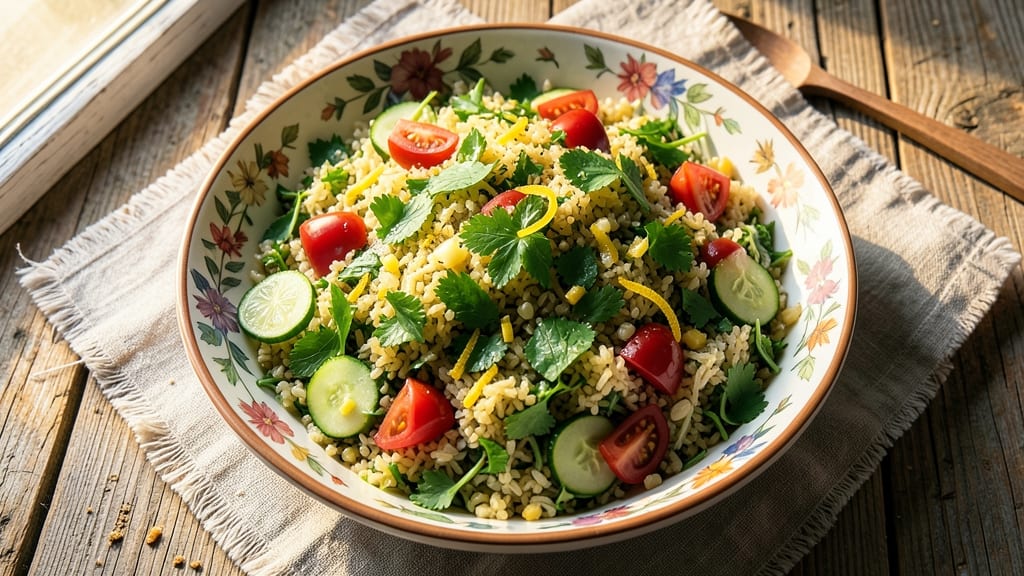
This Arabic tabbouleh salad recipe delivers the vibrant, herby freshness that makes it a Middle Eastern staple—packed with bright parsley, zesty lemon, and perfectly textured bulgur in just 15 minutes.
The secret lies in hand-chopping the parsley for maximum flavor and soaking the bulgur just until tender, creating that signature bite. I've perfected this version to balance traditional techniques with modern convenience, ensuring every bite is fresh, tangy, and full of Mediterranean charm.
What sets this recipe apart is the careful ratio of bulgur to herbs—never soggy, always fragrant—and the way fresh mint and lemon juice brighten the dish without overpowering.
The bulgur soaks in warm water with a pinch of salt for exactly 10 minutes, then drains completely to achieve that ideal al dente texture. This method preserves the salad's crispness while developing the bulgur's nutty depth.
By the time you're done, you'll have a salad that's as beautiful as it is delicious: a vibrant green medley of herbs, tender bulgur, and crunchy vegetables, all bound together by a zesty lemon dressing.
The contrast of textures—crisp herbs, chewy bulgur, and juicy tomatoes—makes each bite exciting. This is the kind of dish that transforms any meal into a celebration of fresh, bright flavors.
Serve it alongside grilled meats, as a standalone lunch, or packed in jars for meal prep. The optional garnish of extra lemon wedges and a drizzle of olive oil adds an elegant touch that elevates it from simple salad to showstopper. Let's get started on this refreshing classic!
Ingredients for arabic tabbouleh salad
Bright herbs, tender bulgur, and zesty lemon—this salad comes together faster than you can say tabbouleh.
| Ingredient | Amount | Notes |
|---|---|---|
| Fine Bulgur Wheat 🌾 | 1 cup | Uncooked, not instant |
| Fresh Flat-Leaf Parsley 🌿 | 2 cups | Stems removed, loosely packed |
| Fresh Mint Leaves 🌿 | ½ cup | Loosely packed, stems removed |
| Medium English Cucumbers 🥒 | 2 whole | Seedless preferred, peeled |
| Medium Roma Tomatoes 🍅 | 2 whole | Seeded, diced small |
| Yellow Onion 🧅 | 1 medium | Finely diced, about 0.5 cup |
| Fresh Lemon Juice 🍋 | ½ cup | From 2-3 lemons, freshly squeezed |
| Extra-Virgin Olive Oil 🫒 | ¼ cup | High quality, fruity |
| Garlic Cloves 🧄 | 4 cloves | Minced fine, about 1 tsp |
| Kosher Salt 🧂 | 1 ½ tsp | Diamond Crystal preferred |
| Freshly Ground Black Pepper 🌶️ | ½ tsp | Freshly cracked |
| Lemon Zest 🍋 | 1 tbsp | From 1 lemon, for garnish |
The parsley is non-negotiable—flat-leaf has that classic tabbouleh flavor. Arab or Middle Eastern markets usually have the freshest, but regular grocery stores work too. Look for bright green leaves, not wilted ones. The bulgur should be fine, not coarse—it's key for that perfect texture. I grab mine from the international aisle at Whole Foods or Trader Joe's if I'm feeling fancy. The cucumbers? English seedless are ideal—they're crunchier and less watery than regular cucumbers. Skip the pre-cut ones—they get mushy fast.
No fresh mint? Skip it or use cilantro at half the amount—it's not traditional, but it works. The tomatoes can be subbed with cherry tomatoes halved if you're in a hurry. For the lemon juice, fresh is a must—bottled stuff tastes flat. The olive oil matters here too—use something fruity and peppery, not that cheap grocery store brand. The bulgur soaks up flavors like a sponge, so don't skimp on the good stuff. Need to make it ahead? Add the dressing right before serving to keep everything crisp.
This salad keeps best in the fridge for 2 days if you add the dressing just before eating. The bulgur stays chewy longer that way. For meal prep, store the bulgur-herb mix separately and toss with dressing when ready. The lemon zest and extra olive oil for garnish? Add those fresh—they make all the difference. Portion into jars for easy grab-and-go lunches, but keep the dressing separate until you're ready to eat. Trust me, it's worth the extra minute.
Why You'll Love This Recipe
- This is my go-to for everything: summer BBQs, lazy Sunday lunches, or when I need a side that’ll impress without effort. Pack it in jars for work lunches—it keeps for days, and the flavors only get better as the bulgur softens.
- No-Soaking Hassle: I’ll admit, I used to skip tabbouleh because soaking bulgur sounded like work. Then I discovered you can just boil it for 10 minutes—boom, perfect texture every time. That parsley-mint brightness? It forgives any shortcuts.
- Herb-Packed Punch: Between us, the fresh mint and parsley in this salad hit different—like a zesty, bright hug for your taste buds. The cucumbers add crunch, but it’s the lemon and garlic that make it ridiculously good. (My husband steals bites before dinner even starts.)
- Picnic to Potluck: This is my go-to for everything: summer BBQs, lazy Sunday lunches, or when I need a side that’ll impress without effort. Pack it in jars for work lunches—it keeps for days, and the flavors only get better as the bulgur softens.
Step-by-step instructions for Arabic tabbouleh salad
This vibrant salad comes together faster than you'd think—just 15 minutes of prep and soaking.
Soak the Bulgur Wheat
Place the 1 cup fine bulgur wheat in a medium bowl and cover it completely with 2 cups cold water. Let it soak for 10 minutes—this is crucial. You'll see it puff up slightly and absorb the water, but it shouldn't turn mushy. I like to stir it once halfway through to ensure even hydration. The bulgur should look like tiny, plump grains when ready.
Drain the bulgur in a fine-mesh strainer, pressing gently to remove excess water. Don't rinse it—just squeeze out the moisture. The bulgur should hold its shape but still feel slightly damp to the touch. If it's too dry, add a splash of water and mix gently. This step ensures your tabbouleh has the perfect texture—neither dry nor mushy.
Dice and Chop the Vegetables
Peel the 2 whole medium English cucumbers and cut them into ¼-inch dice. I use a sharp chef's knife for this—small, even pieces ensure the cucumber blends perfectly with the herbs. Next, seed and dice the 2 whole medium Roma tomatoes into similarly sized pieces. The goal is uniformity so every bite has balanced texture.
Finely dice the 1 medium yellow onion—about ½ cup when chopped. You want it small enough to disappear into the salad but not so fine it becomes noticeable. Set these aside in separate bowls for now. The onions add a subtle sharpness that balances the fresh herbs, so don't skip this step. I like to taste-test the raw onion at this stage to ensure it's fresh and not bitter.
Prepare the Herb Mixture
Remove stems from the 2 cups fresh flat-leaf parsley and ½ cup fresh mint leaves, then chop them finely. I use my hands for this—it's faster and gives you better control over the texture. You want the herbs to be small but not pulverized; they should still hold some shape so they're visible in the final salad. The parsley provides a bright, grassy flavor while the mint adds a refreshing coolness.
In a large bowl, combine the chopped herbs with the diced cucumbers, tomatoes, and onions. Give everything a gentle toss with your hands to distribute the ingredients evenly. This is where the magic starts—you'll notice the colors deepen and the aromas intensify. The herbs should look vibrant and the vegetables should be evenly coated in their juices.
Mix in the Dressing
In a small bowl, whisk together the ½ cup fresh lemon juice, ¼ cup extra-virgin olive oil, 4 cloves minced garlic, 1.5 tsp kosher salt, and ½ tsp freshly ground black pepper. The dressing should be emulsified but still slightly separated—this ensures it coats the bulgur and vegetables evenly. Taste it before adding to the salad; you might want to adjust the lemon or salt to your preference.
Pour the dressing over the herb-vegetable mixture and toss gently but thoroughly. Let the salad sit for 5 minutes to allow the flavors to meld. You'll see the bulgur start to absorb the dressing, and the colors will become even more vibrant. This resting time is key—it lets the lemon brighten the flavors and the olive oil mellow out the sharpness of the garlic and onions.
Garnish and Serve
Transfer the tabbouleh to a serving platter and sprinkle with the 1 tbsp lemon zest. The zest adds a bright, citrusy aroma that elevates the dish. Give it one final toss to distribute everything evenly. Serve immediately while the herbs are at their peak freshness, or let it sit for 10-15 minutes if you prefer the flavors to meld even more.
This salad tastes best when served chilled, so I like to refrigerate it for 30 minutes before serving if I'm prepping ahead. The flavors deepen slightly in the fridge, making it even more refreshing. Pair it with grilled meats, warm pita bread, or simply enjoy it as a light, refreshing meal on its own.
Pro Tips For Making Arabic Tabbouleh Salad
- SOAK BULGUR LONG ENOUGH: I learned this the hard way—skipping the full 30-minute soak leaves you with chewy, underwhelming bulgur. Use boiling water (not just hot) and cover it tightly; the steam does half the work. If you’re short on time, toast the soaked bulgur in a dry pan for 2 minutes afterward—it adds a nutty depth without drying it out.
- CHOP PARSLEY COARSELY: Fine chopping makes tabbouleh mushy fast. Aim for rough, uneven pieces—think "confetti with edges." Flat-leaf parsley holds up better than curly, and if you’re lazy, tear the stems instead of discarding them (they’re packed with flavor). The texture should look rustic, not like pesto.
- SALT THE CUCUMBERS FIRST: Toss diced cucumbers with 1/2 teaspoon salt and let them sit for 10 minutes before draining. This pulls out excess water, so your salad stays crisp instead of soggy. Skip this, and your tabbouleh will turn into a sad, watery pile—trust me, I’ve served it that way.
- USE ROMA TOMATOES WHOLE: Halve Roma tomatoes and remove seeds, but leave the skins on. Their thick flesh holds up better than vine-ripened varieties, which dissolve into mush. If you’re in a hurry, seed them over a bowl and reserve the juices—strain them to use as dressing later. That liquid is liquid gold for brightness.
Essential equipment for this dish
Herb Chopping Tools
For the parsley and mint, I swear by a sharp chef's knife and a cutting board—but my go-to is actually hand-chopping. Use a clean kitchen towel to wrap herbs before chopping to prevent slipping.
For speed, a mandoline with a fine blade works well, but I find it dulls quickly with herbs. A small, sharp pair of kitchen shears (like OXO Good Grips) is perfect for trimming stems before chopping. 🌿
Bulgur Soaking Setup
You’ll need a medium mixing bowl with high sides to contain the water, and a fine-mesh strainer (like OXO Good Grips) for draining. I prefer glass bowls because they’re easier to clean and don’t absorb odors. A measuring cup ensures you use exactly 2 cups of cold water for the 1 cup bulgur. Pro tip: Use a wooden spoon to stir halfway through soaking—it prevents the bulgur from sticking to metal.
Dressing Emulsification
A small whisk (like Cuisinart Stainless Steel) is essential for emulsifying the dressing. I also keep a small bowl (6-8 oz) for mixing the lemon juice, olive oil, and garlic. A garlic press saves time over mincing by hand, but if you’re traditional, a sharp chef’s knife works fine.
For measuring, a liquid measuring cup ensures accuracy with the ½ cup lemon juice and ¼ cup olive oil. 🍋
Serving Essentials
For plating, a large serving platter (ceramic or glass) keeps the salad looking fresh. A small offset spatula helps transfer the tabbouleh without crushing the herbs. For garnishing, a microplane creates fine lemon zest, and a drizzling bottle (like Repetto) makes olive oil presentation effortless.
If meal prepping, mason jars (16 oz) with the dressing on the side work perfectly—just store the bulgur-herb mix separately until ready to eat.
Nutrition facts
Frequently asked questions
Can I use regular parsley instead of flat-leaf parsley?
Flat-leaf parsley is traditional for authentic flavor, but curly parsley will work in a pinch. The leaves are less tender, so chop them slightly finer to mimic the texture. Expect a slightly milder taste—about 20% less vibrant—but it still makes a delicious salad. For best results, use a mix of both if possible.
How do I prevent the bulgur from getting mushy?
Drain the bulgur thoroughly after soaking and press gently to remove excess water. The key is using cold water (not hot) and soaking for exactly 10 minutes—no longer. If your bulgur feels too wet, spread it on a clean towel to dry slightly before mixing. This maintains that perfect chewy texture.
What's the best way to store leftovers?
Store the bulgur-herb base (without dressing) in an airtight container for up to 3 days. Keep the dressing separate and add it fresh before serving to maintain crispness. For longer storage, freeze the base for up to 1 month, but know the texture will be slightly softer when thawed.
Can I make this gluten-free?
Yes! Simply substitute the bulgur with quinoa or freekeh in a 1:1 ratio. Both grains soak similarly and provide a nutty flavor. Cook them according to package instructions (usually 15 minutes in boiling water) and drain well before mixing. The texture will be slightly different but still delicious.
Why does my tabbouleh taste bitter?
Bitter flavors usually come from over-soaked bulgur or wilted herbs. Check your bulgur soaking time (10 minutes max) and ensure your herbs are fresh (bright green, not yellowing). If the onions are too strong, reduce their amount by half. For extra freshness, add a pinch of sugar (½ tsp) to balance any bitterness.