Salads
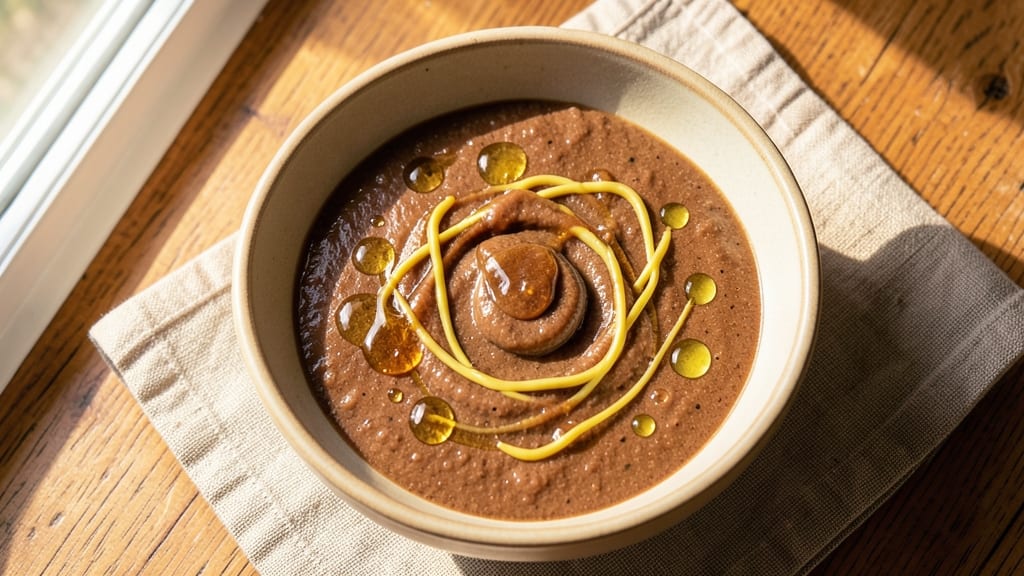
This apple juice salad dressing transforms simple greens into a vibrant, sweet-tart masterpiece—no emulsifiers or complicated steps required. 💛 The secret lies in balancing crisp apple juice with tangy vinegar and fresh herbs, creating a dressing that clings beautifully to lettuce while adding depth to proteins.
I developed this recipe after craving a lighter alternative to creamy dressings, and it became an instant favorite for everything from spring salads to grilled chicken bowls.
The foundation is simple: apple juice provides natural sweetness while masking any bitterness in greens, while Dijon mustard and honey add subtle richness. A splash of lemon juice brightens the flavor, and fresh dill or parsley keeps it fresh-tasting.
Unlike traditional vinaigrettes, this dressing stays balanced without overpowering the salad—perfect for those who prefer lighter, fruit-infused flavors over heavy creams.
What makes this dressing special is its versatility—it works equally well on crisp arugula, hearty kale, or even as a marinade for grilled fish. The ingredients blend effortlessly, and the dressing keeps for up to a week in the fridge, making it ideal for meal prep.
Whether you're dressing up a lunch salad or drizzling over roasted vegetables, this recipe delivers restaurant-quality results with minimal effort.
Ready in just 5 minutes, this dressing is the ideal solution for quick, flavorful meals. The natural sweetness of the apple juice pairs beautifully with savory proteins like chicken or shrimp, while the herbs add a fresh finish.
Here’s how to make it—simple, foolproof, and packed with bright, refreshing flavor.
Ingredients for apple juice salad dressing
Bright apple cider and fresh herbs create this elegant dressing for crisp greens—simple yet sophisticated.
| Ingredient | Amount | Notes |
|---|---|---|
| Unfiltered Apple Cider 🍎 | ½ cup | Cloudy variety for authentic flavor |
| Extra-Virgin Olive Oil 🫒 | ⅓ cup | Light fruity variety preferred |
| Dijon Mustard 🌶️ | 1 tbsp | High-quality grainy Dijon |
| Raw Honey 🍯 | 1 tbsp | Local honey for subtle floral notes |
| White Wine Vinegar 🍷 | 2 tbsp | Dry variety for proper acidity |
| Fresh Lemon Juice 🍋 | 1 tbsp | Freshly squeezed for brightness |
| Fresh Dill 🌿 | ¼ cup | Finely chopped stems included |
| Fresh Parsley 🌿 | 0.17 cup | Flat-leaf variety preferred |
| Diamond Crystal Kosher Salt 🧂 | ½ tsp | Fine grain for proper seasoning |
| Freshly Ground Black Pepper 🌶️ | ¼ tsp | Cracked peppercorns preferred |
The apple cider is non-negotiable—unfiltered cloudy cider provides that authentic apple flavor and subtle body. Whole Foods or local orchards carry the best varieties, but any quality apple juice works in a pinch. For the olive oil, California-grown brands like Corto or Filippo Berio shine here, offering that perfect balance of light fruitiness. The Dijon mustard should be 100% mustard seed—none of that processed junk. I always grab mine from Penzeys or the bulk bins at Trader Joe's for maximum flavor. Fresh herbs are critical too—organic dill and parsley from the grocery store's produce section work perfectly, just make sure they're vibrant and not wilted.
No apple cider? Fresh apple juice works equally well, but avoid the overly sweet bottled varieties. Swap the honey for maple syrup at 1:1 ratio if you need a vegan option. The white wine vinegar can be substituted with apple cider vinegar at half the amount for deeper apple notes. Fresh herbs unavailable? Dried dill at one-third the amount gets you close, though it won't be as vibrant. For a more intense flavor, add 1 tsp of apple cider vinegar to the mix. Remember, the dressing should taste balanced—sweet from the apple, tangy from the vinegar, and fresh from the herbs. Taste as you go and adjust accordingly.
This dressing keeps beautifully in the fridge for up to 7 days, though it tastes best within the first 3 days. Store in a glass jar with a tight seal to maintain freshness. For longer storage, freeze in ice cube trays and transfer to a container—perfect for single servings. Shake well before each use, as the herbs will settle. The dressing pairs beautifully with arugula, kale, or mixed greens, and even works as a marinade for grilled chicken or fish. Make a double batch—you'll want to use it on everything.
Why You'll Love This Recipe
- Five-Ingredient Magic: I swear by this—just whisk those five pantry staples (yes, even the unfiltered cider’s sediment adds depth) and you’ve got dressing. No blender, no straining, no second-guessing. Honestly, I’ve made it while waiting for pasta to boil.
- Sweet-Tart Balance: That honey and Dijon mustard team up like old friends—rich without being cloying, tangy without cutting through. The apple cider’s natural funk (thanks to the vinegar) makes it taste like autumn in a jar. Add it to greens, and suddenly your salad’s got character.
- Weeknight to Dinner Party: Slather it on a simple wedge salad for a quick lunch, or drizzle it over roasted chicken for dinner guests. Between us, I’ve used it to jazz up even takeout—yes, even on a Tuesday night. The honey keeps it from feeling too sharp, so it plays nice with everything.
- No-Waste, Long-Lasting: Make a big batch—it keeps for weeks in the fridge (the vinegar acts as a natural preservative). I’ve had it last through three grocery trips, and it never oxidizes or turn bitter. Budget win: olive oil and cider are cheaper than store-bought dressings, and you’ll use it up before it expires.
Step-by-step instructions for apple juice salad dressing
This dressing delivers a sophisticated balance of sweet, tart, and herbal notes perfect for crisp greens.
👨🍳 Step 1: Whisk Together the Liquid Base
In a medium bowl, combine the 0.5 cup unfiltered apple cider with the 0.33 cup extra-virgin olive oil. I use a whisk here to create a light, emulsified texture right from the start—this prevents separation later. The apple cider should have visible sediment, which adds depth to the dressing's flavor profile.
Next, add the 2 tablespoons white wine vinegar and 1 tablespoon fresh lemon juice. The vinegar provides the necessary acidity to balance the sweetness, while the lemon juice brightens the entire mixture. Whisk vigorously for 30 seconds until everything is fully incorporated and the liquid appears homogeneous.
👨🍳 Step 2: Incorporate the Sweet and Herbal Elements
Add the 1 tablespoon raw honey and 1 tablespoon Dijon mustard to the bowl. The honey will begin to dissolve immediately, creating a subtle sweetness that complements the tartness. Stir well with a fork or small whisk to ensure the mustard is fully distributed—this creates the perfect emulsifying agent for the dressing.
Now fold in the 0.25 cup finely chopped fresh dill and 0.17 cup chopped fresh parsley using a rubber spatula. I like to press the herbs against the side of the bowl to release their essential oils, which intensifies their flavor. The herbs should be evenly distributed throughout the dressing, with no large clumps remaining.
🍳 Step 3: Season and Emulsify
Add the 0.5 teaspoon Diamond Crystal kosher salt and 0.25 teaspoon freshly ground black pepper to the bowl. Taste the dressing at this stage—it should have a bright, tangy sweetness with a hint of herbal complexity. The salt should enhance all the flavors, while the pepper adds a subtle warmth that rounds out the profile.
Transfer the dressing to a clean jar with an airtight lid. Seal the jar and shake vigorously for 20-30 seconds until the dressing becomes thick and creamy. The shaking helps create a stable emulsion that won't separate in the fridge. If you notice any oil pooling on top after shaking, give it another quick shake before using.
⏰ Step 4: Rest and Adjust
Let the dressing rest at room temperature for 10 minutes before using. This resting period allows all the flavors to meld together and the emulsion to fully stabilize. After resting, give the dressing one final taste—this is your chance to adjust the balance if needed.
If the dressing tastes too sweet, add 1 teaspoon more white wine vinegar or 1 teaspoon lemon juice. If it needs more acidity, add ½ teaspoon additional vinegar. For extra sweetness, add ½ teaspoon more honey. The dressing should have a bright, balanced flavor that's neither cloyingly sweet nor overly tart—just perfectly balanced for crisp greens or hearty salads.
Pro Tips For Making Apple Juice Salad Dressing
- Whisk in stages: Start with the mustard and honey—whisk them together first until smooth, then slowly drizzle in the apple cider while mixing. This prevents clumping and lets the flavors meld better than dumping everything at once. (Yes, even if you’re impatient like me.)
- Use cold apple cider: Grab the apple cider straight from the fridge—cold cider emulsifies better with the oil and vinegar, so your dressing stays silky instead of separating. Warm cider makes this dressing greasy and unstable, and no one wants that.
- Skip the honey shortcut: Don’t grab that cheap store-brand honey—raw, local honey adds depth and a slight floral note that cuts through the sharpness of the vinegar. If you’re in a pinch, a 1:1 swap with maple syrup works, but it won’t taste the same.
- Measure vinegar last: Taste the dressing before adding the vinegar—it’s the most acidic ingredient, and you can always add more later. Too much upfront ruins the balance, and you’ll be stuck with a pucker-inducing mess. (I learned this after making a batch that tasted like a lemon wedge.)
Dietary considerations for this apple juice salad dressing
Vegan-Friendly Adaptations
This dressing is naturally vegan-friendly, but I make a few tweaks to ensure maximum flavor. Swap the raw honey for 1 tablespoon maple syrup—it adds a similar depth of sweetness without animal products.
The Dijon mustard is already vegan, and the apple cider is typically plant-based, so no other substitutions are needed. For extra richness, add 1 teaspoon tahini to the liquid base, which blends beautifully with the apple juice and adds a nutty undertone. 🌱
Gluten-Free Options
Since the recipe relies on Dijon mustard, always check the label to ensure it's gluten-free. Brands like Annie's or Maille offer certified gluten-free options. The rest of the ingredients are naturally gluten-free, so no other changes are necessary.
If you're avoiding mustard entirely, replace it with 1 teaspoon apple cider vinegar and an extra ½ teaspoon Dijon mustard substitute like ground flaxseed mixed with water for binding.
Nut-Free Considerations
This dressing is inherently nut-free, but if you're avoiding all seeds, skip the tahini substitution mentioned earlier. The original recipe is safe for those with nut allergies, as it only uses apple juice, olive oil, vinegar, honey (or maple syrup), herbs, and spices.
Always double-check your olive oil brand to ensure it's processed in a nut-free facility if severe allergies are a concern.
Low-Sugar Adjustments
For a lower-sugar version, reduce the honey to ½ tablespoon and add ½ teaspoon more white wine vinegar to balance the sweetness. Alternatively, use ½ teaspoon stevia or monk fruit sweetener dissolved in the apple juice before combining with other ingredients.
Taste as you go—low-sugar dressings need careful balancing to avoid a flat flavor profile.
Allergen-Free Safety
This dressing is free of common allergens like dairy, eggs, and shellfish, but always verify your ingredients. For example, some brands of Dijon mustard may contain traces of soy or gluten.
If you're sensitive to herbs, omit the fresh dill and parsley and replace them with ½ teaspoon dried basil or oregano for a different but still fresh herbal note. The dressing remains versatile and safe for most dietary restrictions. 💛
Nutrition facts
Frequently asked questions
Why does this dressing use unfiltered apple cider instead of regular apple juice?
The sediment in unfiltered apple cider adds depth and complexity to the dressing's flavor, making it taste more authentic and rich. Regular filtered apple juice lacks these subtle notes, which would make the dressing taste flatter. For best results, use cloudy apple cider—it's worth the difference!
Can I make this dressing without Dijon mustard?
Yes! If you're avoiding mustard, replace it with 1 teaspoon apple cider vinegar plus ½ teaspoon ground flaxseed mixed with 1 teaspoon water (let it thicken for 5 minutes). This combo mimics mustard's emulsifying properties while keeping the dressing stable. The flavor will be slightly different but still delicious.
How do I prevent the dressing from separating in the fridge?
Shake the jar vigorously for 20-30 seconds before each use, even after refrigeration. The Dijon mustard and honey act as natural emulsifiers, but gentle shaking helps maintain the creamy texture. For extra stability, add ½ teaspoon xanthan gum to the liquid base before blending.
What’s the best way to store leftovers?
Transfer the dressing to a glass jar with an airtight lid and store it in the fridge for up to 7 days. For longer storage, freeze in ice cube trays—thaw overnight in the fridge and shake well before using. The herbs may settle, so always shake thoroughly before drizzling.
Does this dressing work well on non-green salads?
This dressing shines on roasted vegetables, grilled chicken, or even as a marinade for fish or shrimp. The sweet-tart balance complements savory flavors beautifully. For heartier dishes, reduce the honey slightly to avoid overpowering the main ingredient.