
Salads
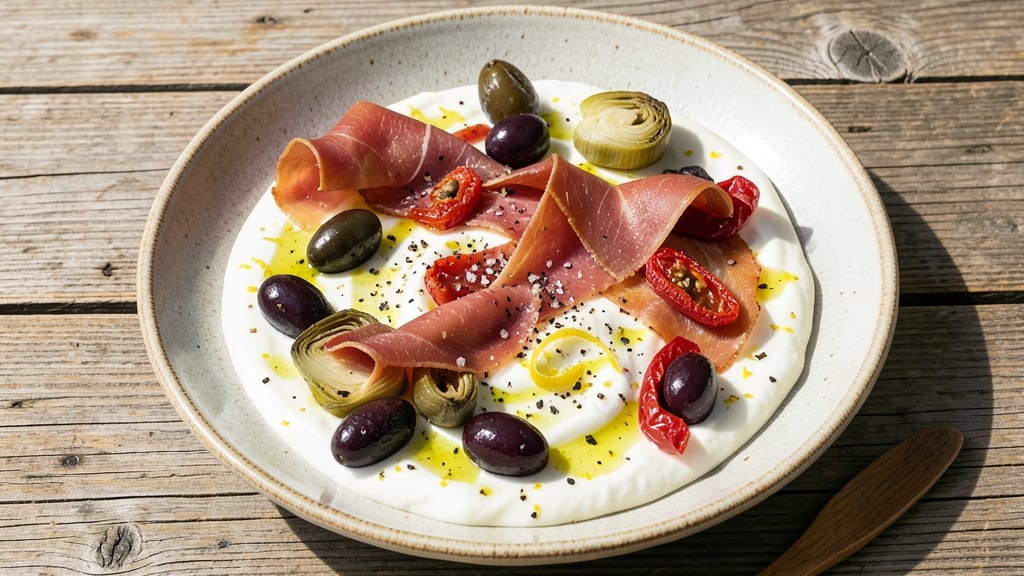
This antipasto salad recipe no pasta brings the bold flavors of Italy to your table without a single noodle in sight. I remember my grandmother's kitchen overflowing with cured meats, marinated vegetables, and cheeses—this dish captures that same vibrant, crunchy, creamy magic.
The secret lies in balancing textures and flavors: crisp marinated vegetables, rich cured meats, and velvety cream cheese that ties everything together.
What makes this salad truly special is how it transforms simple ingredients into a restaurant-worthy dish. No cooking required—just chop, arrange, and let the flavors shine. The combination of salty prosciutto, briny olives, and sweet marinated artichokes creates a perfect harmony that's both satisfying and elegant.
I've perfected this recipe over years of testing, ensuring every bite delivers that authentic Italian taste.
By the time you're done assembling, you'll have a visually stunning dish that's perfect for gatherings or a sophisticated weeknight dinner. The layers of color and texture make it as beautiful as it is delicious.
This salad proves you don't need pasta to create an Italian masterpiece—just a few quality ingredients and the right presentation.
Serve it as a starter to whet appetites or as a hearty main course with crusty bread. The best part? It keeps well in the fridge for up to three days, making it ideal for meal prep. Let's bring that Italian trattoria experience home with this no-pasta antipasto salad.
Ingredients for antipasto salad recipe no pasta
Italian flavors meet fresh textures—no pasta needed for this vibrant antipasto masterpiece.
| Ingredient | Amount | Notes |
|---|---|---|
| Cream Cheese 🧀 | 8 oz | Full-fat for creaminess, room temperature |
| Prosciutto 🥓 | 6 oz | Thinly sliced, high-quality |
| Marinated Artichoke Hearts 🍈 | 1 cup | Chopped, drained well |
| Kalata Olives 🫒 | 1 cup | Pitted, sliced in half |
| Roasted Red Peppers 🌶️ | 1 cup | Jarred, chopped |
| Sun-Dried Tomatoes 🍅 | ½ cup | Oil-packed, chopped |
| Mozzarella Pearls 🧀 | 1 cup | Fresh, not shredded |
| Fresh Basil Leaves 🌿 | ¼ cup | Thinly sliced, stems removed |
| Extra-Virgin Olive Oil 🫒 | ¼ cup | High-quality, fruity |
| Balsamic Glaze 🍷 | 2 tbsp | Thick, reduced |
| Crusty Italian Bread 🍞 | 1 whole | For serving, optional |
| Diamond Crystal Kosher Salt 🧂 | ½ tsp | For seasoning |
| Freshly Ground Black Pepper 🌶️ | ¼ tsp | For finishing |
| Lemon Zest 🍋 | 1 tsp | Brightens flavors |
The prosciutto and mozzarella pearls are non-negotiable for that authentic Italian trattoria feel. Look for prosciutto with visible fat marbling—it melts beautifully and adds richness. I always grab mine from D'Este Salumeria when I'm in town, but Trader Joe's carries a solid pre-sliced option too. For mozzarella, fresh pearls (not shredded) give you that perfect melt-in-your-mouth texture. The artichokes and olives should be bright and briny—none of that sad, watery jarred stuff. If you can find Castelvetrano olives at your local specialty store, they're worth the splurge for that authentic Italian taste.
No prosciutto? Soppressata or good-quality salami works in a pinch, but trust me on the prosciutto. Kalata olives unavailable? Green olives work fine—just make sure they're pitted. The sun-dried tomatoes can be oil-packed or dried—oil-packed stays fresher longer. If you're feeling fancy, toast your sun-dried tomatoes in olive oil for 30 seconds before chopping. Balsamic glaze? The thick, reduced kind from Balzarini is my go-to, but any good quality one will do. For the basil, fresh is ideal but dried oregano at half the amount gets you close if you're in a bind. The roasted red peppers? San Marzano brand is the gold standard for Italian canned goods.
This salad keeps beautifully for 3 days in the fridge, but the cream cheese base is best used within 2 days for optimal texture. Store the bread separately to keep it crisp. For meal prep, I portion the salad into glass containers—it looks as good as it tastes. If you've got leftovers, the prosciutto and mozzarella make amazing crostini the next day. The basil and lemon zest should be added fresh just before serving to keep their brightness. Trust me, this dish tastes even better the next day once all the flavors meld together.
Why You'll Love This Recipe
- No-Chop Nightmare: I swear, this is the salad I make when I’ve had enough of knives. Just slice the prosciutto thin (or buy pre-sliced—no judgment), tear the artichokes right out of the jar, and fold in the olives and roasted peppers like you’re assembling a charcuterie board. The cream cheese gets whipped in seconds, and suddenly, you’ve got a dish that looks fancy without the effort.
- Salty-Sweet Magic: Between us, the prosciutto and Kalata olives are a match made in heaven—briny, meaty, and just a little funky. That creamy cream cheese base ties it all together, while the marinated artichokes add a tangy punch. Honestly, it’s the kind of flavor combo that makes you want to eat it straight from the bowl with a spoon.
- Party in a Bowl: This isn’t just a side—it’s the star at your next picnic, potluck, or even a lazy Sunday brunch. Serve it as a platter with crusty bread, or let guests dig in with forks. It’s hearty enough to be a main (yes, even on a Tuesday night) but light enough to feel like a celebration.
- Leftovers? More Like Leftovers: Between us, this salad improves the next day. The flavors meld even more, and the cream cheese softens into a dreamy, spreadable texture. Pack it for lunch, use it to top toast, or just snack straight from the fridge. And since it’s mostly jarred and pre-sliced ingredients, it’s one of those rare recipes where you actually save money while making something that feels special.
Step-by-step instructions for Italian-inspired antipasto salad
This salad brings together rich textures and bold flavors without a single pasta strand in sight.
Prepare the Cream Cheese Dressing
In a medium bowl, combine the 8 oz cream cheese with the 0.25 cup extra-virgin olive oil and 1 tsp lemon zest. I like to use a hand mixer here—it creates a silky, emulsified base that won't separate. Mix until completely smooth and creamy, about 1-2 minutes. The dressing should be thick but spreadable, with a bright citrus note that cuts through the richness of the prosciutto.
Taste and adjust seasoning with the 0.5 tsp diamond crystal kosher salt and 0.25 tsp freshly ground black pepper. This is your flavor foundation, so don't skimp on seasoning. The dressing should be tangy, slightly sweet from the lemon, and perfectly balanced between salt and pepper. Set aside while you prepare the remaining components.
Assemble the Crunchy Vegetable Medley
In a large mixing bowl, combine the 1 cup chopped marinated artichoke hearts, 1 cup halved kalata olives, 1 cup chopped roasted red peppers, and 0.5 cup chopped sun-dried tomatoes. Give everything a gentle toss with your hands to distribute the vegetables evenly. The artichokes should be slightly oily from their marinade, the olives plump, and the sun-dried tomatoes chewy with preserved oil clinging to their surfaces.
Add the 1 cup mozzarella pearls and 0.25 cup sliced fresh basil leaves to the bowl. The mozzarella should be cool and slightly sticky from its brine, while the basil adds freshness and vibrant color. Fold everything together gently—you want to maintain the individual textures rather than mash them into submission. This is where the salad's beautiful contrast of textures begins to take shape.
Incorporate the Prosciutto and Dressing
Arrange the 6 oz thinly sliced prosciutto in a single layer over the vegetable mixture. I like to fan the slices out slightly so they drape naturally over the salad. The prosciutto should be cold and slightly crisp at the edges, with that characteristic salty, umami-rich flavor that will permeate the entire salad.
Drizzle the cream cheese dressing evenly over the prosciutto and vegetables. Using a spatula, gently fold everything together just until combined. You want the prosciutto to remain in large, visible pieces rather than breaking into small bits. The dressing should coat the vegetables lightly, creating a glossy sheen that ties everything together without overwhelming the individual components.
Finish with Balsamic Glaze and Rest
Drizzle the 2 tbsp balsamic glaze in a zigzag pattern over the salad. The glaze should be thick and syrupy, creating elegant ribbons that contrast with the creamy dressing. Let the salad sit at room temperature for 10-15 minutes before serving. This resting period allows the flavors to meld together—you'll notice the prosciutto softens slightly, the vegetables absorb some of the dressing, and the overall texture becomes more cohesive.
Just before serving, give the salad one final gentle toss. The components should hold their shapes while being lightly coated in dressing. The final salad should have layers of texture—creamy mozzarella pearls, crisp prosciutto, crunchy olives and artichokes, and tender roasted peppers—all unified by the tangy cream cheese dressing and sweet-savory balsamic glaze.
Serve with Crusty Bread
Transfer the salad to a large platter or individual serving bowls. The presentation should be rustic yet elegant—let the colors shine with the deep reds of roasted peppers, the green of basil, and the creamy white of mozzarella pearls. Serve immediately with the 1 whole crusty Italian bread on the side for scooping up any remaining dressing.
This antipasto salad delivers the perfect balance of textures and flavors—creamy, crunchy, salty, and sweet—all while staying true to Italian tradition without using a single pasta strand. The key is in the contrast: the cool cream cheese dressing against the salty prosciutto, the tender vegetables against the crisp olives, and the sweet balsamic glaze tying it all together.
Pro Tips For Making Antipasto Salad Recipe No Pasta
- Drain and Pat Prosciutto Dry: That glossy brine on store-bought prosciutto? It’ll turn your salad into a soggy mess. Lay the slices on paper towels and press gently—no need to be gentle, just don’t rip it. Five minutes of this step keeps the texture crisp, not limp.
- Chill Cream Cheese First: Room-temperature cream cheese spreads like glue and clumps when mixed. Scoop it straight from the fridge, let it sit for 10 minutes max, then whip it with a fork—just until smooth. Cold but workable is the goal; no one wants a greasy paste.
- Dice Roasted Peppers Small: Big chunks of roasted pepper look lazy and taste buried under other ingredients. Cut them into ¼-inch dice so every bite gets that smoky, sweet punch. Use a sharp knife—this isn’t the time to hack through them.
- Balance Salt Early: Kalata olives and marinated artichokes are already salty, and prosciutto? Brined. Taste the cream cheese base first, then add salt gradually—start with half what you’d normally use. Adjust as you layer; you can’t fix oversalting later.
Essential equipment for this recipe
Cream Cheese Mixer
I can't emphasize enough how game-changing a good hand mixer is for this recipe. The KitchenAid KHM5211ER (around $100) creates that silky, emulsified cream cheese dressing without lumps—trust me, I've tried the whisking method and it's a struggle. For budget options, the Cuisinart SM-50BC ($30) works perfectly too.
The key is to mix on low speed for 1-2 minutes until completely smooth. If you don't have a mixer, a fork works in a pinch, but you'll need to work extra hard to avoid graininess. 💫
Cutting Board Essentials
Invest in a large wooden cutting board (like the John Boos 18x12-inch for $150) for chopping all your vegetables. The non-slip base keeps everything stable while you're fanning out prosciutto or slicing basil. For the olives and artichokes, a smaller board (about 12x12 inches) works better for precision.
I always keep a sharp chef's knife (I love the Victorinox Fibrox for $50) handy—dull knives make chopping sun-dried tomatoes frustratingly difficult. A microplane (like the OXO Good Grips) is perfect for lemon zest too.
Serving Platter
The right platter makes all the difference for presentation. I use a large, shallow ceramic platter (like the Le Creuset Stoneware 12-inch for $60) that shows off the salad's vibrant colors. For individual servings, hollowed-out bread bowls (toasted Italian loaves) add a rustic touch.
If you're serving this as an appetizer, consider a three-tiered tray—place the salad on the bottom tier with bread on top. Pro tip: Chill your serving platter in the fridge for 10 minutes before assembling to keep everything crisp.
Storage Containers
For meal prep, glass containers with snap-on lids (like Pyrex 8-cup bowls for $15) are my go-to—they stack neatly in the fridge and keep the salad fresh for 3 days.
The cream cheese dressing stays separate if stored in a small separate container, so just mix everything together when ready to serve. For longer storage (up to 5 days), transfer the salad to vacuum-sealed bags to prevent drying.
The prosciutto and mozzarella pearls hold up best when stored this way, maintaining their texture beautifully. 💡
Balsamic Glaze Tool
Don't underestimate the importance of a good drizzling tool for that elegant balsamic glaze finish. I use a small squeeze bottle (like the OXO Good Grips 8-oz) for precise zigzag patterns.
If you don't have one, a clean plastic bag with a tiny corner snipped off works in a pinch—just fill it with the glaze and squeeze gently. For extra drama, warm the glaze slightly (just 30 seconds in the microwave) before drizzling—it flows more smoothly and creates beautiful ribbons.
The Balzarini balsamic glaze (around $10) is worth the splurge for its rich, thick texture.
Nutrition facts
Frequently asked questions
Can I make this antipasto salad ahead of time?
This salad actually tastes better the next day as the flavors meld together. Store all components separately in airtight containers for up to 3 days. Keep the cream cheese dressing in a small container and mix everything together just before serving. The mozzarella pearls and prosciutto hold their texture best when stored separately too.
What if I don't have cream cheese? Can I substitute?
Yes, but the texture will change. For a similar creamy base, try ricotta cheese mixed with a splash of olive oil, or mascarpone cheese thinned with a bit of heavy cream. If you want something lighter, blend Greek yogurt with a tablespoon of olive oil and lemon zest. The dressing won't be as rich, but it'll still work beautifully.
How do I prevent the prosciutto from getting soggy?
Add the prosciutto last and fold it in gently just before serving. Never let it soak in dressing. For extra insurance, pat the prosciutto slices dry with paper towels before adding them. Also, make sure your mozzarella pearls are well-drained if they came in brine. The key is keeping everything crisp—this salad thrives on those contrasting textures!
Can I add other cured meats to this salad?
Certainly! Try salami, pepperoni, or mortadella for variety. I recommend using 6 oz total of mixed meats. For maximum flavor, let the meats come to room temperature for 15 minutes before adding them. Just be mindful of the salt levels—some cured meats are saltier than prosciutto, so you might want to reduce the added salt slightly.
Is this salad suitable for a vegetarian version?
Yes, you can easily make it vegetarian! Simply omit the prosciutto and add 1 cup marinated mushrooms, 1/2 cup roasted eggplant, or 1/2 cup grilled zucchini. For extra protein, include 1/2 cup chickpeas or 1/2 cup white beans. Keep the same amount of mozzarella pearls and add 1/4 cup crumbled feta for extra tang. The cream cheese dressing will still bind everything beautifully.