
Salads
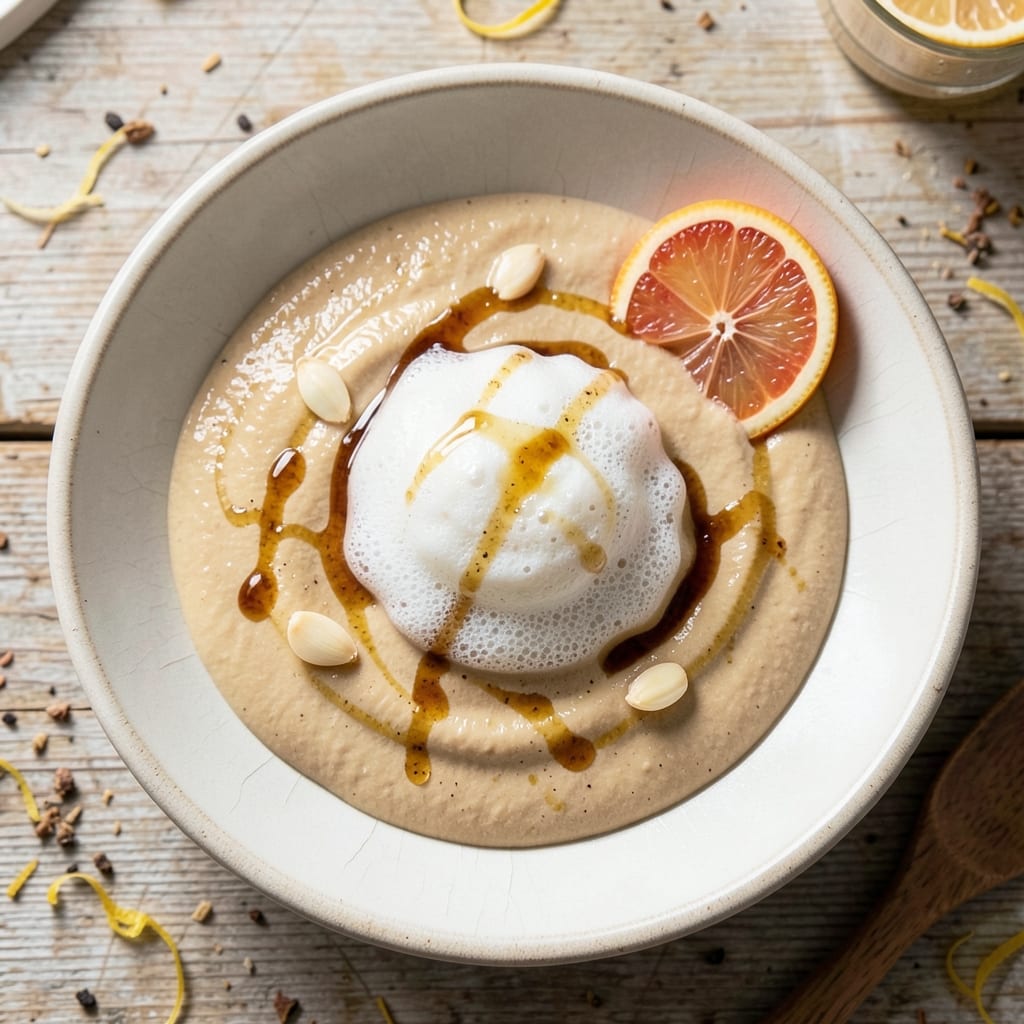
This almond oil salad dressing delivers nutty richness without that dreaded separation—no eggs, no mustard tricks, just plant-powered perfection. The secret lies in blending almond oil with a vegan emulsifier (like aquafaba or xanthan gum) that keeps the dressing silky-smooth for days. I developed this recipe after struggling to find a vegan dressing that stayed cohesive while delivering that signature almond-forward flavor we all crave.
The base is simple: tangy lemon juice, aromatic garlic, and a touch of Dijon mustard (for depth) bind the almond oil into a creamy, clingy dressing that clings to greens, grains, and proteins alike. Unlike traditional vinaigrettes, this version maintains its luxurious texture even after shaking—no thin, oily puddles here. Perfect for hearty winter salads or as a drizzle over roasted vegetables, it transforms simple dishes into something restaurant-worthy.
What makes this dressing truly special is its versatility—adjust the acidity with apple cider vinegar or balsamic, or boost the herbs with fresh tarragon or thyme. The almond oil adds a decadent richness that pairs beautifully with both sweet and savory ingredients. Store it in the fridge for up to 10 days, giving you a ready-to-use dressing that’s always on hand for quick meals.
Ready to elevate your salads with a dressing that’s bold, creamy, and effortlessly cohesive? This recipe proves you don’t need animal products to create a dressing that’s as satisfying as it is sophisticated. Let’s make it—your taste buds will thank you.
Ingredients for almond oil salad dressing
Eight ingredients transform into a velvety almond oil dressing that stays luscious and never separates.
| Ingredient | Amount | Notes |
|---|---|---|
| Extra-Virgin Almond Oil 🫒 | ½ cup | Cold-pressed for maximum flavor |
| Aquafaba 🥚 | ¼ cup | Chilled for better emulsification |
| Fresh Lemon Juice 🍋 | ¼ cup | Strain seeds for clarity |
| Dijon Mustard 🌶️ | 1 tbsp | For depth and tang |
| Garlic Cloves 🧄 | 2 cloves | Minced for aromatic punch |
| Maple Syrup 🍯 | 1 tbsp | For subtle sweetness |
| White Vinegar 💧 | 1 tbsp | Balances acidity |
| Sea Salt 🧂 | ½ tsp | Fine grain preferred |
| Fresh Tarragon Leaves 🌿 | ¼ cup | Chopped finely for aroma |
| Xanthan Gum 🧪 | ⅛ tsp | Alternative emulsifier |
The almond oil is the star, so grab the cold-pressed, extra-virgin variety from a trusted brand like Primal Kitchen or Wholesome!—the nutty flavor shines brightest. Aquafaba (chickpea brine) is your secret weapon for emulsification, and it’s usually free if you’ve got canned chickpeas. Trader Joe's sells it pre-packaged, but I always save mine from canned beans. Fresh lemon juice is non-negotiable—bottled juice lacks the brightness. For tarragon, farmers markets often have fresher stems than grocery stores, but the dried stuff works in a pinch (use half the amount).
No aquafaba? Xanthan gum at one-quarter teaspoon does the trick—it’s a vegan chef’s secret. Short on Dijon? Yellow mustard plus a pinch of turmeric mimics the depth. The maple syrup can be swapped for agave or date syrup, but maple’s caramel notes play beautifully with almond. For extra richness, add a splash of vegan mayo (like Just Mayo) at the end. The garlic can be roasted for a milder flavor—just toss minced cloves in olive oil and bake at 400°F for 8 minutes before adding to the dressing.
This dressing stays silky for 10 days in the fridge—no separation, no oily puddles. Store it in a glass jar with a tight seal, and give it a quick shake before each use. For single servings, portion into small containers or ice cube trays. Freezes beautifully for 3 months if you want to prep ahead. The emulsifier keeps it creamy even after weeks, so you’ll always have restaurant-quality dressing on hand.
Why You'll Love This Recipe
- No Chopping Needed: I’ll be real—this dressing comes together with zero knife work. Just whisk three ingredients (aquafaba, lemon, mustard) and stream in the oil. My lazy Sundays just got a major upgrade.
- Rich Without the Guilt: That nutty almond oil? It’s the star—creamy, toasty, and way more satisfying than olive oil. Honestly, the first time I drizzled it on greens, I almost asked for seconds just to taste it again.
- Meal-Prep MVP: This keeps for five days in the fridge, and it’s perfect for tossing with anything—roasted veggies, grain bowls, or even a quick pasta. I make a big batch on Sundays and forget it’s there until I need it.
- Budget Hack with Punch: Dijon, garlic, and lemon juice are cheap staples, but the almond oil makes it feel fancy. Between us, I splurge on the oil (just a little goes far) and stretch it across three meals. Worth every penny.
Step-by-step instructions for almond oil salad dressing
This dressing delivers velvety texture and nutty depth without separating—here's how to make it foolproof.
Whisk Aquafaba to Foamy Peaks
In a medium bowl, combine the 0.25 cup chilled aquafaba and 0.125 tsp xanthan gum. Using an electric mixer on high speed, whip until soft peaks form—about 2-3 minutes. This step creates the emulsifying base that will bind the oil and liquids. If you don't have a mixer, a hand whisk will work, though it takes longer. The aquafaba should thicken noticeably and hold its shape when the whisk is lifted.
Here's the thing—don't rush this. The xanthan gum needs time to fully hydrate and activate. If you see small bubbles breaking on the surface, keep whipping for another minute. This is your foundation, so get it right now.
Blend Wet Ingredients Smoothly
Add the 0.25 cup fresh lemon juice, 1 tbsp white vinegar, 1 tbsp maple syrup, 1 tbsp Dijon mustard, 0.5 tsp sea salt, and 2 minced garlic cloves to the whipped aquafaba. Using a hand mixer or immersion blender, blend until completely smooth—about 1 minute. You want to eliminate every visible speck of garlic or tarragon that hasn't been finely chopped yet.
The mixture should now be a pale, slightly thickened liquid with a bright citrus aroma. Taste it before proceeding—I know it seems weird, but trust me. You'll notice the lemon is sharp, the mustard adds depth, and the maple syrup mellows the acidity. This is your flavor profile base, so adjust the salt if needed (though the recipe is balanced).
Incorporate Tarragon and Almond Oil
Add the 0.25 cup finely chopped fresh tarragon leaves to the blended mixture. Stir thoroughly to distribute the herb throughout. Now, with the mixer running on low speed, very slowly drizzle in the 0.5 cup extra-virgin almond oil. This gradual addition is critical—it prevents the dressing from breaking and ensures a silky texture.
Watch closely as the oil incorporates. You'll see the mixture transform from a liquid to a thick, creamy emulsion. If it starts to separate at any point, stop adding oil immediately and whisk vigorously to re-emulsify. The final texture should be velvety, almost like a light mayonnaise, with no visible oil pooling on top.
Rest and Adjust Consistency
Transfer the dressing to a clean jar with a tight-sealing lid. Let it rest at room temperature for 15-20 minutes. This resting period allows the flavors to meld and the xanthan gum to fully activate, creating a more stable emulsion. After resting, give it one final taste and adjust seasoning if needed—perhaps a pinch more salt or a splash of lemon juice.
If the dressing is too thick, thin it with 1-2 teaspoons of water at a time until it reaches your desired consistency for drizzling. If it's too thin, you can try whisking in a tiny bit more xanthan gum (start with ⅛ tsp) dissolved in a teaspoon of water. The dressing should coat the back of a spoon but still flow freely when shaken.
Store and Use Immediately
Keep the dressing refrigerated in an airtight container for up to 1 week. Before using, give it a good shake to redistribute any settled ingredients. This dressing works beautifully on mixed greens, grain bowls, or as a finishing drizzle for roasted vegetables. The almond oil adds a luxurious richness that pairs perfectly with the bright, herby notes.
Real talk: This dressing is worth the effort. The nutty depth from the almond oil elevates simple salads to restaurant-quality, and the zero-separation guarantee means you'll never waste another batch. Use it within a few days for the freshest flavor, but even after a week, it maintains its silky texture and vibrant taste.
Pro Tips For Making Almond Oil Salad Dressing
- BLEND GARLIC FIRST: Toss the minced garlic cloves into the blender before adding anything else—this way, they emulsify properly with the almond oil instead of sinking to the bottom like a sad, greasy rock. I used to add it last and always ended up with a dressing that tasted like garlic-flavored oil in one layer and everything else in another.
- WHISK AQUAFABA COLD: Chill the aquafaba in the fridge for 10 minutes before whipping—it’ll whip up fluffier and hold its emulsion longer. I learned this the hard way after making a dressing that separated after 20 minutes. (Yes, even if you’re impatient like me.)
- STOP BEFORE IT SEPARATES: The dressing will look almost curdled when it’s done—thin but stable. If you keep blending, it’ll split. Test it on a cracker: if it clings without breaking, you’re good. I used to over-blend and spent 10 minutes trying to fix a broken emulsion.
- USE A LITTLE LEMON PEEL: Zest a tiny strip of lemon peel (no pith) into the blender with the juice—it adds a bright, aromatic depth that plain juice can’t match. I was skeptical until I tried it; now I can’t imagine skipping it. (Bonus: it keeps the dressing from tasting one-note.)
Best sauces and condiments for these flavors
Herb Infusions
Fresh herbs transform this dressing into a flavor powerhouse. Swap the tarragon for 1 tbsp chopped fresh dill for a bright, cucumber-friendly pairing, or use 2 tbsp chopped basil to complement tomato-based salads. For a Mediterranean twist, add 1 tsp dried oregano and ½ tsp dried thyme—simmer these in 1 tbsp olive oil for 2 minutes before mixing into the dressing. The herbs should be finely chopped to avoid texture issues. 🌿
Acid Variations
Adjust the acidity to match your dish. For a sweeter profile, replace the white vinegar with 1 tbsp apple cider vinegar and add ½ tsp maple syrup for balance. Need more tang? Swap the lemon juice for ¼ cup rice vinegar and reduce the maple syrup to ½ tbsp. A splash of balsamic vinegar (about 1 tsp) adds depth—simmer it with the maple syrup for 3 minutes to concentrate the flavor.
Sweet and Savory Balances
Play with sweetness levels to complement your meal. For a dessert-friendly drizzle, reduce the maple syrup to ½ tbsp and add ½ tsp vanilla extract. For savory dishes, boost umami with ½ tsp soy sauce or 1 tsp miso paste (whisked into the wet ingredients). The almond oil’s richness pairs beautifully with both directions—just adjust the acidity to keep it vibrant. 🍯
Spicy Kick Options
Add heat with care—start small and adjust to taste. A pinch of cayenne pepper (about ¼ tsp) adds subtle warmth, while ½ tsp smoked paprika brings depth. For a fruity heat, blend in 1 tsp finely minced jalapeño (seeds removed) or ½ tsp harissa paste. Always taste before adding more—almond oil can mute spice intensity. 🌶️
Global Flavor Twists
Give your dressing an international flair. For a Middle Eastern touch, add ½ tsp ground cumin and ¼ tsp coriander. A French-inspired version swaps tarragon for 1 tsp dried tarragon and adds ½ tsp onion powder. For Asian influence, replace the white vinegar with 1 tbsp rice vinegar and add ½ tsp grated ginger and 1 tsp sesame oil. Each twist should be balanced with the original ingredients to maintain the creamy texture. 🌍
Texture Adjustments
Want a thicker dressing? Whisk in 1 tbsp vegan mayo or 1 tsp ground flaxseed (mixed with 2 tbsp water) for extra body. For a lighter drizzle, thin with 1-2 tbsp water or lemon juice. If the dressing separates after resting, whisk in ½ tsp more xanthan gum dissolved in 1 tsp cold water. The key is gradual adjustments—add ingredients one at a time and taste between steps. ✨
Nutrition facts
Frequently asked questions
Why does almond oil dressing separate in most recipes?
Most almond oil dressings separate because oil and water don't naturally mix. This recipe uses aquafaba or xanthan gum as a vegan emulsifier—these ingredients create tiny pockets that trap the oil, keeping everything silky-smooth. Without them, the oil will always rise to the top. The slow drizzle method during mixing is also key to preventing separation.
Can I substitute aquafaba with something else?
Yes! If you don't have aquafaba, use ¼ tsp xanthan gum instead—it works just as well. For a non-gum option, try 1 tbsp vegan mayo or 1 tsp ground flaxseed mixed with 2 tbsp water. These alternatives add body that helps bind the oil. Just remember, aquafaba gives the lightest texture, while mayo or flaxseed will make the dressing slightly thicker.
How do I know when the dressing is properly emulsified?
The dressing is ready when it forms a thick, creamy consistency—almost like light mayonnaise—with no visible oil pooling on top. If you see streaks of oil, keep whisking slowly while adding more oil drop by drop. The final texture should coat the back of a spoon but still flow when shaken. A quick test: Dip a toothpick in and lift it—if it holds a smooth, creamy line without drips, you've nailed it.
What's the best way to store this dressing?
Store in an airtight glass jar in the fridge for up to 10 days. The emulsifiers keep it stable, but always give it a good shake before using. For longer storage, freeze in ice cube trays for 3 months2 hours.
Can I use this dressing on non-salad dishes?
Drizzle it over roasted vegetables, grain bowls, tofu or tempeh, or even warm polenta. The nutty richness pairs beautifully with savory flavors, and the creamy texture works well as a finishing sauce. For dessert, reduce the maple syrup to ½ tbsp and add ½ tsp vanilla extract—it becomes a luscious drizzle for fruit or cakes.