
Salads
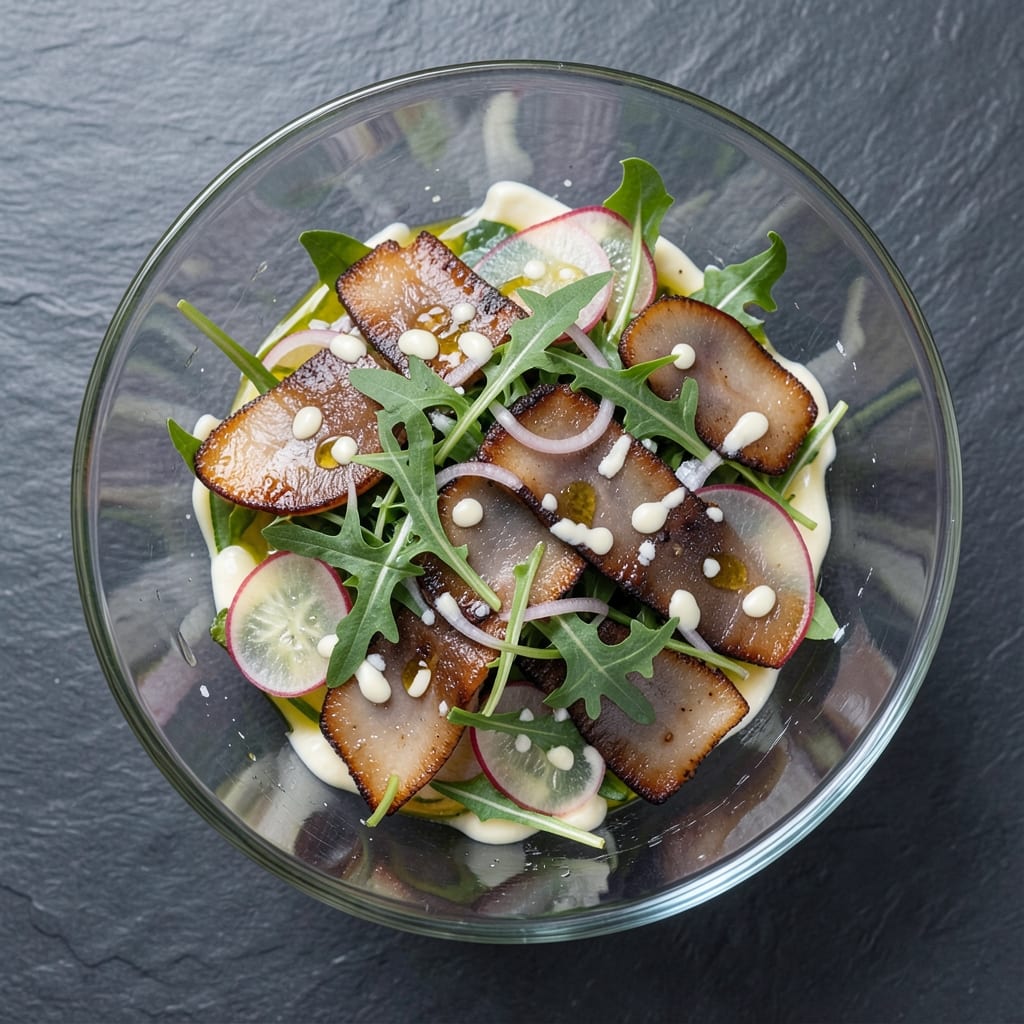
This abalone salad recipe transforms delicate abalone into a luxurious dish with bright citrus-lime crunch and tender greens. The key lies in properly preparing the abalone—whether seared for tender bites or served raw for sashimi-style elegance—paired with a dressing that balances acidity and richness. For pescatarians, this dish delivers oceanic sophistication without meat, making it perfect for special occasions or elegant weeknight dinners.
The foundation begins with fresh abalone, cleaned and cooked to perfection—either seared in butter for a silky texture or sliced thin for raw presentation. A zesty citrus-lime dressing ties everything together, cutting through the abalone’s natural richness while enhancing the salad’s vibrant flavors. The contrast of crisp vegetables and tender greens elevates each bite, creating a harmonious balance of textures and tastes.
What sets this salad apart is its attention to presentation—plating the abalone in elegant slices or delicate curls, surrounded by bright greens and garnished with edible flowers or toasted nuts. The result is a dish that looks as impressive as it tastes, ideal for impressing guests or treating yourself to a restaurant-quality meal at home. Every component works together to create a dish that’s both refined and approachable.
Pair this salad with complementary sides like grilled asparagus, seared scallops, or a light miso soup to round out the meal. The recipe’s versatility allows for adjustments—whether you prefer a lighter dressing or a bolder flavor profile—while maintaining its luxurious appeal. Ready to create a dish that’s as visually stunning as it is delicious?
Ingredients for abalone salad
Fresh abalone, crisp vegetables, and zesty citrus-lime dressing create this luxurious yet approachable salad.
| Ingredient | Amount | Notes |
|---|---|---|
| Fresh Abalone 🐚 | 12 oz | Cleaned, sliced into thin strips |
| Persian Cucumbers 🥒 | 1 ½ cups | Thinly sliced, seeds removed |
| Baby Arugula 🌱 | 4 cups | Fresh, organic preferred |
| Red Onion 🧅 | ½ cup | Thinly sliced, soaking in cold water |
| Extra-Virgin Olive Oil 🫒 | ½ cup | High-quality, fruity variety |
| Unsalted Butter 🧈 | 2 tbsp | For searing abalone |
| Fresh Lime Juice 🍋 | ⅓ cup | Strained, no pulp |
| Fresh Lemon Juice 🍋 | ¼ cup | Strained, no pulp |
| Honey 🍯 | 1 tbsp | Raw, local preferred |
| Toasted Sesame Seeds 🌰 | 1 tbsp | For garnish |
| Edible Flowers 🌸 | ¼ cup | Optional garnish |
| Diamond Crystal Kosher Salt 🧂 | 1 ½ tsp | For seasoning |
| Freshly Ground Black Pepper 🌶️ | ½ tsp | Cracked peppercorns |
| Mandarin Orange Segments 🍊 | ½ cup | Fresh, peeled |
| Crispy Shallots 🧅 | ¼ cup | Store-bought or homemade |
The abalone is the centerpiece—fresh, sustainably sourced is non-negotiable for optimal texture and flavor. Whole Foods Market or specialty seafood markets like Seafood Marketplace carry the best quality, often pre-cleaned for convenience. If working with whole abalone, ask your fishmonger to clean and slice it—proper preparation ensures silky bites. The cucumbers should be crisp and vibrant, with no soft spots, while the arugula adds peppery contrast. For presentation, organic edible flowers from Local Sprouts elevate the dish without overpowering the delicate flavors.
No fresh shallots? Substitute with finely chopped red onion sautéed in olive oil until crispy. Prefer a lighter dressing? Reduce the honey to 1 teaspoon and add an extra splash of lime juice. For a bolder flavor profile, increase the citrus to 0.5 cup total and add a pinch of chili flakes. The butter for searing should be cold and unsalted—melt it gently over low heat to avoid cooking the abalone too quickly. If serving raw abalone, ensure it's sushi-grade and slice against the grain for tender bites.
Store prepped abalone in an airtight container with a thin layer of olive oil for up to 2 days in the fridge. The dressing keeps for 3 days when refrigerated in a sealed jar. For maximum freshness, assemble the salad just before serving—arugula wilts quickly, so add it last. Garnishes like toasted sesame seeds and crispy shallots can be prepped ahead and stored in the pantry. This dish reheats poorly, so plan to serve it fresh for optimal texture and presentation.
Why You'll Love This Recipe
- No-Fuss Assembly: I swear, this comes together faster than takeout. Slice the abalone into thin strips (or grab pre-sliced if you’re really short on time), toss in the cucumbers and arugula—no cooking required—and drizzle with olive oil. Honestly, the hardest part is deciding whether to eat it immediately or wait for guests.
- Ocean-Meets-Garden Crunch: That first bite? The abalone’s tender, briny sweetness paired with the peppery arugula and crisp Persian cucumbers—it’s like a seafood sushi roll but with zero rolling involved. Between us, the red onion adds just enough sharpness to keep it from tasting like a sad office salad.
- Picnic to Party Table: Pack it in a jar for a lunchbox, serve it as a starter for dinner guests, or let the kids dunk toasted baguette slices in it. (Yes, even on a Tuesday night.) The ingredients hold up beautifully, so you’re not stuck scrambling last-minute—just assemble and go.
- Leftovers That Don’t Suck: Most salads wilt by day two, but this? It’s still fresh-tasting in the fridge for three days. The abalone stays firm, the cucumbers hold their crunch, and the olive oil keeps everything from drying out. My secret weapon for “I don’t wanna cook” nights—or when I finally remember to meal prep.
Step-by-step instructions for silky abalone with citrus-lime crunch
Mastering this delicate seafood requires precision timing and gentle handling to preserve its tender texture.
Prepare the Abalone for Perfect Texture
Begin by slicing the 12 oz fresh abalone into thin strips, working carefully to maintain even thickness—about ¼-inch thick. Pat each strip completely dry with paper towels to ensure maximum sear and prevent steaming. Place the abalone strips on a plate and set aside while you prepare the searing butter.
In a small saucepan, melt the 2 tbsp unsalted butter over low heat until it reaches 160°F—just below its smoking point. The butter should be fully melted but not browned, creating a silky medium for cooking the delicate abalone. Keep the butter warm in the saucepan until ready to use, as cold butter will cook the abalone unevenly.
Sear the Abalone for Silky Perfection
Working in batches if needed, carefully place the abalone strips into the warm butter. Cook for exactly 30 seconds per side—this brief sear will create a delicate golden crust while keeping the interior silky and tender. The abalone will release easily from the pan when properly cooked; if it sticks, reduce the heat slightly and cook for an additional 10 seconds per side.
Remove the abalone strips and drain them on a wire rack lined with paper towels. This step is critical—draining prevents the abalone from steaming and ensures each bite remains tender. Reserve the butter in the saucepan for later use in the dressing.
Assemble the Citrus-Lime Dressing
In a medium bowl, whisk together the 0.5 cup extra-virgin olive oil, 0.33 cup fresh lime juice, 0.25 cup fresh lemon juice, 1 tbsp honey, 1.5 tsp diamond crystal kosher salt, and 0.5 tsp freshly ground black pepper. Add the reserved warm butter from searing the abalone and whisk until fully emulsified, creating a glossy, balanced dressing that complements the abalone's delicate flavor.
Taste and adjust the balance—this is where the magic happens. The honey should mellow the acidity, while the citrus brightens the abalone's natural sweetness. If the dressing tastes too sharp, add a touch more honey; if it's too sweet, a splash of lime juice will restore balance.
Build the Salad with Crunchy Contrasts
In a large bowl, combine the 4 cups baby arugula, 1.5 cups persian cucumbers, 0.5 cup mandarin orange segments, and 0.5 cup red onion (drained and patted dry). Gently toss with half of the dressing, reserving the rest for serving. The arugula should be lightly coated—just enough to bring out its peppery notes without wilting.
Arrange the seared abalone strips artfully over the salad base, ensuring each serving gets its share of the silky protein. The abalone's delicate texture contrasts beautifully with the crisp cucumbers and bright citrus segments, creating a harmonious balance of textures.
Garnish and Serve Immediately
Just before serving, sprinkle the salad with 1 tbsp toasted sesame seeds, 0.25 cup edible flowers, and 0.25 cup crispy shallots for added crunch and visual appeal. Drizzle with the remaining dressing and gently toss to combine. The crispy shallots add a savory depth, while the edible flowers introduce a delicate floral note that elevates the dish.
Serve immediately while the abalone remains tender and the dressing glistens. Each bite should deliver a perfect marriage of silky abalone, bright citrus, and crisp vegetable crunch—proof that seafood salads can be both elegant and approachable.
Pro Tips For Making Abalone Salad
- Sear Abalone Fast: Hit the abalone with a screaming-hot pan—just 30 seconds per side—until the edges crisp and pull away from the meat. Overcooking turns it rubbery, and undercooking leaves it chewy. I learned this after burning one side to a crisp while the other stayed raw. ---
- Slice Cucumbers Thin: Use a mandoline or sharp knife to cut Persian cucumbers into paper-thin rounds. Thick slices release too much water and dilute the salad. Thin slices keep the texture crisp and the dish balanced. ---
- Salt the Arugula: Toss the baby arugula with a pinch of flaky salt right before dressing—it softens the edges and makes it cling to the abalone. I used to skip this, and the greens always felt too separate. ---
- Rest Abalone Before Serving: Let the seared abalone sit for 2 minutes after cooking. This lets the juices redistribute, so every bite stays tender. Serving it immediately means dry, tough slices—trust me, it’s worth the wait.
Storing and reheating this recipe
Refrigerator Storage
Store seared abalone in an airtight container with a thin layer of extra-virgin olive oil to preserve its delicate texture for up to 2 days in the refrigerator. The citrus-lime dressing keeps separately in a sealed jar for the same duration—this prevents the abalone from absorbing flavors that might alter its natural sweetness. I always label containers with the date to track freshness. ❄️
Freezer Preservation
Abalone freezes poorly due to its tender texture, but if you must, flash-freeze the seared strips on a parchment-lined tray for 1 hour before transferring to a freezer-safe bag with 1 inch of headspace. Thaw in the fridge overnight—never at room temperature—to maintain texture. The dressing can be frozen for 1 month, but I recommend making it fresh for optimal flavor. 💡
Reheating Methods
For best results, never reheat abalone—it becomes rubbery when warmed. Instead, serve it fresh from the fridge, allowing it to come to room temperature for 10 minutes before plating. If you must reheat the salad base (without abalone), warm it gently in a microwave at 50% power for 30 seconds, then toss with fresh dressing. The arugula should be added last to preserve its crispness. 🌱
Dressing Refresh
If the dressing separates after refrigeration, simply whisk vigorously to re-emulsify. For extra brightness, add 1 tsp fresh lime juice and adjust honey or salt as needed. I keep a small jar of dressing in the fridge at all times so I can quickly revive it—this ensures every bite of abalone salad remains vibrant and cohesive. ✨
Garnish Prep Ahead
Toast sesame seeds and crispy shallots in advance and store in airtight containers at room temperature for up to 1 week. Edible flowers can be refrigerated in a damp paper towel-lined container for 2 days—this keeps them fresh for garnishing. Prepping garnishes ahead saves time and ensures your salad always looks as stunning as it tastes. 🌸
Serving Temperature
Serve the abalone salad chilled for the best texture contrast. The cold temperature enhances the crispness of the cucumbers and arugula while keeping the abalone tender. I often chill the abalone strips for 30 minutes before assembling to ensure they're perfectly set. For a restaurant-style presentation, serve on a large platter surrounded by garnishes and let guests assemble their own bowls. 🍽️
Nutrition facts
Frequently asked questions
Can I substitute abalone with another seafood in this salad?
Yes, but choose wisely! For similar texture, try scallops or firm white fish like halibut. Avoid delicate fish like sole—they'll overcook. If using scallops, sear them for 2 minutes per side until golden. For raw preparations, sushi-grade tuna or seared octopus work well, but adjust cooking times accordingly.
How do I properly clean and prepare fresh abalone?
Start by removing the abalone from its shell using a sharp knife, then scrape off any black membrane with a spoon. Rinse thoroughly under cold water and pat completely dry. For best results, ask your fishmonger to clean and slice it—proper preparation ensures tender bites. If working with whole abalone, slice against the grain for maximum tenderness.
Can I make this salad ahead of time?
Prepare components separately for best results. Sear the abalone and store it in an airtight container with olive oil for 2 days. Assemble the dressing and store separately. Keep garnishes prepped in advance. When ready to serve, toss everything together—this preserves the crispness of the vegetables and the delicate texture of the abalone.
What's the best way to adjust the dressing for different tastes?
For a lighter touch, reduce honey to 1 teaspoon and add 1 extra tablespoon of lime juice. For richer flavor, increase olive oil to ⅔ cup and add a pinch of red pepper flakes. The key is balancing sweetness and acidity—taste as you go! For tropical notes, swap half the citrus for passionfruit juice.
Is this recipe suitable for a special occasion dinner?
This salad's elegant presentation makes it perfect for dinner parties. Serve on a large platter with complementary sides like grilled asparagus or a light miso soup. For extra flair, add gold leaf or microgreens as garnish. The dish balances sophistication with approachability—ideal for impressing guests without stress.