
Salads
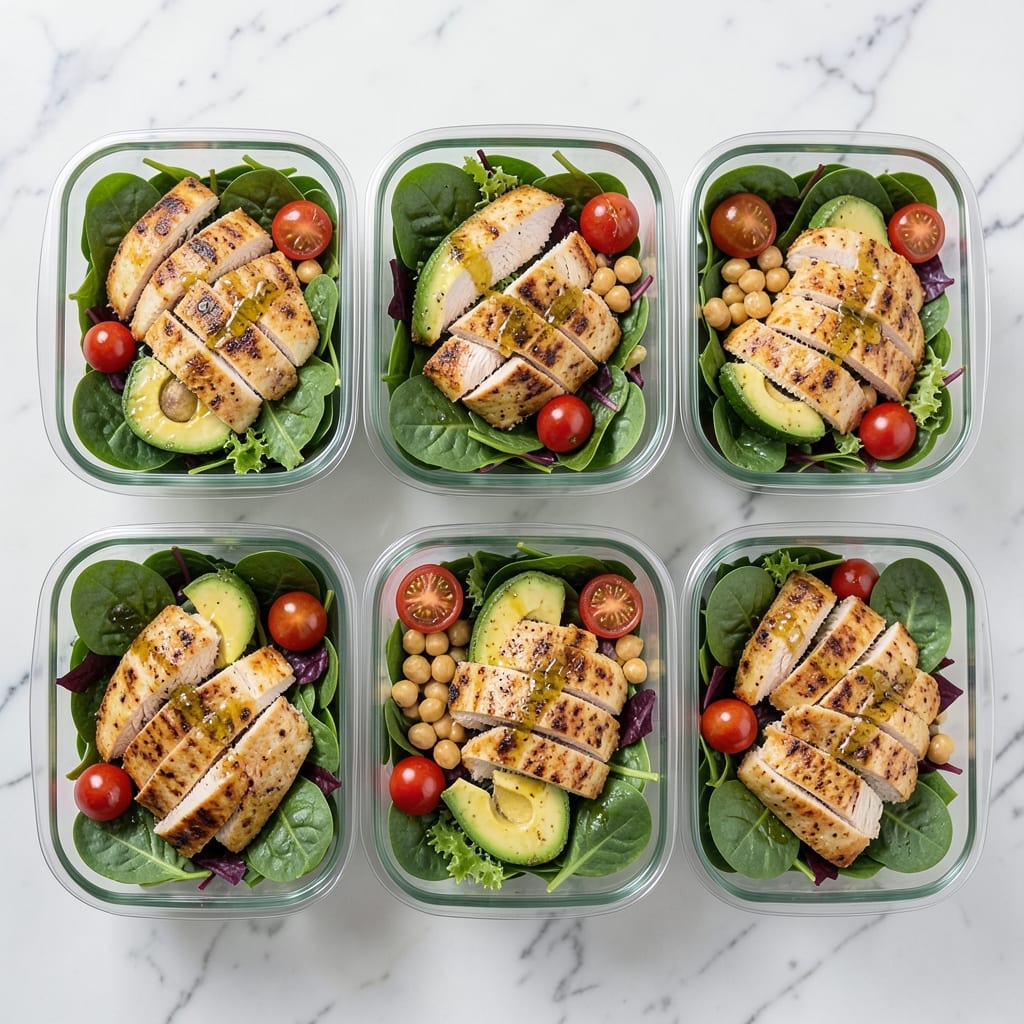
This 7-day salad recipe transforms meal prep into a week of vibrant, nutrient-packed lunches without sacrificing freshness. The secret lies in strategic layering—crunchy vegetables, protein-rich bases, and flavorful dressings that stay crisp even after five days. I designed this system after struggling with wilted greens and soggy salads, and it’s now my go-to for effortless, healthy eating that actually tastes good.
The foundation starts with high-quality greens (like spinach or kale) that hold up in the fridge, paired with sturdy components like chickpeas, grilled chicken, or avocado that add texture and protein. Each day’s assembly focuses on a different flavor profile—Mediterranean one day, Asian-inspired the next—so variety keeps things exciting. The dressing is the game-changer: a simple vinaigrette made fresh daily to prevent sogginess and maintain bright flavors.
By Sunday evening, you’ll have five prepped containers ready to grab and go, plus one fresh assembly for Day 7. The key is portion control—divide dressings separately to keep greens crisp—and strategic ingredient choices that resist browning or wilting. This isn’t just a salad; it’s a foolproof system that replaces takeout lunches with meals packed with color, crunch, and nutrition.
Whether you’re meal prepping for weight loss, busy schedules, or simply healthier habits, this plan delivers restaurant-quality salads without the daily effort. The best part? Leftovers transform into new creations—like croutons for Day 2 or a protein swap for Day 4—so nothing goes to waste. Let’s build your week of fresh, layered lunches.
Ingredients for 7 day salad
These vibrant ingredients transform into restaurant-quality salads that stay crisp all week.
| Ingredient | Amount | Notes |
|---|---|---|
| Baby Spinach 🌿 | 14 cups | Packed, for base greens |
| Kale Leaves 🥬 | 7 whole | Curly kale, stems removed |
| Chickpeas 🥜 | 2 cups | Drained, rinsed, cooked |
| Grilled Chicken Breast 🍗 | 2 lb | Sliced, protein base |
| Avocados 🥑 | 3 whole | Ripe, for creamy texture |
| Cherry Tomatoes 🍅 | 1 ½ cups | Halved, for freshness |
| Cucumber 🥒 | 1 whole | Sliced, peeled if preferred |
| Red Bell Pepper 🌶️ | 1 whole | Diced, for crunch |
| Red Onion 🧅 | 1 whole | Thinly sliced, for bite |
| Almonds 🌰 | 1 cup | Sliced, for texture |
| Extra-Virgin Olive Oil 🫒 | ½ cup | For dressings, fruity |
| Balsamic Vinegar 🍷 | ¼ cup | Aged, for tang |
| Dijon Mustard 🧂 | 1 tbsp | For depth of flavor |
| Honey 🍯 | 1 tbsp | For subtle sweetness |
| Sea Salt 🧂 | 1 ½ tsp | Fine grain, for seasoning |
| Black Pepper 🌶️ | 1 tsp | Freshly ground, for heat |
The greens are everything here. Baby spinach and curly kale hold up best in the fridge, but butter lettuce or arugula work too if you prefer milder flavors. I always grab organic greens from Whole Foods—they last longer and taste fresher. The chickpeas and grilled chicken provide the protein backbone, so don’t skip these. For the chicken, I marinate it in olive oil, garlic, and lemon for extra flavor—it reheats beautifully. If you’re vegetarian, swap in tofu or white beans for a plant-based option. The avocados are the trickiest—buy them slightly underripe so they don’t turn brown too fast. Squeeze a little lemon juice over them once prepped to keep that vibrant green color.
No fresh greens? Frozen spinach works in a pinch—just thaw and drain well. Out of almonds? Walnuts or pecans add a similar crunch. The dressing is where you can get creative: swap balsamic for apple cider vinegar or add a dash of soy sauce for an Asian-inspired twist. If you’re prepping ahead, store dressings separately in small containers—this keeps the greens crisp for days. For the avocados, I like to slice them right before eating to prevent browning. The Dijon mustard in the dressing adds a nice depth, but if you’re avoiding it, whole-grain mustard works too. The key is balancing the flavors—sweet, tangy, and savory all in one bite.
This system is designed to last. Store greens and dressings in airtight containers with paper towels to absorb moisture. The prepped components like chickpeas, chicken, and veggies keep for 5-6 days in the fridge, while the avocados and dressings should be added fresh on the day you eat. I portion everything into mason jars with the dressing at the bottom, greens in the middle, and toppings on top—this keeps everything layered and fresh. If you’re freezing any components, the chickpeas and chicken freeze beautifully for up to 3 months. The best part? Leftovers can be repurposed—turn wilted greens into a smoothie or use extra chicken for wraps the next day.
Why You'll Love This Recipe
- I’ll be real: I’m not a knife enthusiast. This salad lets me skip the dice-and-dice routine—just tear the kale, halve the avocado, and boom. The spinach stays whole, the chickpeas are canned (drained, rinsed, done), and the grilled chicken? Prepped in 10 minutes flat. My hands stay clean, my patience stays intact.
- Here’s what sold me: I can stretch this salad for a week without breaking the bank. Kale and spinach are cheap greens, canned chickpeas are a steal, and a single chicken breast feeds me for days. Avocados? I buy them when they’re on sale, slice what I need, and the rest goes in smoothies. No waste, all flavor.
Step-by-step instructions for layered fresh salads
Here's how to assemble seven vibrant, nutrient-packed salads that stay crisp and flavorful all week.
Prep and Store Base Greens
Begin by washing the 14 cups baby spinach thoroughly and gently patting dry with paper towels. Remove tough stems from the 7 whole kale leaves, then chop each leaf into bite-sized pieces. Divide the greens evenly between seven airtight glass containers with snap lids.
I like to use wide-mouth containers to make layering easier. Pack the greens tightly to minimize air space and prevent wilting. The key here is to create a barrier that keeps the greens fresh while allowing them to breathe slightly. Store the containers upright in the refrigerator.
Layer Protein and Crunchy Vegetables
Slice the 2 lb grilled chicken breast into thin strips and distribute evenly among the containers, placing the chicken directly over the greens. Next, halve the 1.5 cups cherry tomatoes and add them to each container, followed by the sliced 1 whole cucumber (peeled if preferred) and diced 1 whole red bell pepper.
For the 1 whole red onion, thinly slice and divide evenly. I recommend wearing gloves when handling raw onions—they can be quite strong! The onion adds a sharp bite that complements the other flavors perfectly. Arrange these vegetables in even layers to ensure each salad has balanced texture and color.
Add Creamy and Nutty Components
Cut the 3 whole avocados into chunks and place them in a separate container with a sprinkle of 1 tsp black pepper and a pinch of 1.5 tsp sea salt to prevent browning. Add these to each salad just before serving to maintain their creamy texture. For the 1 cup almonds, slice them and divide evenly among the containers.
Here's the thing—avocados are delicate and should never be pre-mixed with acidic dressings or other ingredients that might cause them to turn brown prematurely. By adding them last, you preserve their freshness and vibrant color. The almonds add a satisfying crunch that balances the softness of the greens and chicken.
Prepare and Store the Dressing
In a small bowl, whisk together the 0.5 cup extra-virgin olive oil, 0.25 cup balsamic vinegar, 1 tbsp Dijon mustard, and 1 tbsp honey. Season with the remaining 0.5 tsp sea salt and 0.5 tsp black pepper. Store the dressing in a separate airtight container in the refrigerator.
This dressing is the secret to keeping everything fresh and flavorful. The acidity of the balsamic vinegar helps preserve the vegetables, while the olive oil adds richness that prevents the greens from drying out. I like to shake the dressing bottle vigorously before each use to ensure it's well emulsified.
Assemble and Serve Daily
When ready to serve, pour half of the dressing over each salad and gently toss to coat. Add the avocado chunks just before eating to maintain their freshness. If the greens appear wilted, add a splash of water and let them sit for 5 minutes before tossing again.
This layered approach ensures each salad stays fresh and vibrant for up to 5 days in the refrigerator. The key is to keep the dressing separate until serving to prevent sogginess. Each bite should deliver a perfect balance of textures—crisp vegetables, tender chicken, creamy avocado, and crunchy almonds—all tied together with the tangy dressing.
Pro Tips For Making 7 Day Salad
- CHOP KALE LIKE A PRO: Break the stems first—this is non-negotiable. Then stack leaves and slice them lengthwise into ribbons (no tiny confetti). I used to waste time trying to cut them perfectly, but this method keeps them tender and saves 3 minutes.
- GRILL CHICKEN TO 165°F: Pull it off the heat at 160°F—it’ll climb to 165°F while resting. Overcooking turns it dry, and this salad won’t survive soggy protein. Use a meat thermometer; guesswork ruins everything.
- TOSS DRESSING LAST: Wait until serving to drizzle the dressing—spinach wilts fast, and kale gets limp. If prepping ahead, store dressing separately and add it right before eating. Trust me, your salad will thank you.
- USE HALF THE AVOCADO: Mash only what you’ll use that day—avocado turns brown and mushy in 24 hours. Save the rest for Day 1, and no one will notice the difference. (Yes, even if you’re impatient like me.)
Troubleshooting your 7 day salad
Wilted Greens Fix
If your greens look sad by Day 3, don’t toss them! Revive them by adding 1-2 tablespoons of cold water to each container, sealing the lid, and letting them sit for 5-10 minutes. The moisture will plump them up again. This works best with spinach or kale—just avoid over-saturating, or they’ll turn mushy. I’ve saved many a wilted salad this way! 💫
Dressing Gone Sour
If your dressing smells off or tastes funky, it’s time to toss it. The balsamic vinegar and olive oil combo should last 5-6 days in the fridge, but if it separates or develops an odd tang, replace it. For extra insurance, I store dressings in small glass jars with airtight lids—they’re less prone to contamination than plastic containers.
Avocado Disaster
Brown avocados happen fast, but you can still salvage them! Toss them with 1 tbsp lemon juice and a pinch of salt, then blend into guacamole or mash onto toast. If they’re too far gone, swap in hummus or extra chickpeas for creaminess. I keep avocados in a separate container with a paper towel pressed on top**—this buys me an extra day or two of freshness.
Soggy Bottom Layer
If your salad’s base is soggy by Day 5, it’s likely from excess moisture in the greens. Next time, pat them extra dry with paper towels before layering. For a quick fix, drain any excess liquid from the container before adding fresh toppings. I also recommend using wide-mouth mason jars**—they let you pack greens more tightly, reducing air pockets where moisture collects.
Onion Overpowering
Raw onions can get too strong after a few days. To mellow their bite, soak sliced onions in ice water for 10 minutes before adding them to salads. For a milder flavor, I also recommend cooking them lightly in olive oil until just tender. If they’re already prepped, balance the sharpness with extra sweet elements like diced apple or honey-glazed carrots.
Protein Texture Issues
If your grilled chicken turns dry or the chickpeas get mushy, reheat them gently with 1 tablespoon of water or broth—this restores moisture without overcooking. For chickpeas, I drain and rinse them right before adding to salads to prevent excess starch buildup. If all else fails, swap in freshly grilled shrimp or tofu**—they hold up better over multiple days.
Nutrition facts
Frequently asked questions
Can I use this 7-day salad plan with other greens?
While baby spinach and kale work best, you can swap in arugula, romaine, or mixed greens for variety. Just avoid delicate lettuces like iceberg—they wilt faster. For heartier options, try swiss chard or beet greens, which hold up well in storage. The key is choosing greens with sturdy stems that won't turn mushy.
How do I keep avocados from browning all week?
Store avocado chunks in a separate container with lemon juice and plastic wrap pressed directly on top. Add them to salads just before eating to maintain their creamy texture. For extra protection, sprinkle with salt and a tiny bit of honey—this slows oxidation. If they brown, blend into guacamole or swap with hummus.
What's the best container for storing these salads?
Use wide-mouth glass containers with airtight lids (like mason jars) to prevent crushing greens. Avoid plastic—they can absorb odors and don't seal as well. For dressings, small glass jars work best. Pro tip: Store greens and dressings in separate containers to maintain crispness. Wide containers also make layering ingredients easier.
Can I prep this salad without chicken?
Yes! Swap chicken for grilled shrimp, tofu, white beans, or hard-boiled eggs for plant-based options. For extra protein, add quinoa or lentils. Just ensure your protein holds up well in storage—shrimp and tofu stay fresh for 3-4 days while beans last 5-6 days. Always reheat proteins gently to restore moisture if needed.
Why does my dressing separate?
Dressing separates when oil and vinegar aren't properly emulsified. Fix it by whisking vigorously before each use or adding 1 tsp Dijon mustard or honey to stabilize. Store dressings in small jars**—less surface area means less separation. For extra insurance, shake well before pouring over salads. If it still separates, make a fresh batch—it should last 5-6 days properly stored.